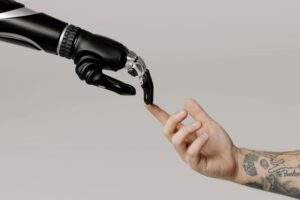

Artificial Intelligence (AI) is no longer just a concept from science fiction — it is becoming one of the most important technologies shaping the future of work. From healthcare and cybersecurity to marketing and software development, businesses are using AI tools to improve efficiency, solve problems, and create new opportunities.
For beginners, getting started with AI can feel overwhelming. With so many tools, terms, and technologies available, many people wonder: Where do I begin?
The good news is you do not need to be a programmer or a technology expert to start learning AI. Understanding the basics and developing practical skills can help you prepare for the growing number of careers that use artificial intelligence.
What Is Artificial Intelligence?
Artificial Intelligence refers to computer systems that can perform tasks that typically require human intelligence. These tasks include learning from information, recognizing patterns, understanding language, making decisions, and generating content.
Examples of AI you may already use include:
- Voice assistants like Siri and Alexa
- Recommendation systems on streaming platforms
- Chatbots for customer service
- AI-powered writing and design tools
- Medical technology that helps analyze patient information
AI is already part of everyday life — and its impact in the workplace continues to grow.
Step 1: Learn the Basics of AI
Before diving into advanced technology, start by understanding the foundations of AI.
Beginner topics to explore include:
- What is machine learning?
- How does generative AI work?
- What are large language models?
- How businesses use AI
- The importance of ethical AI practices
Building a strong foundation will help you understand how AI tools work and how they can be applied in real-world situations.
Step 2: Start Using AI Tools
One of the best ways to learn AI is by using it.
Begin experimenting with beginner-friendly AI tools that can help you:
- Generate ideas
- Summarize information
- Create content
- Analyze data
- Improve productivity
- Automate repetitive tasks
Learning how to communicate effectively with AI tools, also known as prompt engineering, is becoming an increasingly valuable skill for many careers.
Step 3: Develop Practical AI Skills
Employers are looking for professionals who can use AI to solve problems and improve workflows.
Some valuable AI skills include:
AI Prompting
Knowing how to create clear and effective instructions for AI systems can help you get better results.
Data Understanding
AI relies on data. Learning how to organize, analyze, and interpret information is an important skill.
Automation
AI can help businesses automate repetitive tasks, saving time and increasing efficiency.
Critical Thinking
AI tools are powerful, but people are still needed to evaluate results, make decisions, and apply creativity.
Step 4: Explore How AI Is Used in Different Careers
AI is creating opportunities across many industries.
Healthcare
AI helps healthcare professionals analyze information, improve patient care, and manage administrative tasks.
Digital Marketing
Marketing professionals use AI for content creation, customer insights, campaign planning, and analytics.
Information Technology
IT professionals use AI for cybersecurity, troubleshooting, software development, and system management.
Business
Companies use AI to improve operations, customer service, and decision-making.
Understanding how AI connects with your career goals can help you choose the right skills to develop.
Step 5: Keep Learning and Growing
AI is constantly evolving, which means continuous learning is important. New tools and applications are introduced regularly, creating opportunities for professionals who stay updated.
Start small, practice consistently, and focus on learning how AI can help you become more productive and valuable in the workplace.
Start Your AI Journey With DSDT College
Artificial Intelligence is changing the way we work, and learning how to use AI can help you prepare for the future.
At DSDT College, students can develop technology skills through career-focused programs designed to prepare them for today’s workforce. Whether you are interested in AI, technology, digital marketing, or healthcare, gaining practical skills can help you take the next step toward your career goals.
The future of work is changing — and learning AI is a great place to start.