

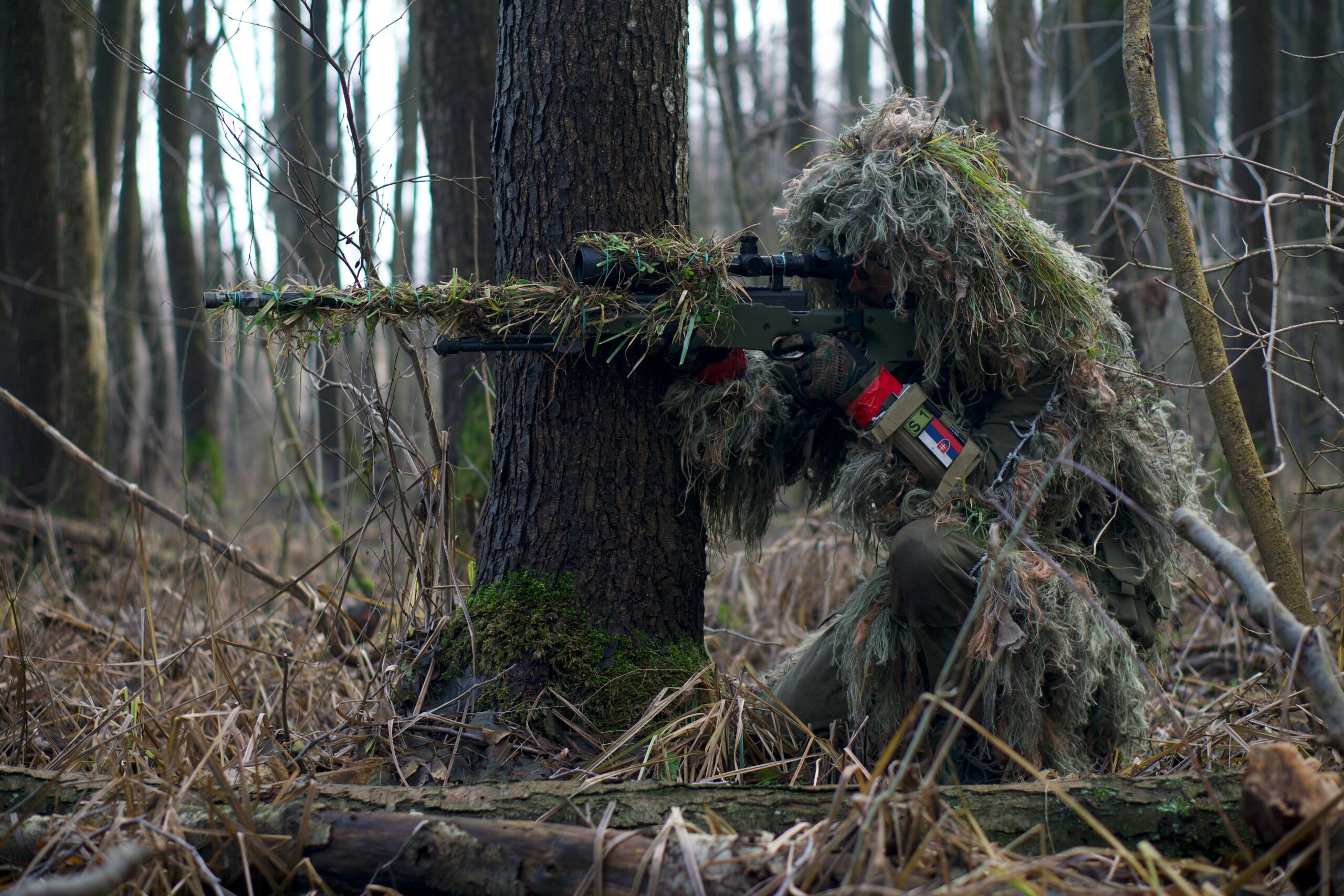
Military training has long been synonymous with discipline, endurance, and leadership. But over the decades, what began as a rigid focus on physical combat and basic weaponry has evolved into a sophisticated system that integrates advanced technology, digital defense, and strategic leadership development. Today’s military training programs prepare service members for challenges on and off the battlefield—both physical and virtual.
This article explores how military education has progressed, from traditional military boot camp training programs to cutting-edge cyber defense instruction, and why these transformations matter for the future of national security and civilian workforce readiness.
A Brief History of Military Training in the United States
The Early Days: Drill and Discipline
In the 18th and 19th centuries, military instruction focused primarily on drilling, marching, musketry, and discipline. The purpose was simple—prepare soldiers for organized combat. There was little room for intellectual development or specialized skills beyond weapon use.
The 20th Century: World Wars and Formal Schooling
During the world wars, the military began forming specialized military school programs and academies to produce skilled officers, pilots, radio operators, and more. The idea of a structured school military program took root, developing into comprehensive systems that educated soldiers beyond just physical readiness.
The Rise of Structured Military Schooling Programs
With the establishment of service academies like West Point and the Naval Academy, military education began to gain academic credibility. These institutions offered rigorous programs combining military tactics with leadership, engineering, and strategy. This marked the start of a more holistic military schooling program model—blending academic learning with combat readiness.
Eventually, military officer training programs became a cornerstone of military education, designed to produce well-rounded leaders capable of making complex decisions in high-stakes environments.
The Modern Military Boot Camp
Boot camp remains the entry point for nearly every enlisted service member. However, today’s military boot camp training programs are much more than obstacle courses and shouting drill sergeants. They include:
- Mental toughness training
- Ethics and decision-making workshops
- Basic cybersecurity awareness
- Leadership introduction courses
- First aid and battlefield response
These comprehensive programs prepare recruits not only for battlefield survival but also for potential civilian roles in security, logistics, and leadership.
Specialized Training Programs for Modern Military Needs
As warfare becomes more complex, the military has expanded its educational infrastructure to include training in:
- Cybersecurity and digital warfare
- Unmanned aerial systems (UAS)
- Advanced medical technologies
- Foreign languages and cultural awareness
- Artificial Intelligence (AI) systems
These offerings are part of the larger ecosystem of us military training programs that focus on emerging global threats and strategic advantages.
For those interested in leveraging military benefits for training, this military training program outlines financial aid options and career-aligned education tracks designed to support both active-duty members and veterans.
The Birth of Cyber Defense in Military Education
The 21st century ushered in a new battlefield—cyberspace. Cyberattacks can now paralyze national infrastructure, disrupt communication lines, and expose sensitive information. As a result, cyber defense has become a top priority in military education.
Cyber Training Modules Now Include:
- Network security protocols
- Threat detection and prevention
- Digital forensics
- Secure communication strategies
- AI in threat analysis
Cyber roles are now common in many training programs for military personnel. The demand for these skills continues to grow as technology evolves and adversaries become more sophisticated.
What Makes the Best Military Training Program?
The best military training program is one that adapts to current threats, balances physical and intellectual development, and equips service members for both military and civilian success.
Key components often include:
- Foundational leadership skills
- Specialized technical training
- Academic instruction
- Civilian certification compatibility
- Financial and transition support
Programs that excel in these areas often partner with civilian education institutions and support services like the military training assistance program to enhance accessibility and long-term career planning.
Military Training Assistance Program: Expanding Educational Access
The military training assistance program is a federal initiative that provides active-duty service members with tuition support, credentialing assistance, and pathways to advanced training. It enables military students to:
- Enroll in technical and academic programs
- Gain civilian-recognized certifications
- Transition more easily into post-service careers
Institutions like DSDT College accept military benefits and offer flexible, career-focused courses tailored to military students. Contact us today to speak with a training advisor about your next steps.
Military Officer Training Programs: Preparing Leaders
Military officer training programs are responsible for producing the next generation of commanders, strategists, and unit leaders. These programs cover:
- Military law and ethics
- Advanced tactics and logistics
- Strategic thinking
- Personnel and resource management
Graduates of officer programs often find themselves in high-ranking positions within the military and, later, in civilian executive or government roles.
The Civilian Value of Military School Programs
Skills learned in military school programs translate exceptionally well into civilian industries. From logistics and IT to healthcare and cybersecurity, veterans with specialized training often outpace their civilian counterparts in terms of readiness and discipline.
In-demand civilian fields for veterans include:
- Cybersecurity and IT
- Engineering
- Aviation
- Healthcare
- Supply Chain and Logistics
- Public Administration
- Business Operations
Military training isn’t just about combat—it’s about producing capable, mission-ready individuals for any challenge.
The Role of Technology in Modern Training
The integration of virtual reality (VR), simulation software, and AI-powered assessment tools has revolutionized military education. Today’s service members train in hyper-realistic environments that simulate real-world scenarios in:
- Urban warfare
- Cyber intrusions
- Medical emergencies
- Foreign language environments
This ensures they are prepared to act decisively, both in combat and in critical civilian job functions.
US Military Training Programs and Global Impact
The United States operates some of the most comprehensive and technologically advanced us military training programs in the world. These programs not only prepare American troops but also provide education and training to allied nations, strengthening global security partnerships.
Challenges and Opportunities in Modern Military Training
While the evolution of military training has yielded impressive results, it still faces challenges such as:
- Keeping up with fast-changing technology
- Bridging the civilian-military knowledge gap
- Ensuring equitable access to training opportunities
- Adapting to mental health and wellness needs
That said, the opportunities for growth are immense. Programs that partner with civilian educators, like DSDT, can expand accessibility, provide holistic development, and support transitions into rewarding post-military careers.
Real Stories: Training That Transformed Lives
Elijah – From Infantry to Cybersecurity Expert
Elijah entered the military through a military boot camp training program, eventually transitioning to a cybersecurity track. With the help of a military training assistance program, he earned his Security+ certification and now works in a major financial firm’s threat detection unit.
Jasmine – Officer to Government Policy Advisor
After graduating from a military officer training program, Jasmine served for 10 years in logistics and personnel management. She now uses that experience to shape hiring and veteran transition policy in a federal agency.
What’s Next: The Future of Military Training
The next decade will likely see further integration of:
- AI and machine learning
- Remote and hybrid training formats
- Cross-sector certifications
- Mental health resilience programs
Education will continue shifting toward lifelong learning, enabling service members to evolve with the times. If you’re looking to advance your education or build a career-aligned training path, check out this military training program offered through DSDT.
Frequently Asked Questions
What is the purpose of modern military training programs?
Today’s military training programs prepare service members for a wide range of tasks beyond combat—such as cybersecurity, logistics, and leadership—making them valuable assets in both military and civilian sectors.
Can I use my military benefits to pay for civilian certifications?
Yes. Programs like the military training assistance program allow eligible service members and veterans to fund accredited training and certification programs.
Are there online training programs for military students?
Absolutely. Many training programs for military personnel are now offered online or in hybrid formats, making education accessible to those on active duty, deployed, or transitioning.
Conclusion: From Boot Camp to Cyber Defense, Military Training Keeps Evolving
Military training has come a long way from simple drills and battlefield instruction. It now includes a dynamic blend of physical training, leadership development, advanced technology, and career-aligned certifications. Whether you’re entering through a school military program, progressing through military officer training programs, or transitioning into a civilian role, the value of this evolution is clear.
The modern service member is no longer just a soldier—they are a technician, leader, strategist, and innovator. With access to programs like the military training program at DSDT and veteran-friendly education tracks, your path from boot camp to cybersecurity—and beyond—is more achievable than ever.
Ready to take the next step? Contact us today to explore your training options.