
Lights, Camera, Action: A Day in the Life at DSDT’s Filmmaking Camp

Summer isn’t just for sunshine and swimming anymore. At the heart of Detroit’s creative revolution lies a tech-powered opportunity for aspiring teen storytellers: the Filmmaking Track at DSDT’s Tech Summer Camp. Set in a collaborative, fast-paced, and fun learning environment, this program gives students hands-on training in scriptwriting, camera operation, editing, and production—skills that many don’t learn until college. If you’ve ever wondered what it’s like behind the scenes of a short film or what goes into producing a story for the screen, this is the camp for you. This article takes you through a typical day at DSDT’s filmmaking camp, part of one of the best summer camps in Detroit, and offers a glimpse into how creativity meets cutting-edge technology. Ready? Lights. Camera. Action. Apply now to reserve your seat. 8:30 AM – Arrival & Morning Huddle The day begins early at DSDT’s Tech Summer Camp, nestled in the heart of Detroit. Students file into the welcoming space, greeted by upbeat music, high-fives, and the buzzing energy of creativity. Campers from across the metro area—and even some from surrounding states—join the filmmaking track, one of several options offered at the Tech Summer Camp in Detroit. Others are diving into podcasting and game design, but our future filmmakers head straight for their classroom-turned-production studio. Morning huddle highlights include: By 9:00 AM, the team is briefed, caffeinated (with hot chocolate and juice), and ready to roll. 9:00 AM – Storyboarding & Pre-Production The magic of cinema starts long before the first shot is captured. Each group begins their day by reviewing or creating their storyboards and scripts. Guided by experienced instructors (some of whom are working professionals in film and media), students work in small teams to refine their ideas. They explore questions like: This time is also used to assign roles—directors, cinematographers, actors, editors, and sound designers—so that every camper experiences both leadership and collaboration. As one of the few summer camps in Detroit Michigan to focus specifically on digital media and film, DSDT offers a structured yet creative platform for young minds to flourish. 10:30 AM – Lights On: Shooting Time Once storyboards are complete, the lights go up and the cameras start rolling. Students move into various indoor and outdoor filming zones set up across the campus. Whether they’re filming a dramatic monologue in a studio or a chase scene outside, this is where technical training meets real-world execution. What Campers Learn During This Session: Mentors provide real-time feedback, helping students adjust lenses, change framing, or modify scenes when needed. Everyone works together to bring their creative vision to life. 12:00 PM – Lunch Break & Inspiration Hour By noon, everyone needs a recharge. Campers gather in the DSDT commons for a hearty lunch—provided onsite—and some much-needed downtime. This is also a time for bonding, sharing jokes, and swapping stories about morning shoots. But it’s not all chill: Inspiration Hour during lunch features: These sessions deepen the campers’ understanding of the film industry while keeping the mood light and inspiring. 1:00 PM – Post-Production: The Art of Editing After lunch, it’s time to dive into post-production—the often-overlooked phase where the real magic happens. Students transition to powerful editing software, such as Adobe Premiere Pro or DaVinci Resolve. Guided by instructors, they learn to: These editing labs are where creativity and patience are tested—but they’re also where students light up as they see their ideas turn into real, polished short films. As a tech-based summer camp in Detroit, DSDT provides students with access to tools used by professionals. 2:30 PM – Peer Review & Group Feedback Once a first cut is ready, students gather in mini workshops to show their projects and receive constructive feedback from peers and mentors. This collaborative review process helps them: This type of peer learning environment is essential to fostering not just technical skill, but emotional intelligence and leadership. 3:15 PM – Wrap-Up, Reflection & Tomorrow’s Preview The day ends with a group reflection. Students write quick entries in their camp journals: They also receive a sneak peek at the next day’s filming or editing challenge—keeping the momentum and excitement high. By 3:30 PM, pickup begins, and campers leave tired but thrilled—buzzing with ideas and pride in what they’ve accomplished. Why DSDT’s Filmmaking Camp Stands Out There are many summer camps in Detroit, but few offer the immersive, skill-building experience that DSDT’s Tech Summer Camp does. Here’s What Makes It Unique: Explore more or sign up here. Real Voices: What Past Campers Say “Before this camp, I had never touched a camera. Now, I know how to edit a scene and even wrote my first script!” – Amaya, age 14 “I made friends who love film like I do. It made me want to be a director one day.” – Marcus, age 16 “I was nervous at first, but the instructors were so helpful. I actually want to come back next year.” – Julian, age 15 Their stories highlight the transformation that takes place in just two weeks—proof that when students are given the tools and support to create, they thrive. How to Join the Next Session Interested in joining one of the most inspiring summer camps in Detroit? Here’s what to do: 🔗 Step 1: Visit the Camp Page Get full details on camp dates (August 4–15, 2025), what to bring, and what to expect. 📝 Step 2: Apply Online Spots are limited, and they fill up fast—especially the filmmaking track. 💬 Step 3: Contact Us Still have questions? Reach out to the DSDT team for help with registration, payment plans, or group discounts. Final Take: More Than Just a Summer Camp DSDT’s Filmmaking Camp isn’t just a place to learn camera angles—it’s a place to find your voice. In a city known for resilience and innovation, students leave this camp not only with new technical skills but also with confidence, teamwork experience, and a finished film project they can be proud of. So if you’re looking for a summer camp in
Special Forces Training: What It Takes to Join the Elite
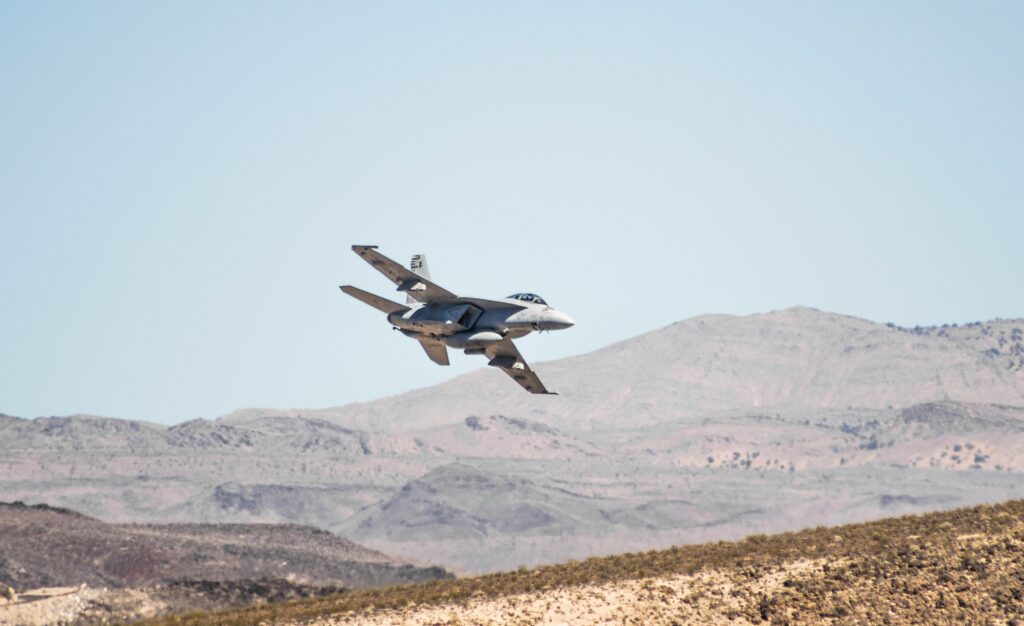
Joining a special forces unit in the U.S. military is one of the most demanding and prestigious paths a service member can take. These elite warriors are called upon for missions that require physical stamina, mental sharpness, and tactical superiority. From Navy SEALs to Army Green Berets, special forces units are made up of individuals who have passed the most intense military training programs in existence. For those aspiring to serve their country at the highest level, understanding the rigorous path to becoming part of special forces begins with the right foundation. This foundation often starts with a school military program, proceeds through military school programs, and extends into some of the best military training programs available today. Understanding Special Forces and Their Role Special forces operate behind enemy lines, engage in counterterrorism, conduct reconnaissance, and carry out hostage rescues, among other missions. Their effectiveness hinges on rigorous selection and training. Unlike conventional units, these elite warriors undergo years of specialized preparation, often beginning in their teens through military schooling programs or cadet academies. The Initial Steps: Foundation Through Military Schooling Becoming eligible for special forces training doesn’t start in the selection phase—it begins with early commitment. Many future special forces candidates come from military school programs, which are structured to instill discipline, leadership, and foundational combat knowledge. Why Choose a Military Schooling Program? Enrolling in a military schooling program ensures that students gain early exposure to the values and challenges of military life. These schools serve as pipelines to service academies or direct enlistment into the armed forces. From Civilian to Soldier: Military Boot Camp Training Programs Once enlisted, all recruits undergo basic training. The military boot camp training program is the gateway to military life. Although not exclusive to special forces hopefuls, excelling in boot camp is a strong indicator of a recruit’s potential. What to Expect in Boot Camp Only the most physically and mentally resilient individuals make it through with top evaluations—an essential step before attempting special forces selection. Advanced Training: Military Officer Training Programs For those seeking leadership positions in special forces, completing military officer training programs is key. Officer candidates must not only be physically fit but also exhibit strategic thinking, moral integrity, and decision-making under stress. Paths to Officer Training Many elite units prefer officers who’ve proven themselves in training programs for military leadership. These paths are competitive, often involving rigorous academics and military immersion. Special Forces Selection: The True Test After establishing themselves in the regular military, soldiers can apply to special forces units. Here’s where the true challenge begins. What Makes Special Forces Selection So Tough? Each branch has its own selection criteria: These programs are among the most difficult US military training programs in existence, with high attrition rates and zero tolerance for mediocrity. Ongoing Development: Military Training Programs That Never End Even after selection, special forces operators continue training for years. Their education never stops. Specialized Training Includes: Each soldier’s skillset is refined through continuous participation in the best military training programs available. Operators often become experts in multiple combat disciplines, foreign languages, and intelligence operations. The Role of a Military Training Assistance Program The government and military institutions often support servicemembers through financial and logistical support. A military training assistance program can help offset the cost of advanced schooling, certifications, and even civilian education relevant to special forces operations. For example, transitioning service members can receive funding for private tactical schools, cybersecurity training, or language immersion courses—all of which enhance their operational readiness. To learn more about the benefits and options available through a military training program, visit this resource. Life in the Elite: After Special Forces Training Earning the coveted Green Beret, SEAL Trident, or special tactics beret is only the beginning. Special forces life is both rewarding and demanding: Perks of Serving in Special Forces: Challenges: These soldiers are often first in and last out. Their training keeps them razor-sharp in even the most hostile environments. Transitioning to Civilian Life: A New Chapter Eventually, all service members retire or separate from the military. Special forces veterans are highly sought after in the civilian sector due to their discipline, problem-solving abilities, and leadership experience. Popular Civilian Roles for Special Forces Veterans: With the right education and certifications, these veterans thrive post-service. Enrolling in an advanced training program for military personnel during service can smooth this transition and set them up for long-term success. Training Never Stops: Education for Active and Retired Personnel Institutions like DSDT College offer modern military training programs that cater to active duty, veterans, and even those preparing to enlist. Whether you’re looking for cybersecurity training, digital marketing certifications, or full stack development, DSDT can be a bridge between service and career. These programs are often eligible for GI Bill® benefits and support from military training assistance programs, making them accessible for service members with varying financial backgrounds. If you’re interested in continuing your education and taking the next step in your military or post-military career, contact us today. Conclusion: The Path to Elite Status Begins with Preparation Becoming a special forces operator is not just a dream—it’s a commitment to excellence. From early preparation through military school programs to surviving brutal special forces selections, these warriors prove their mettle daily. If you’re considering this honorable path, begin by strengthening your foundation through a quality military schooling program or educational track like the ones at DSDT College. It takes more than strength; it takes resilience, education, and continuous self-improvement. Explore your options today through a reputable military training program and set your sights on the elite.
How to Use Tuition Assistance for Advanced Military Training

In today’s fast-changing world, staying ahead with the right education is more important than ever—especially for military personnel and veterans. Advanced training and education don’t just boost career opportunities; they prepare service members for leadership and success both in and out of uniform. One of the most effective tools available to achieve this is Tuition Assistance (TA). Whether you’re currently serving, transitioning, or planning ahead, understanding how to use tuition assistance for an advanced military training program can unlock tremendous value. From school military programs and military school programs to the best military training programs and military officer training programs, TA can help fund your path forward. This article will break down what tuition assistance is, how it works, and how you can apply it toward your career-focused education, including at military-friendly institutions like DSDT College. What Is Military Tuition Assistance? Tuition Assistance is a benefit provided by each branch of the U.S. Armed Forces to cover the cost of education and professional training. The Department of Defense (DoD) offers active-duty service members the opportunity to take college courses, certifications, and other educational programs at little to no out-of-pocket cost. Who Is Eligible? Eligibility varies slightly by branch, but generally includes: TA is available for a wide variety of military training programs, including technical diplomas, certifications, and military schooling programs offered at accredited institutions. How Much Does Tuition Assistance Cover? Most military branches provide the following standard coverage: This funding can significantly reduce or eliminate out-of-pocket costs when combined with other benefits such as the GI Bill®, FAFSA, scholarships, or military grants. Some programs and institutions, like DSDT, even help students bundle tuition assistance with additional military benefits through their military training program. Types of Military Schooling Programs Covered by TA Tuition Assistance can be used to cover a wide range of education types, including: 1. College Degrees 2. Certificates & Diplomas These offerings fall under structured military school programs that help prepare students for both military and civilian careers. 3. Non-Traditional Programs Many military schooling programs also include accelerated bootcamps or certifications that help build job-ready skills in a short amount of time. These include: Programs such as these are available at military-supportive institutions like DSDT College. Choosing the Best Military Training Program Choosing the best military training program depends on your goals, current rank, desired career, and time commitment. Here’s what to look for: DSDT College offers a wide array of us military training programs that align perfectly with these needs, from healthcare to IT and beyond. Using TA for Military Boot Camp Training Programs You may associate boot camp with initial military training, but TA can also help you enroll in career-focused military boot camp training programs designed for skill-building and certification. Examples of TA-eligible boot camp programs: These training programs for military personnel are fast, intensive, and perfect for transitioning to high-demand civilian jobs. Many such programs are offered by institutions like DSDT that cater specifically to the military community. Military Officer Training Programs and TA For those aiming to move into leadership, military officer training programs are a natural next step. TA can be used toward degree completion and officer training prerequisites such as: TA helps cover foundational college coursework needed for advancement into these roles. Some schools even offer dual programs that pair officer prep with certifications in leadership, cybersecurity, or business. Combining Tuition Assistance with Other Benefits Many students make the mistake of using their GI Bill® before exploring TA options. By leveraging Tuition Assistance first, you can reserve GI Bill® benefits for more expensive programs or graduate school later. Other financial resources to consider: TA is considered a “first payer,” meaning it kicks in before GI Bill® funds are applied. By combining TA and other aid sources, you can pursue even the most comprehensive military training assistance program without incurring debt. Step-by-Step Guide: How to Use Tuition Assistance Step 1: Speak with Your Education Office Before enrolling, talk to your base or branch education service officer (ESO). They will guide you through the application process and discuss your goals. Step 2: Choose a TA-Approved Program Find a program that is listed as eligible under the DoD Memorandum of Understanding (MOU). DSDT College is an approved provider of TA-eligible training. Step 3: Apply for Tuition Assistance Online Each military branch uses a different system: Step 4: Enroll in Your Program After TA approval, enroll in the course and notify the institution. Schools like DSDT work directly with the VA and DoD to ensure smooth processing. Step 5: Submit Grades & Maintain Eligibility TA requires satisfactory academic progress (usually a “C” or better for undergraduate and “B” or better for graduate courses). Ensure your grades are submitted on time. Advanced Military Training Areas Supported by TA Advanced military training programs allow you to specialize and transition to careers in: 1. Cybersecurity 2. Software Development 3. Data Science and AI 4. Healthcare All of these fields are covered under us military training programs approved by the Department of Defense and GI Bill® authorities. Why Choose a Military-Friendly School? Not every institution understands the needs of military students. The best results come from colleges and training centers that provide: DSDT College excels in this area by offering career-driven programs with flexible online and hybrid formats that align with service life. Learn more about DSDT’s military training program today. Using Tuition Assistance After Active Duty TA isn’t just for those currently serving. Veterans can use alternative benefits to continue advanced military training after discharge. Programs like the Post-9/11 GI Bill®, Veteran Readiness and Employment (Chapter 31), and state veteran grants can fund training at GI Bill®-approved schools. For example, a transitioning soldier can move from active duty TA-supported education directly into a veteran-funded training program at DSDT, continuing their path to a new career without pause. Training Program for Military Families Military spouses and dependents can also access education funding through: These programs empower the entire family to pursue education, certifications, and career upgrades—often in tandem
GI Bill® Benefits and Military Training: What You Need to Know

Military service offers more than duty and discipline—it also provides educational and career opportunities. Among the most powerful tools available to veterans, service members, and eligible dependents is the GI Bill®. This bill can transform your transition from military to civilian life by funding education and military training programs that prepare you for future success. If you’re planning to enroll in a school military program, or are curious about how the GI Bill® supports military school programs, this guide will help you navigate your options. Whether you’re entering a military boot camp training program, an advanced military officer training program, or any training program for military, understanding how the GI Bill® works is crucial to making informed decisions. What Is the GI Bill®? The GI Bill®, originally introduced in 1944, has evolved into a comprehensive set of education benefits designed to help active-duty service members, veterans, and their families access higher education, vocational training, and certifications. There are several variations of the GI Bill®, including: Each version provides funding for different types of military schooling programs, including technical schools, online degrees, and military officer training programs. How the GI Bill® Supports Military Training Programs The GI Bill is not just for traditional colleges—it also supports a broad range of military training programs, helping service members advance their careers in and out of uniform. 1. Technical and Vocational Training Whether you’re training to be a network technician, welder, or mechanic, the GI Bill® can fund programs at approved technical and vocational schools. 2. Non-College Degree Programs (NCDs) These include certification programs in IT, cybersecurity, healthcare, and more. Many of these are found in school military programs tailored for active-duty or transitioning personnel. 3. Apprenticeships and On-the-Job Training Want to earn while you learn? The GI Bill® supports apprenticeships in the skilled trades and industry roles—perfect for hands-on learners. 4. Flight Training and Licensing If your career goal is aviation-related, your GI Bill® can cover approved flight training at schools with FAA certification. Choosing the Best Military Training Program The GI Bill® opens doors to a wide array of military training programs, but choosing the best fit depends on your goals. Best Military Training Program Features: One such institution that ticks all these boxes is DSDT College, a top provider of military-friendly training programs that maximize GI Bill® benefits. How Military Schooling Programs Work Military school programs are structured to meet both the educational standards of civilian institutions and the rigor expected by military institutions. These programs can lead to: DSDT offers specialized military schooling programs in IT, cybersecurity, digital marketing, and more—designed with military culture and discipline in mind. Military Boot Camp Training Programs Not every GI Bill®-supported program takes place in a classroom. Some begin with military boot camp training programs, which provide physical, mental, and leadership development for service members entering specialized fields. What’s Included in Boot Camp Training Programs? Boot camp programs often serve as the gateway to advanced military training or officer training programs. Military Officer Training Programs If you aspire to lead, military officer training programs are available across all branches of service and are often supported by GI Bill® benefits. These programs offer specialized instruction in: Some institutions also combine military officer coursework with a degree, giving you dual credentials recognized by both the military and civilian sectors. Types of U.S. Military Training Programs The U.S. offers one of the most comprehensive and diverse sets of military training options in the world. Here are several categories of U.S. military training programs eligible for GI Bill® funding: 1. Basic Combat Training (BCT) 2. Advanced Individual Training (AIT) 3. Officer Candidate School (OCS) 4. Defense Language Institute (DLI) 5. Cybersecurity & IT Bootcamps Military Training Assistance Programs In addition to the GI Bill®, military training assistance programs provide additional funding and support mechanisms, such as: These programs can often be used alongside GI Bill® benefits, making education and training more accessible than ever. How to Maximize Your GI Bill® for Military Training If you’re planning to enroll in a training program for military personnel, consider these strategies to make the most of your GI Bill® benefits: 1. Choose an Approved Institution Not every school qualifies. Ensure your program is GI Bill®-approved. You can verify this through the VA’s WEAMS database. 2. Bundle Your Benefits Many veterans combine GI Bill® funding with Tuition Assistance, FAFSA grants, and scholarships. Schools like DSDT assist students in maximizing every available dollar. 3. Utilize Career Counseling DSDT and other military-focused schools often provide career coaching to help align your training with real job market needs. 4. Get Credit for Your Military Experience Your MOS, deployments, and other service experience may translate into academic credit—saving time and money. The Role of DSDT in Supporting Military Students DSDT College stands out as a top-tier destination for military students looking for flexible, career-focused training. DSDT offers: With a commitment to helping military families succeed, DSDT offers resources specifically tailored to active-duty members, veterans, and spouses. Learn more about how DSDT’s military training program can help you launch your next mission in the civilian workforce. What Careers Can GI Bill®-Funded Military Training Lead To? Military training doesn’t just prepare you for service—it prepares you for life. Programs supported by the GI Bill® can launch careers in: These are high-demand, high-growth fields that value the skills veterans bring—discipline, leadership, and technical acumen. How to Get Started with the GI Bill® If you’re ready to turn your military training into a civilian career path, here are the steps: 1. Determine Your Eligibility Visit VA.gov to check which GI Bill® benefits you qualify for. 2. Choose a Program Select a military-friendly school like DSDT that offers your desired training and supports GI Bill® benefits. 3. Apply for Your GI Bill® You can apply online at the VA’s website or get help from the school’s veteran affairs office. 4. Submit School Applications Once your benefits are in place, contact us today to apply to a GI Bill®-eligible program at
How Military Training Strengthens Your Resume for Civilian Jobs
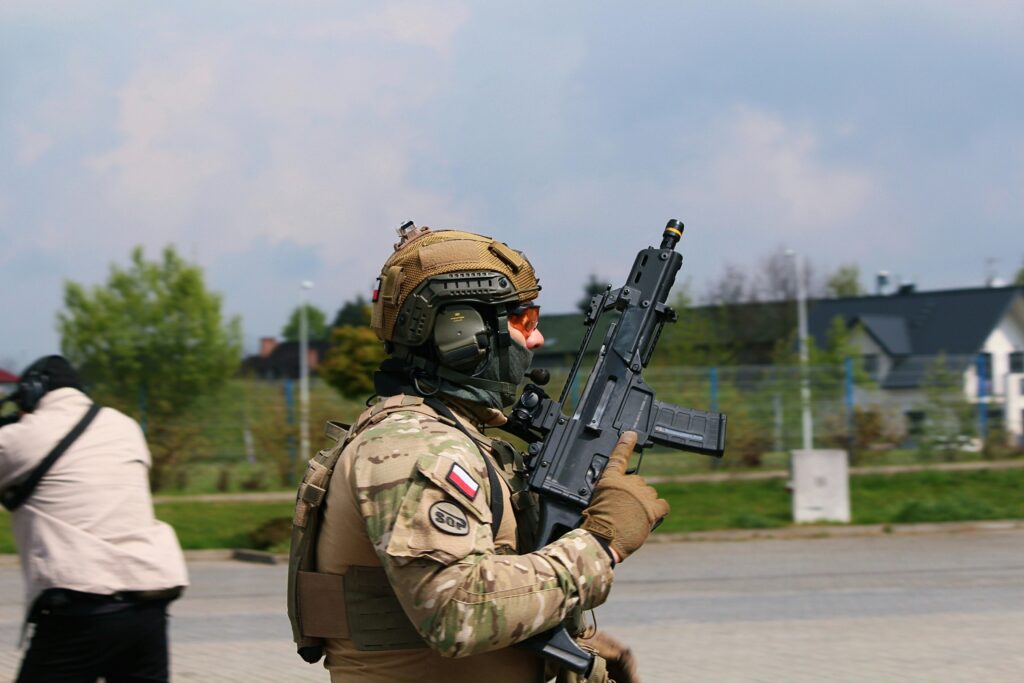
Transitioning from military life to a civilian career can be a challenging journey—but it doesn’t have to be. Veterans often underestimate the immense value their military training brings to the civilian workforce. Whether you’ve completed a military boot camp training program, earned leadership credentials through military officer training programs, or completed any number of specialized military training programs, your resume likely contains more relevant experience than you think. This guide explores how your military background enhances your resume, how to communicate those skills to employers, and how a military training program can bridge the gap between military experience and civilian success. Why Employers Value Military Experience Employers across a wide range of industries—from healthcare and IT to logistics and leadership—consistently recognize the value that veterans bring to the workforce. Here are just a few qualities that military training instills: These are not just soft skills—they’re in-demand, measurable assets. When paired with the right civilian certifications or credentials through a school military program, veterans become highly competitive candidates. Translating Military Skills into Civilian Language One of the biggest barriers veterans face is translating their military accomplishments into terms civilian employers understand. For instance: Programs like the military training assistance program offered by institutions like DSDT can help you reframe your resume with guidance from career advisors who understand both military and civilian contexts. Military Schooling: More Than Basic Training Not all military training is physical or combat-focused. Many service members go through specialized military schooling programs that equip them with technical expertise in areas like: When these experiences are combined with civilian certifications or an associate degree from a school military program, your resume becomes a powerful tool for job advancement. Key Resume-Enhancing Benefits from Military Training Let’s explore how specific aspects of military training can elevate your resume and job prospects. 1. Leadership and Management Skills Whether you were an NCO or an officer, military roles demand leadership. Civilian employers are always looking for candidates who: Completing military officer training programs adds even more authority to your resume in this area, making you a strong fit for management roles in nearly any industry. 2. Technical Training and Certifications Many veterans leave the military with advanced training in: Adding a recognized certification through a training program for military members—such as CompTIA A+, Security+, or AWS—can validate your skills to civilian employers. 3. Discipline and Reliability Veterans are known for showing up on time, following through, and working diligently—traits often lacking in civilian candidates. Highlighting these attributes on your resume makes a strong impression. Matching Military Training to In-Demand Civilian Careers The U.S. job market is hungry for the exact kinds of skills military personnel already have. A well-matched military training program can help connect the dots. ● Cybersecurity and IT Military personnel often receive security clearance and training in high-tech environments. A transition to cybersecurity or IT is seamless with the help of us military training programs like: DSDT’s military training program is designed to help veterans gain the civilian credentials needed to land high-paying jobs in these fields. ● Healthcare and Medical Support From combat medics to field nurses, many veterans already have real-world medical experience. With a short-term military schooling program, you can easily transition into: These roles are in demand nationwide and offer a quick pathway to civilian employment. ● Logistics and Operations Did you coordinate missions, track supplies, or manage personnel? Employers are looking for operations managers, project coordinators, and supply chain specialists who can execute under pressure. Your experience fits perfectly. The Value of Civilian-Friendly Credentials Civilian employers often look for recognizable degrees or certifications. That’s why pairing your military background with a school military program or accredited certificate gives you the best of both worlds. Popular Civilian-Friendly Certifications: Many of these can be earned through a military training assistance program, sometimes at no cost to the veteran. Resume Tips for Veterans: How to Stand Out To effectively present your military experience, here are a few strategies: ✅ Translate Your Titles and Roles Avoid acronyms and military-specific jargon. Use titles and terms that align with civilian job descriptions. ✅ Focus on Achievements Use quantifiable metrics. For example:“Led a team of 12 personnel through a logistics mission with 98% delivery accuracy.” ✅ Add a Certifications or Education Section List your participation in any military school programs or credentialing efforts, especially those that bridge into civilian fields. ✅ Include a Summary Start your resume with a short paragraph that summarizes your military background and career objectives. Military Boot Camp: Building Blocks of Workforce Success While it’s often seen as a rite of passage, military boot camp training programs also instill valuable civilian job traits, such as: Civilian employers, especially in fields like construction, emergency services, and law enforcement, highly value these traits. Add them to your resume under “Core Competencies” or “Professional Strengths.” From Boots to Books: School Military Program Options Veterans seeking to validate or expand their military skills can enroll in school military programs like those offered by DSDT. These are tailored to the needs of service members and cover areas including: These programs are designed with flexible schedules and are approved for VA and military education benefits. 👉 Contact us today to get started with a program that works for your background and goals. Choosing the Best Military Training Program There’s no one-size-fits-all when it comes to career advancement. Choosing the best military training program depends on your experience, interests, and career goals. Consider the following: Institutions like DSDT offer comprehensive support, from education to employment. Top Benefits of Enrolling in a Military-Friendly Civilian Program When veterans enroll in us military training programs built with their transition in mind, they gain access to: These advantages dramatically boost the chances of turning your resume into a job offer. DSDT’s Commitment to Military Members At DSDT, we understand the importance of helping service members transition confidently. Our training programs are approved for: We also offer ongoing mentorship and career services long after you graduate. Visit our
Military Training Programs That Offer College Credits
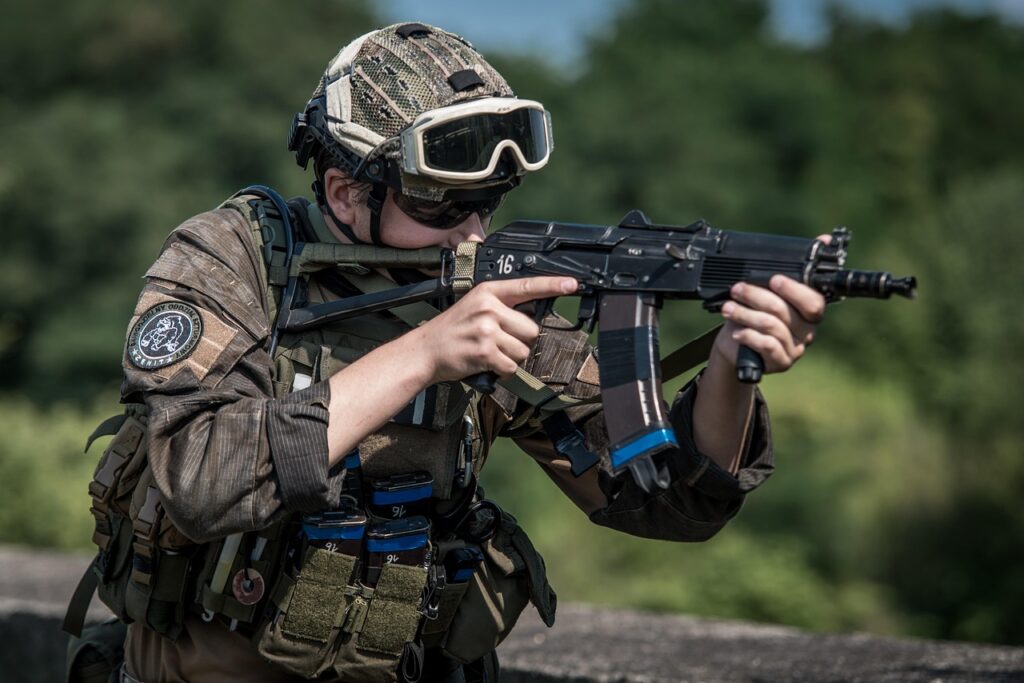
For active-duty service members, veterans, and even reservists, military training is more than just preparation for the battlefield—it’s preparation for life. One of the most significant yet often underutilized benefits of military service is the ability to convert that training into college credits through specialized military training programs. This not only shortens the time it takes to earn a degree, but also saves money, reduces course redundancy, and allows veterans to transition more smoothly into the civilian workforce. In this in-depth guide, we’ll explore how a military training program can help you earn college credits, what kind of training qualifies, the best programs that recognize your military service, and how to take full advantage of your educational benefits. Why College Credits Matter for Military Personnel Earning a degree can be a powerful asset when transitioning to civilian employment. But starting from scratch can be expensive, time-consuming, and repetitive—especially when you’ve already received advanced training in the military. That’s where us military training programs shine. By offering college credit for military training, these programs: Whether you’re pursuing a degree in cybersecurity, healthcare, logistics, or business, your military experience may already count toward your goal. Understanding Military Credit Transfer Systems There are formal systems in place to evaluate and convert military training into college credit: 1. Joint Services Transcript (JST) For members of the Army, Navy, Marine Corps, and Coast Guard, the JST documents your military education, training, and experience. Accredited colleges use JST to assess credit equivalency. 2. Community College of the Air Force (CCAF) The CCAF offers associate degrees specifically to Air Force personnel. Many CCAF courses transfer into civilian colleges, especially those offering a school military program. 3. ACE Credit Recommendations The American Council on Education (ACE) reviews military training and recommends equivalent college credits. Many colleges nationwide honor ACE credits in their military school programs. Types of Military Training That Convert to College Credits Not all military experience qualifies for credit, but the following types of training often do: Programs that include these types of training are often part of broader military training assistance programs that support your academic journey. School Military Programs That Accept Military Credits More colleges are recognizing the value of military training, creating specialized school military programs to attract and support veteran learners. These institutions offer: DSDT College is one such institution, offering accredited programs that honor your military training and help convert it into college-level coursework. Degree Programs That Commonly Accept Military Credits Here are the most common fields where military training programs align well with college degrees: 1. Information Technology & Cybersecurity Military experience in signal operations, network defense, or information assurance often translates to credits in: DSDT’s cybersecurity-focused military schooling program accepts ACE credits and military transcripts, helping veterans fast-track their IT careers. 2. Business & Leadership Leadership and logistical experience gained in the military aligns well with: Military personnel who have completed military officer training programs often qualify for substantial credits in these areas. 3. Healthcare & Allied Health Medics, corpsmen, and other military health professionals can apply training toward degrees or certificates in: Programs like DSDT’s Medical Assistant diploma can shorten duration for military-trained healthcare workers. 4. Engineering & Technical Trades Many technical jobs in the military transfer directly into programs for: If you’ve completed a military boot camp training program or technical school, those hours can often apply toward general education or major-specific credits. The Best Military Training Programs That Offer College Credit Below are some of the best military training program types that translate into academic credit and real-world value. Program Type College Credit Potential Example Civilian Outcome Cybersecurity School 12–18 credit hours Cybersecurity Analyst Business & Logistics 9–15 credit hours Operations Manager Medical Assistant Training 6–12 credit hours (depending on MOS) Certified Medical Assistant (CMA) Electrical & HVAC Training 6–10 credit hours HVAC Technician, Electrician Leadership/Officer Courses Up to 15 credit hours Business Management or Public Admin These can reduce a two-year associate degree to as little as one year, depending on how many credits you’re awarded through a military training assistance program. Understanding Credit Transfer Policies Each college sets its own rules for accepting military credits. Here are a few best practices to ensure your credits are applied properly: ✅ Request Your JST or CCAF Transcript Early Submit your military transcript during the application process. ✅ Work with a Veteran Advisor Colleges with dedicated veteran services (like DSDT) can help evaluate your transcript and map it to degree requirements. ✅ Ask About Maximum Transfer Limits Some schools cap the number of military credits they accept—others allow more generous transfers. ✅ Verify ACE Equivalency If your course is ACE-reviewed, it increases the chance that your credits will be accepted. How to Start Earning College Credit for Military Training Here’s a step-by-step guide to getting started: 👉 Contact us today to speak with a veteran education advisor at DSDT and learn how many credits you may already have earned. Military Training Assistance Programs That Support Your Education There are multiple funding options to help you take advantage of military school programs offering college credit: ● Post-9/11 GI Bill® Covers full tuition, housing, books, and supplies at approved schools. ● Montgomery GI Bill® For active-duty and selected reserve service members. ● Chapter 31 (Veteran Readiness & Employment) Supports disabled veterans in retraining and degree completion. ● Tuition Assistance (TA) For currently serving active-duty members. All of these can be applied to DSDT’s military training program, which includes credit transfer evaluations, degree counseling, and academic support. Additional Benefits of Military College Credit Programs Besides saving time and money, military schooling program pathways come with added benefits: ✅ Accelerated Learning Paths Veterans can complete associate or diploma programs in as little as 6–12 months with applied credits. ✅ Career Readiness Graduates are prepared for roles in cybersecurity, business, and healthcare immediately after graduation. ✅ Veteran-Focused Services Access to career coaching, resume workshops, mental health counseling, and more. Real Stories: Veterans Earning Degrees Faster Many veterans who enrolled at DSDT
Best Military Training Programs for High-Demand Civilian Jobs
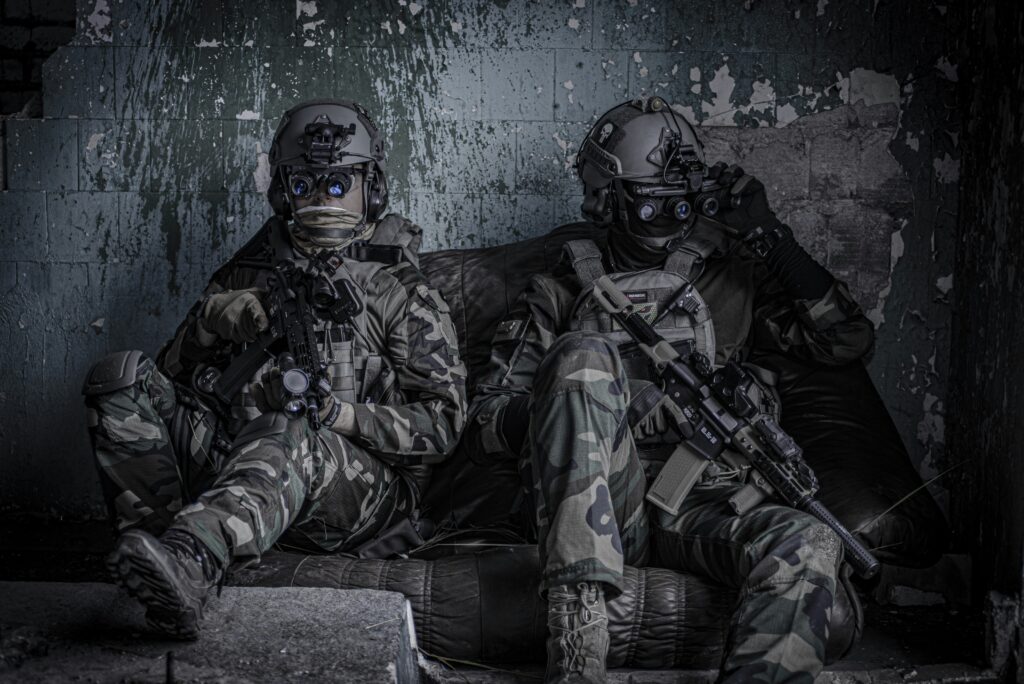
Military training is more than just preparation for combat—it’s a gateway to some of the most in-demand careers in the civilian workforce. From advanced cybersecurity skills to technical certifications in logistics, mechanics, and healthcare, the best military training program equips service members with transferable skills that are highly valued across industries. Whether you’re an active-duty service member planning for the future or a veteran transitioning to civilian life, there are a wealth of military training programs that can give you a competitive edge. In this article, we’ll explore the top military school programs, how they translate to civilian job markets, and where to find support through military training assistance programs. Why Military Training Is Valued in Civilian Careers Employers consistently seek candidates with discipline, leadership, and specialized skills—traits developed and sharpened through school military program experiences. Military personnel bring unmatched commitment, problem-solving abilities, and technical expertise that directly align with high-demand fields such as IT, healthcare, logistics, cybersecurity, aviation, and engineering. When a service member completes a military training program, they often receive credentials or experience that count toward civilian licenses or certifications. This advantage can dramatically reduce the time it takes to start a rewarding career after service. Top High-Demand Civilian Careers from Military Training Let’s break down the top sectors where military schooling program graduates are thriving: 1. Information Technology (IT) and Cybersecurity The Department of Defense (DoD) prioritizes cybersecurity and IT, meaning many service members gain high-level experience managing networks, data, and digital defense systems. Courses in military cyber units are aligned with civilian certifications like: Programs such as the military training program at DSDT College help veterans fast-track into tech roles in cybersecurity, IT support, and network engineering. 2. Healthcare Combat medics and Navy corpsmen receive training similar to paramedics and medical assistants. This military experience is highly transferable into roles such as: Transitioning to civilian healthcare can be seamless with the right military training assistance program, especially when colleges accept military credits toward certification or degrees. 3. Aviation and Aerospace Military schooling in aviation prepares individuals for careers in: The Federal Aviation Administration (FAA) often recognizes military experience when issuing licenses, making military school programs in aviation extremely valuable. 4. Engineering and Mechanical Trades Jobs in construction, electrical systems, and HVAC are open to those trained in military boot camp training programs. These include: With additional certification through a military officer training program, veterans can qualify for higher-level roles, including project managers or construction engineers. 5. Logistics and Supply Chain Management Military logistics specialists are trained to oversee the movement of troops, equipment, and supplies—skills that are directly transferable to: Many civilian employers in warehousing and manufacturing actively seek out candidates with US military training programs backgrounds due to their efficiency and operational expertise. Best Military Training Programs for Career Readiness Below are some of the most respected training program for military personnel that prepare for high-demand civilian jobs: 1. Army COOL Program The Army Credentialing Opportunities Online (COOL) program helps service members earn civilian credentials in fields like: This is an essential military training assistance program that allows military training to count toward state and national certifications. 2. Navy Credentialing Opportunities Online (Navy COOL) Similar to the Army version, Navy COOL helps sailors obtain civilian certifications that match their job roles in the Navy, from electronics to culinary arts to IT. 3. DSDT College’s Military-Focused Programs DSDT College offers a tailored military training program for veterans and active-duty personnel, helping them: Programs are designed to support service members with flexible scheduling, online options, and training program for military students transitioning to civilian life. 4. Air Force Credentialing Programs The Air Force partners with third-party certification providers to help airmen earn credentials in areas like cyber defense, unmanned aircraft systems, and aviation mechanics. 5. Marine Corps COOL Marines can apply their training to civilian careers in logistics, security, vehicle repair, and IT. COOL programs offer funding for certification exams and training. What Makes a Program the Best? When evaluating the best military training program, consider the following factors: Military Officer Training Programs for Leadership Careers If you’re looking to advance into management roles, enrolling in military officer training programs is a strategic move. These programs, including Officer Candidate School (OCS), develop skills in leadership, ethics, strategic decision-making, and team management—qualities highly sought after in civilian industries such as: Upon completion, many officer training grads pursue MBAs or certifications like PMP (Project Management Professional) to supplement their credentials. Military Boot Camp Training Program: Foundation of Discipline The military boot camp training program is the cornerstone of every military career. While its focus is physical and mental conditioning, it instills values that transfer well to any job: This foundational experience gives veterans a professional advantage in fast-paced and demanding civilian jobs. Military Training Assistance Program: Maximize Your Benefits Programs like Tuition Assistance (TA), GI Bill®, and the military training assistance program ensure that military personnel can upskill with minimal out-of-pocket costs. These resources help you: To get started, review your eligibility with your education officer or connect with a college like DSDT College that specializes in helping veterans and military families. U.S. Military Training Programs that Translate Well to Civilian Jobs Let’s take a closer look at some US military training programs and their direct civilian counterparts: Military Training Program Civilian Equivalent Certification or Career Cybersecurity Operations CompTIA Security+, CISSP Combat Medic EMT, Medical Assistant, LPN Aircraft Maintenance FAA Airframe & Powerplant License Electrician (Seabee) Journeyman Electrician License Logistics & Transportation Supply Chain Analyst Intelligence Analyst Data Analyst, Intelligence Consultant IT Specialist Network Engineer, IT Support Technician How to Enroll in a Military-Friendly Civilian Program Enrolling in a school that understands military schooling program requirements is essential. DSDT College is a VA-approved, military friendly school that offers accelerated programs with flexible formats. Here’s how to get started: Conclusion: Your Next Mission Begins Now The skills you developed in the military are your greatest assets. Whether you’re transitioning from active duty or already a veteran, the right
How Military Training Prepares You for Civilian Careers
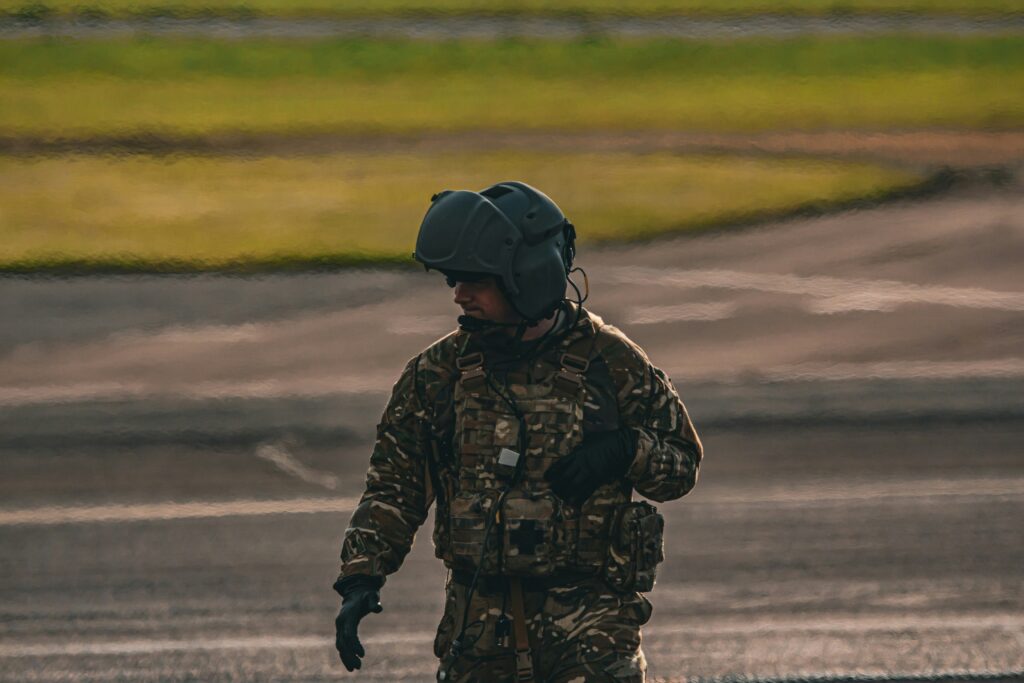
Transitioning from military to civilian life can be one of the most significant changes a service member will ever experience. Fortunately, the extensive training received in the military doesn’t just prepare individuals for combat—it builds a foundation for a wide array of successful careers in the civilian workforce. From leadership and discipline to technical skills and teamwork, military veterans bring a unique set of competencies that employers across all industries highly value. Whether you’re currently enrolled in a school military program, have completed one of the best military training programs, or are considering your options post-service, this guide explores how military training seamlessly translates into the civilian job market. The Foundation: What Is a Military Training Program? Before diving into how military training helps in the civilian sector, it’s important to understand what a military training program consists of. A military training program is a structured educational experience designed to teach service members the physical, mental, and technical skills needed to perform their roles effectively. This includes everything from physical conditioning and weapons training to communications, intelligence analysis, cyber operations, and leadership development. These programs are often offered through various military school programs across the U.S., and range in complexity from basic training to specialized military officer training programs. If you’re seeking more information about your options, this military training program provides detailed insight into financial aid, educational pathways, and benefits designed for service members and veterans. Key Skills Developed Through Military Training 1. Leadership Leadership is ingrained in every military schooling program. Whether leading a small team or coordinating large units, military personnel develop advanced skills in decision-making, delegation, crisis management, and accountability—traits that make for excellent supervisors, managers, and executives in civilian roles. 2. Teamwork Every mission in the military is executed by a team. Veterans are conditioned to operate in high-pressure environments that require group cohesion, clear communication, and mutual trust. This ability to collaborate is crucial in workplaces from healthcare to construction to IT. 3. Technical Expertise Many veterans receive in-depth training in areas such as cybersecurity, mechanics, aviation, logistics, and electronics. These technical competencies are highly transferable to industries that require specialized skills, especially in IT, manufacturing, and engineering. 4. Discipline and Work Ethic Military training fosters a strong sense of responsibility, punctuality, and reliability. Civilian employers value this unmatched work ethic and the ability to remain calm under pressure. 5. Problem-Solving Military personnel are frequently required to think on their feet, make decisions in real-time, and adapt strategies. This makes them ideal candidates for roles in project management, operations, and business analysis. Types of Military Training Programs and Their Civilian Applications Military Boot Camp Training Program The military boot camp training program is where service members first learn the core values of discipline, teamwork, and endurance. While this may seem like just the beginning, it lays the foundation for a career path rooted in structure and resilience. Civilian Application: The discipline and stamina built in boot camp are perfect for high-pressure roles in law enforcement, emergency response, or logistics. Military Officer Training Programs These programs prepare future leaders for command roles, teaching them how to manage personnel, plan missions, and oversee logistics and operations. Civilian Application: Graduates of military officer training programs are often well-suited for executive or managerial roles in both the private and public sectors. Technical Training Programs From IT and communications to engineering and cybersecurity, us military training programs often offer highly specialized technical training. Civilian Application: These skills translate directly into careers in tech support, network administration, software development, and more. Transitioning to Civilian Life: Why Military Training Gives You the Edge The transition to a civilian career can be intimidating, but the training you’ve received gives you a strong competitive edge. Here’s how: 1. Certifications and Licensing Many training programs for military personnel now offer certifications that are recognized in the civilian workforce. For example, a military mechanic might earn an ASE certification, while an IT specialist might hold a CompTIA Security+ certification. 2. Educational Partnerships Programs like the military training assistance program offer financial support and educational resources to help veterans pursue degrees or certifications that build on their military experience. If you’re ready to begin that journey, don’t hesitate to contact us today. 3. Career Placement Services Several military schooling programs offer career placement assistance, resume building, and interview coaching for veterans entering the civilian workforce. Top Civilian Careers for Military-Trained Individuals Here are just a few career paths where military training translates exceptionally well: Military Role Civilian Equivalent Infantry Law Enforcement, Security Intelligence Analyst Data Analyst, Intelligence Specialist Communications Specialist Network Administrator, IT Support Specialist Logistics Coordinator Supply Chain Manager, Operations Manager Medical Corpsman EMT, Medical Assistant, Healthcare Technician Cybersecurity Specialist Cybersecurity Analyst, Network Security Engineer Aviation Mechanic Aircraft Maintenance Technician Best Practices for Leveraging Your Military Background To maximize your chances in the civilian workforce, consider the following tips: 1. Translate Your Experience Use civilian terms in your resume. Instead of “platoon leader,” use “team manager.” Highlight achievements in a way that non-military employers understand. 2. Pursue Additional Certifications Even though your training is comprehensive, some civilian jobs require state or industry-specific certifications. Take advantage of the military training assistance program to help fund these opportunities. 3. Utilize Veterans Programs Organizations like the VA, Hiring Our Heroes, and universities with military school programs offer support networks and job placement tools tailored to veterans. 4. Continue Your Education If you’re aiming to move into a new field or climb the corporate ladder, consider enrolling in a civilian-focused educational program. A good example is DSDT College, which provides hands-on career training and accepts military benefits. Learn more about their military training program. Why Employers Seek Out Veterans Civilian employers increasingly recognize the value veterans bring. A study by the Society for Human Resource Management (SHRM) found that 68% of employers believe veterans perform better than their non-veteran counterparts in terms of responsibility and discipline. Here’s why: How DSDT Supports Military and Veteran Students If you’re ready
Why DSDT Is the Top Choice for Military-Scale Cybersecurity Training
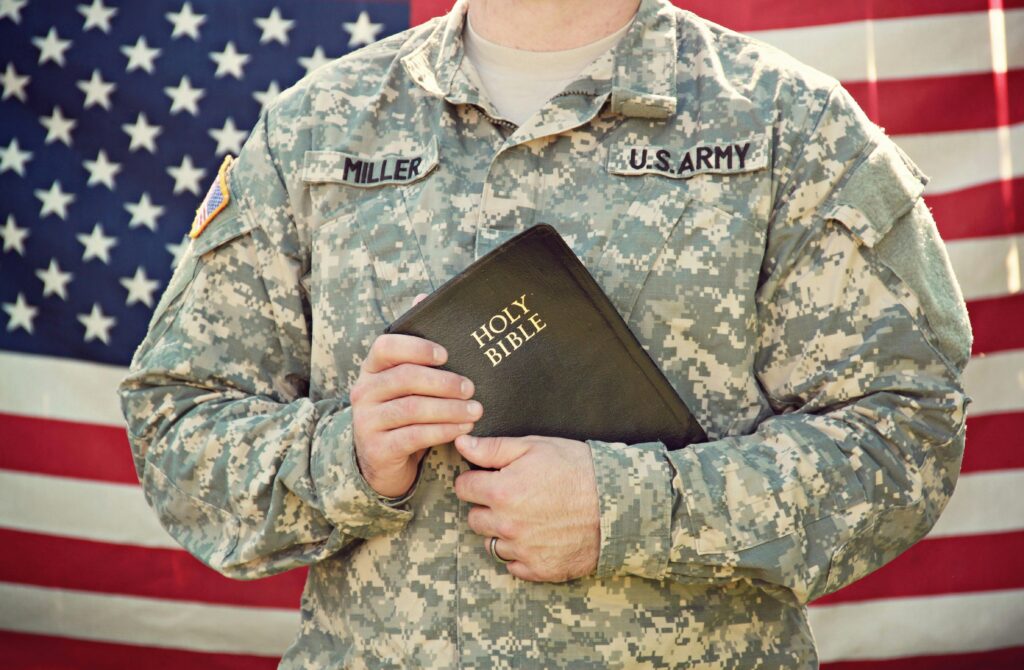
In an era where global threats are as likely to be digital as they are physical, cybersecurity has become a national priority. From defending critical infrastructure to countering cyberterrorism, the demand for trained cybersecurity professionals is exploding—especially those with military-grade discipline and technical skillsets. This is where DSDT (Detroit School for Digital Technology) shines. DSDT is not just another tech school—it’s a military-friendly institution purpose-built to deliver military-scale cybersecurity training for active-duty personnel, veterans, and military families. So, why is DSDT considered one of the best military training programs for cybersecurity? This in-depth article will explore DSDT’s alignment with military education and training programs, its adaptability to various military training schools, and why it’s the top choice for learners who need a career-ready path with real national security impact. The Urgent Need for Cybersecurity in the Military Modern warfare has evolved far beyond physical battlefields. Cyberwarfare, digital espionage, and ransomware attacks now pose a direct threat to military infrastructure, intelligence, and operations. That’s why every branch of the military—Army, Navy, Air Force, and beyond—has integrated cybersecurity as a core competency in their: These branches require cyber professionals with strong foundations in network defense, ethical hacking, penetration testing, and cyber forensics. And that’s exactly the kind of training DSDT provides. What Makes DSDT Unique? DSDT (Detroit School for Digital Technology) offers certification and diploma programs specifically aligned with real-world cybersecurity roles. More importantly, its programs are approved for military tuition assistance and GI Bill® benefits, making it accessible for both active service members and veterans. Learn more about DSDT’s military education benefits here. How DSDT Mirrors a Military Training Program DSDT’s structure is strikingly similar to traditional military school training models: Military Element DSDT Equivalent Basic Combat Training Foundational IT & Cybersecurity Curriculum Advanced Individual Training Cyber Defense, Penetration Testing, Forensics Military Technical Training Security+, Network+, CySA+ certifications Boot Camp Training Program Immersive Lab-Based Learning Military Leadership Programs Business IT, Project Management By providing hands-on, mission-driven education, DSDT simulates the urgency and responsibility found in military environments. Veteran-Centric Learning Veterans bring unparalleled experience in leadership, discipline, and situational awareness. However, many veterans face hurdles transitioning to civilian cyber careers due to gaps in civilian credentials or exposure to specific IT tools. DSDT bridges that gap through: Whether you’ve completed basic combat training or advanced individual training, DSDT helps translate that experience into a certified civilian career. Real-World Certifications with Mission-Critical Impact DSDT’s cybersecurity curriculum prepares students for certifications that are in high demand in both military operations and government agencies, such as: These certifications align with job roles inside: DSDT’s instructors—many of whom have military and industry backgrounds—bring battle-tested insights to the classroom. Aligning with All Branches: Army, Navy, Air Force Army Training Program The Army’s focus on cyber defense operations, information assurance, and signal intelligence requires soldiers trained in network architecture and threat analysis. DSDT’s coursework in CompTIA Network+ and CySA+ makes it an ideal supplement to your Army cyber MOS. Navy Training Course The Navy emphasizes network operations aboard ships and bases, requiring rapid detection and mitigation of cyber threats. DSDT’s network administration courses give veterans and active-duty sailors the skills to thrive in both Navy and civilian environments. Air Force Basic Training Airmen entering cybersecurity roles require structured tech-focused instruction. DSDT mimics Air Force classroom models with interactive modules, practical simulations, and rigorous testing—perfect for airmen pursuing cyber-focused AFSCs. Boot Camp Meets Bootcamps: Fast, Focused, and Mission-Oriented DSDT programs follow the boot camp training program model—short, intensive, and designed for high performance under pressure. Where traditional colleges might take years, DSDT condenses its cybersecurity training into as little as 6–12 months, making it ideal for: Why DSDT Outperforms Traditional Military Training Schools Here’s how DSDT stacks up against conventional military training schools: Feature DSDT Traditional Military School Flexible Online/Hybrid Learning ✔️ ❌ Often in-person only Open Admissions (No GPA/SAT) ✔️ ❌ Selective entry Fast-Track Completion ✔️ 6–12 months ❌ 2–4 years typical Job Placement Assistance ✔️ Military + Civilian Roles ❌ Often ends at graduation Military Assistance Training Eligible ✔️ TA, GI Bill®, Chapter 31 ✔️ (Varies by program) Apply today and start your mission at DSDT Real Outcomes, Not Just Classrooms DSDT doesn’t just teach—it delivers results. Graduates leave with: Because DSDT understands the mission-focused mindset of military professionals, its outcomes are as precise as the training itself. Serving Those Who Serve: Support Beyond the Classroom Transitioning from the military into civilian life is a complex journey. That’s why DSDT offers full-spectrum support beyond academics: It’s more than a cybersecurity school—it’s a community designed for military success. Who Should Choose DSDT? If you fall into any of the following categories, DSDT could be your ideal training ground: ✅ Active-duty members looking to upskill in cybersecurity✅ Veterans transitioning to civilian cyber careers✅ Reservists wanting to stay technically sharp✅ Military spouses in need of portable, in-demand skills✅ High school graduates preparing for a military career in cyber defense What Students Say “I came out of the Army with experience in signals intelligence but no civilian credentials. DSDT’s Security+ and CySA+ programs gave me the certifications and confidence to land a job with a defense contractor within 3 months of graduating.” – DSDT Graduate, Army Veteran “The flexibility was everything. I was able to balance my Reserve duties and full-time job while getting certified. No other school gave me that option.” – DSDT Graduate, Air National Guard A Bridge Between Military and Civilian Excellence DSDT serves as the ideal bridge between your military training program and a successful, secure civilian career. It’s a place where: You’ve served your country. Now let DSDT serve you. Conclusion: The Best Military Training School for Cybersecurity? Without question, DSDT delivers military-scale cybersecurity training in a format that works for service members and veterans. Its certification-based curriculum, flexible delivery, and military-focused support make it the top choice for those in uniform or transitioning out of it. Whether you’ve just completed air force basic training, boot camp training programs, or years of advanced individual training,
How the Military Trains Cybersecurity Experts: An Inside Look
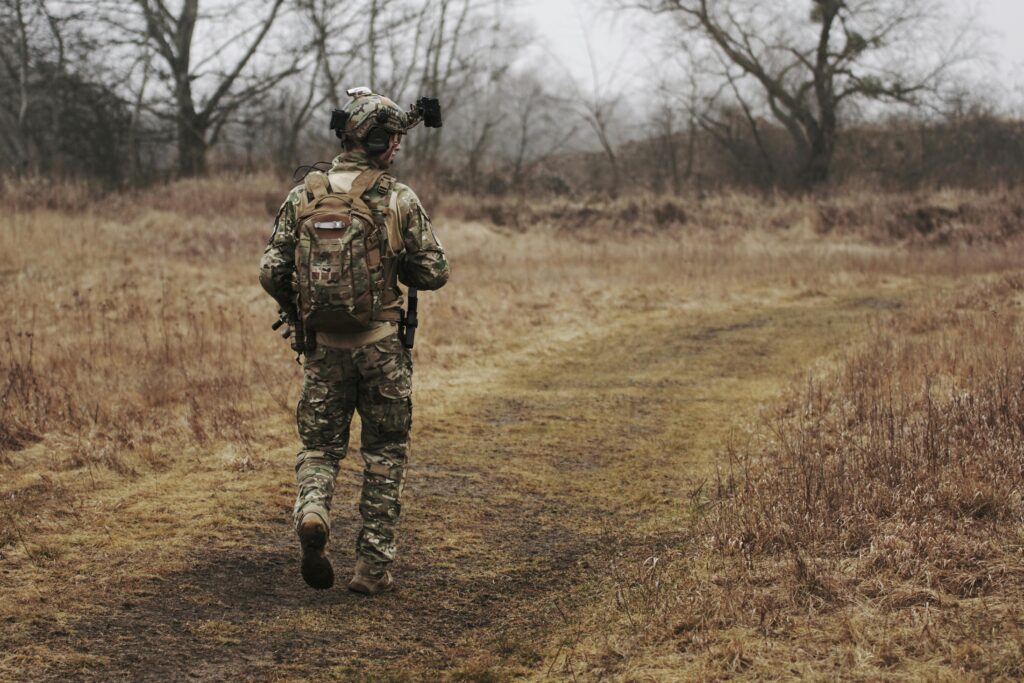
In today’s rapidly evolving digital battlefield, the United States military stands at the front lines—not just with boots on the ground, but with cybersecurity experts in front of glowing screens, battling invisible threats in real-time. From protecting classified intelligence to securing national defense systems, military cybersecurity experts play a crucial role in national security. But how exactly does the military train these cyber warriors? This article provides an inside look at how military training programs shape cybersecurity experts through rigorous education, advanced technology, and real-world simulations. Whether you’re interested in a military training school or exploring a veterans military training program, here’s everything you need to know. 1. The Foundation: Basic Combat Training and Discipline Every cybersecurity expert in the military begins their journey with basic combat training—often referred to as boot camp. Though it may seem unrelated to computer science, this foundational boot camp training program instills discipline, structure, and mental resilience. Regardless of branch—Army, Navy, or Air Force—all recruits go through intense physical and mental conditioning. This prepares them for the rigors of military life and builds the resilience essential for cybersecurity missions that may involve high-stakes decision-making under pressure. 2. Military School Training: Where Cyber Careers Begin After boot camp, those on the cybersecurity track head to a military training school for advanced individual training (AIT) or a specialized program based on their branch. For example: These schools offer a unique blend of classroom learning and hands-on exercises using real cyber tools, simulating attacks and defensive operations. 3. Advanced Individual Training for Cyber Warriors Once the basics are out of the way, advanced individual training (AIT) dives deep into cybersecurity. This isn’t your average tech bootcamp—AIT blends traditional military instruction with cutting-edge cyber technology. Trainees learn: This combination of theoretical knowledge and practical application ensures soldiers are mission-ready from day one. 4. Military Technical Training: Specialized Skill Building Military technical training for cybersecurity doesn’t end with AIT. As threats evolve, so do the training modules. Each military branch continuously updates its technical training curricula to cover: In addition, trainees undergo simulations that replicate real-world scenarios, such as phishing campaigns, ransomware attacks, and distributed denial-of-service (DDoS) events. If you’re considering this path, you can explore opportunities and support through DSDT’s military benefits page. 5. Military Leadership Programs: Creating Cyber Commanders Beyond tactical skills, the military emphasizes leadership. Cybersecurity experts must not only respond to attacks but also lead teams, strategize defenses, and coordinate with multiple units and agencies. Military leadership programs teach: Many of today’s top federal cybersecurity leaders are military-trained professionals who honed their skills through structured leadership tracks. 6. Cross-Branch Collaboration: Joint Cyber Missions Unlike other fields, cybersecurity is a joint mission across all branches. For instance: These joint missions help develop interoperability—a crucial component in national defense. 7. Military Assistance Training and Global Cybersecurity Roles Military-trained cybersecurity experts don’t just defend U.S. interests—they often support allied nations. Through military assistance training, cyber professionals are deployed globally to help friendly forces secure their digital infrastructures. From NATO allies to Pacific partners, these experts play a vital role in diplomatic cybersecurity efforts. This highlights the global relevance of the military education and training program provided by the U.S. military. 8. Military Education and Certification Pathways The military doesn’t limit learning to internal instruction. It encourages certifications recognized across the civilian world, such as: Most branches cover the costs for these exams. By the time military personnel transition out, they hold certifications that employers crave. DSDT College recognizes the value of these certifications and offers credit recognition and further training through programs accessible via DSDT’s application portal. 9. Transitioning to Civilian Cybersecurity Careers One of the biggest benefits of military cybersecurity training is its civilian application. Veterans often move into roles such as: Because of the elite training, discipline, and experience military cyber experts bring, they’re often at the top of the hiring list for government agencies and private corporations alike. 10. Best Military Training Program for Cybersecurity? It’s Evolving When it comes to identifying the best military training program for cybersecurity, each branch offers distinct advantages. The answer often depends on your career goals, but here’s a quick breakdown: Each path leads to elite opportunities in both military and civilian sectors. 11. Lifelong Impact of Military School Training Attending a military training school isn’t just about job prep—it shapes who you are. Cybersecurity experts gain: These benefits make military cyber experts highly respected in both government and industry. 12. Why DSDT Supports Military Cyber Training Graduates At DSDT College, we recognize the value and discipline that military-trained students bring. That’s why we offer: If you’re a service member or veteran looking to enhance your cybersecurity career after military service, visit our Military Benefits page or take the next step by applying today. Conclusion: From Combat Boots to Cyber Boots Military cybersecurity training is among the most comprehensive, intensive, and respected paths into the field. With a combination of basic combat training, advanced individual training, military technical training, and leadership programs, it prepares professionals to defend the digital frontlines of the world. Whether you’re currently serving, a veteran, or considering enlistment, know that the military can launch a career path that leads directly to elite roles in agencies like the FBI, NSA, and DHS. Want to build on your military training or explore civilian opportunities in cybersecurity? Start here:🔗 Military Benefits at DSDT 🎓 Apply to DSDT Programs