

Why Military Spouses Deserve More Recognition—and How You Can Help
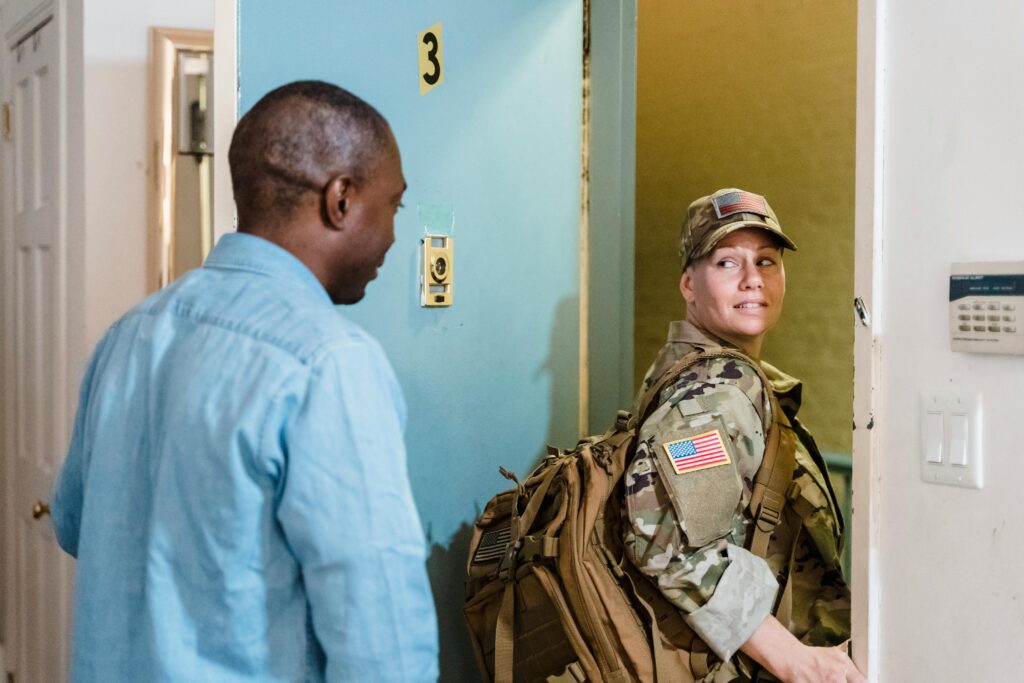
When we celebrate our military heroes, we often picture those in uniform—standing tall, deploying overseas, defending freedom. But behind every service member is someone holding down the home front, juggling responsibilities, enduring uncertainty, and sacrificing just as much: the military spouse. Military spouses are the silent strength of our nation’s defense. They are caretakers, parents, workers, students, and emotional anchors. Their dedication, resilience, and adaptability often go unacknowledged in the larger conversation about military service. It’s time we change that. In this article, we’ll explore why military spouses deserve more recognition, the real-life challenges they face, and most importantly, how you can help—from community involvement to educational support through institutions like DSDT. The Unseen Backbone of Military Life Military spouses serve in a different—but equally vital—way. While their partners are deployed or fulfilling their duties, spouses manage daily life: paying bills, raising children, maintaining homes, navigating PCS (Permanent Change of Station) moves, and providing unwavering emotional support. According to the Department of Defense: Yet, despite their integral role, military spouses often feel overlooked, especially when it comes to employment opportunities, educational access, and community support. The Challenges Military Spouses Face 1. Career Instability Due to frequent relocations, military spouses often face interrupted employment, difficulty transferring credentials between states, and gaps in work history. According to a U.S. Chamber of Commerce report, military spouses face unemployment rates of 22–24%, significantly higher than the national average. 2. Education Disruption Many spouses begin a degree or certification program only to pause or restart due to relocation or family obligations. Traditional schools often lack the flexibility military families require. 3. Solo Parenting Deployments can last six months or more, leaving spouses to parent alone. This includes everything from school drop-offs and doctor appointments to emotional counseling and financial management. 4. Mental and Emotional Strain Worrying about a deployed partner, managing change, and facing isolation in new communities takes a toll on mental health. Many military spouses report feeling unsupported or forgotten, especially when stationed far from extended family. 5. Financial Stress With one income frequently disrupted or reduced due to career barriers, many military families live on tight budgets—despite public assumptions that military life is financially stable. Why Military Spouses Deserve More Recognition ➤ They Serve Too While they may not be enlisted, military spouses serve in a civilian capacity that’s equally demanding. Their sacrifices ensure the readiness and focus of the military force. Without their support, our service members couldn’t do their jobs. ➤ They Demonstrate Unmatched Resilience From moving across the country on short notice to making new friends in unfamiliar places, military spouses constantly adapt. They persevere through change, loneliness, and challenge—with strength and grace. ➤ They Put Their Dreams on Hold Military spouses often delay education, careers, and personal goals to support their partner’s service. This selflessness deserves acknowledgment—and support to reclaim those dreams. ➤ They Raise the Next Generation Military children face emotional and social challenges unique to their lifestyle. Spouses are often the glue holding the family together during tough times—mentoring, nurturing, and building strong, capable future citizens. How You Can Help: Practical Ways to Uplift Military Spouses Recognition is not just about appreciation—it’s about action. Here are tangible ways you can support the military spouses in your community, workplace, and beyond. 1. Support Flexible and Military-Friendly Education Education is a lifeline for many military spouses, allowing them to build portable careers and reclaim personal goals. But traditional schools often don’t cater to their mobile lifestyles. That’s where DSDT comes in. 🎓 Why Military Spouses Choose DSDT: DSDT is committed to helping military spouses pursue real-world training that leads to real opportunities—on their terms, on their schedule. 💻 Explore educational benefits and programs at DSDT Military Benefits. 2. Hire Military Spouses—and Be Flexible If you’re an employer, consider: Organizations like Hiring Our Heroes and Military Spouse Employment Partnership (MSEP) offer great tools to connect with qualified military spouses. 3. Use Your Voice to Advocate Support policy changes that help military spouses by: Grassroots advocacy and local engagement can lead to lasting change. 4. Offer Childcare Support Military spouses often struggle to find affordable childcare, especially when parenting solo during deployments. If you can: Even a few hours of help can make a big difference in a spouse’s week. 5. Create Community Connections Isolation is common in military life. Welcome military spouses into your circles by: A strong community is one of the most valuable gifts we can offer. 6. Celebrate Their Successes Take time to recognize and celebrate the accomplishments of military spouses, no matter how small they may seem. Whether it’s completing a degree, starting a new job, or simply surviving a difficult deployment, affirm their efforts. Post their stories, nominate them for awards, share their businesses, and cheer them on. 📝 Know a military spouse ready to achieve more? Share DSDT’s application link and help them start their journey. Empowering Dreams Through Career-Focused Programs DSDT’s career-driven programs are designed to meet the needs of military spouses who want flexibility, practical skills, and fast results. 🔧 Career Fields Offered at DSDT Include: All programs can be completed remotely, with real-world training and job support to help military spouses create careers that move with them. Real Stories, Real Impact ✨ Maria – Marine Spouse and DSDT Graduate “I started at DSDT while my husband was deployed. I was homeschooling two kids, managing the household alone, and still earned my diploma in digital marketing. DSDT gave me the tools—and the confidence—to build a freelance business I can take anywhere.” ✨ James – Army Spouse and Healthcare Student “We’ve moved five times in ten years. I kept putting my career on hold—until DSDT. I finished my certification online and now work part-time as a medical assistant. I feel like I finally have something that’s mine.” Why This Recognition Matters—Now More Than Ever Military families are experiencing increasing stress and uncertainty—from extended deployments to housing shortages and mental health concerns. And military spouses continue to carry a disproportionate burden with
Supporting Those Who Support Our Troops: Resources for Military Spouses

Behind every brave man or woman in uniform stands a partner who holds down the home front, manages family life, and faces the emotional and practical challenges of military life with quiet resilience. Military spouses are often the unsung heroes of the armed forces—offering unwavering support through frequent moves, long deployments, and constant change. Yet, despite their crucial role, their needs are too often overlooked. From maintaining careers and managing solo parenting to pursuing higher education and maintaining mental wellness, military spouses face a unique set of challenges. Fortunately, a growing number of resources and organizations are dedicated to supporting them in tangible, empowering ways. This article explores the essential educational, career, financial, mental health, and community resources available for military spouses—and how institutions like DSDT are playing a pivotal role in helping spouses turn their sacrifices into strength and self-fulfillment. Understanding the Life of a Military Spouse Military spouses live in a world shaped by unpredictability. They often uproot their lives every few years, adapt to new communities, and raise children while their partners serve overseas or in dangerous situations. According to the Department of Defense, more than 90% of military spouses are women, although the number of male spouses is growing. Regardless of gender, military spouses all share the burden of sacrifice and deserve robust systems of support. Key Challenges They Face: While these challenges are daunting, military spouses have shown again and again that with the right resources, support, and opportunities, they can achieve great things. 1. Educational Resources for Military Spouses One of the most powerful ways to support military spouses is through accessible, flexible, and affordable education. Earning a degree or certification can lead to portable, high-demand careers that travel with them across duty stations. 🏫 DSDT: A Military-Friendly Institution DSDT (Digital School of Design and Technology) offers a wide range of career-focused training programs specifically tailored for military spouses and veterans. Why Military Spouses Choose DSDT: 🎓 Explore military tuition assistance and program options at DSDT Military Benefits. 🎖️ MyCAA (My Career Advancement Account) This Department of Defense scholarship offers up to $4,000 in financial assistance to eligible military spouses pursuing licenses, certifications, or associate degrees. 📚 Military Spouse Career Advancement at DSDT At DSDT, military spouses can apply MyCAA funding toward their education, and advisors are available to help guide applicants through the process. DSDT’s staff also assists with understanding GI Bill® transfers and other VA education benefits. 📝 Take the next step toward your dream career. Apply now at DSDT. 2. Career and Employment Resources Career continuity is one of the biggest challenges for military spouses, who often face unemployment or underemployment. However, many programs and organizations exist to help them find meaningful, portable careers. 💼 Military Spouse Employment Partnership (MSEP) Run by the Department of Defense, MSEP connects military spouses with over 500 partner employers committed to hiring and retaining military spouse talent. 🧑💼 Hiring Our Heroes – Military Spouse Program This program offers career preparation, networking opportunities, and hiring events focused on creating pathways to employment for military spouses. 👩💻 Remote and Freelance Opportunities Many military spouses turn to freelancing, consulting, and remote work for flexibility. Platforms like Upwork, Fiverr, and FlexJobs are valuable for those with skills in writing, marketing, IT, design, and more. Training through schools like DSDT can prepare spouses for remote-friendly roles in tech, marketing, administration, and digital content creation. 3. Financial Resources and Benefits Managing finances on a single income—often interrupted or limited by military life—can be stressful. Financial planning and access to benefits are critical. 💰 Military OneSource Financial Counseling Offers free financial planning and counseling for military families, including: Website: https://www.militaryonesource.mil 💳 VA Education Benefits for Spouses Eligible spouses may qualify for Chapter 35 (Survivors and Dependents Education Assistance) or Post-9/11 GI Bill® transfers, which cover: DSDT’s team can help families navigate these benefits. 🎓 Start your educational journey with help from DSDT Military Benefits. 4. Mental Health and Emotional Support Mental health is a critical component of supporting military spouses. Loneliness, isolation, and anxiety are common during long deployments or while living far from family and friends. 🧠 Resources for Mental Wellness Military Family Life Counselors (MFLCs) Available on most military installations, MFLCs provide confidential, short-term counseling services for spouses and children. Military OneSource – Confidential Counseling Phone: 1-800-342-9647Website: https://www.militaryonesource.mil 🧘♀️ Wellness Apps and Online Resources 5. Community and Peer Support Connection is vital. Military spouses often need support systems that understand the lifestyle and its challenges. 🤝 Military Spouse Facebook Groups and Forums Thousands of local and national groups provide advice, recommendations, friendship, and emotional support. Topics range from parenting and relocation to career and education. Popular groups: 🏡 Installation Family Support Centers Nearly every base has a Family Support Center offering: Check your local base directory for services. 6. Childcare and Parenting Support For spouses with young children, managing parenting alone can be exhausting, especially during deployments. 📚 DSDT’s Flexibility for Parents With asynchronous courses and self-paced options, DSDT empowers military spouses to study while parenting, even during deployments. 🍼 Balance family and career goals — Apply now and start when you’re ready. 7. Transition Resources for Spouses and Families When a service member transitions out of the military, the entire family undergoes change. Resources for this period are essential for creating a successful civilian life. 🪖 VA Transition Assistance Program (TAP) Includes specific modules for spouses and helps with: 📘 DSDT’s Career Training for Transitioning Families Whether your spouse is still serving or recently transitioned, DSDT programs help military families build lasting careers through marketable certifications. Final Thoughts: Empowering Those Who Empower Our Troops Military spouses are much more than silent supporters. They are resilient leaders, resourceful parents, adaptable professionals, and lifelong learners. Their strength fuels our armed forces—and they deserve support systems that empower them to thrive, not just survive. From education and career training to mental health support and financial resources, there are more opportunities than ever for military spouses to pursue their goals. At DSDT,
Balancing Duty and Dreams: Military Spouses in Education and Career
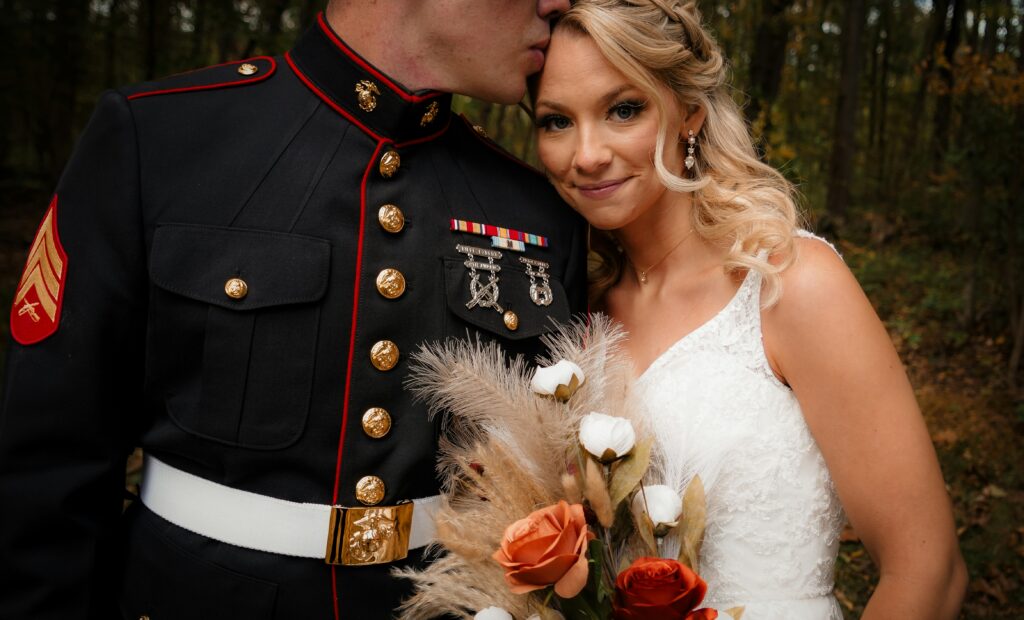
Military spouses are the invisible backbone of the armed forces—adaptable, resilient, and selfless. While their partners wear the uniform and answer the call of duty, these spouses often carry the weight of the household, parenting, and emotional support during deployments and relocations. But many military spouses don’t just support; they also aspire. They dream of building careers, earning degrees, and developing identities outside of military life. Balancing duty and dreams, however, is no easy task. Juggling the unpredictable demands of military life while pursuing education and career goals requires immense determination and support. In this article, we’ll explore the realities military spouses face, how they’re overcoming obstacles to achieve their professional aspirations, and how institutions like DSDT are championing their journeys with flexible, military-friendly education programs. The Life of a Military Spouse: Unique Challenges and Hidden Strengths To understand the educational and career pursuits of military spouses, we first need to understand their lifestyle—one filled with transitions, sacrifices, and a constant balancing act. Common Challenges: Despite these challenges, military spouses continue to rise above, redefining what it means to be strong, smart, and driven. Dreams That Don’t Wait Military spouses have dreams that extend beyond the base gates. They want to become nurses, teachers, IT professionals, entrepreneurs, marketers, project managers, and healthcare workers. And while the military may dictate where they live or when they move, it doesn’t define their potential. With the rise of online learning and career-focused certification programs, more military spouses are stepping into their dreams—even amid the chaos of service life. The Role of Education in Empowering Military Spouses Education is more than a degree—it’s a path to independence, empowerment, and purpose. For military spouses, education: However, education must be accessible, flexible, and tailored to the military lifestyle. That’s where DSDT comes in. DSDT: Where Military Spouses Learn Without Limits DSDT (Digital School of Design and Technology) is a proud advocate for military spouses. With programs designed to fit their dynamic lives, DSDT offers: From cybersecurity and healthcare to business technology and digital marketing, DSDT’s programs are built for real-world results and offer careers that travel. 🎓 Explore benefits and support options at DSDT Military Benefits. Career Paths That Fit the Military Lifestyle 1. Digital Marketing Military spouses can study SEO, social media strategy, email marketing, and content creation—all skills that translate into remote, freelance, or agency work. 2. Healthcare Becoming a Medical Assistant or earning certifications in healthcare administration provides portable, high-demand job opportunities available in nearly every city. 3. Cybersecurity & IT With CompTIA A+, Network+, Security+, and other IT certifications, spouses can enter one of the fastest-growing, remote-friendly industries. 4. Business Technology A diploma or certificate in Business Information Technology opens doors to admin roles, office management, and customer support—all roles with broad geographic demand. 5. AI Prompt Engineering & Machine Learning As the tech world rapidly evolves, DSDT trains spouses in the AI and machine learning space, preparing them for the future of work. 📝 Ready to take control of your career? Apply now at DSDT and begin your journey. Real Stories, Real Success Lina – Army Spouse, Digital Marketing Grad “Every PCS felt like a restart—new home, new school for the kids, and career on pause again. I found DSDT while stationed in Texas. I earned my certificate in digital marketing remotely, and now I run a freelance social media business. It moves with me—and that’s life-changing.” Aaron – Navy Spouse, CompTIA Certified “My wife’s deployment was the toughest time of our lives, but I used that time to focus on my own goals. I enrolled at DSDT, got certified in A+ and Security+, and landed a remote IT help desk role. For the first time, I feel like I have a career of my own.” Building a Supportive Learning Environment DSDT’s approach goes beyond academics. We believe in supporting the whole person—especially those navigating military life. Our team includes veterans, military spouses, and career advisors who understand your world and are here to guide you. Our Support Services Include: We know that balancing duty and dreams is tough. At DSDT, you don’t have to do it alone. Why Flexibility Matters Time zones, deployments, school pickups, and household responsibilities don’t fit neatly into a 9–5 schedule. That’s why DSDT’s programs are designed with maximum flexibility. We adapt to your schedule, not the other way around. Military Spouses and Employment: The Bigger Picture Unemployment and underemployment are long-standing issues among military spouses. According to the Department of Defense, military spouse unemployment often hovers around 20%, compared to the national average of about 3–4%. Many highly qualified spouses find themselves sidelined because of geographic instability or lack of employer understanding. How Education Solves This: By investing in education, military spouses not only overcome employment barriers—they build lifelong careers. Community and Connection Through Learning Isolation is a frequent challenge in military life. Educational environments can foster connection, community, and empowerment. At DSDT, spouses find: When you learn alongside others who “get it,” you’re not just building knowledge—you’re building confidence and friendship. Taking the First Step: It’s Never Too Late Many military spouses wait years to prioritize themselves. They put everyone else first—children, service members, the mission. But your dreams are worth pursuing too. Whether you’ve never attended college, haven’t studied in decades, or are switching careers altogether—now is your time. ✨ Start your journey with DSDT. Apply today and take the first step toward your future. How Employers, Educators, and Communities Can Help Supporting military spouses means more than appreciation. It requires action. Here’s how others can help: When society supports military spouses, we support national readiness, family stability, and a stronger workforce. Conclusion: Dreams Deferred Are Dreams Worth Fighting For Military spouses are masters of adaptation. They endure loneliness, upheaval, and career obstacles with grace. But they also harbor dreams—dreams of purpose, achievement, and financial independence. And now, with schools like DSDT offering flexible, empowering education, those dreams are within reach. Whether you’re aiming for your first certification or planning a complete
Smart Money Moves: Managing Your Financial Aid & Budgeting for the Semester

Are you ready to make the most of your financial aid and manage your budget effectively for the semester? Whether you’re new to college finances or looking to sharpen your money management skills, this session is for you. Join us on Wednesday, May 14th at 12:00 PM for a valuable, no-cost workshop designed to empower students with the financial knowledge they need to thrive. This interactive session is open to all students and will provide practical tools and real-world tips to help you take control of your money. 🎓 What You’ll Learn This session will walk you through the financial basics every student should know. You’ll leave with a clear understanding of how to handle your financial aid and how to make smart budgeting decisions that last all semester long. 💰 Understanding Your Financial Aid Disbursement Knowing how and when you’ll receive your financial aid is key to making it work for you. We’ll break down: Understanding this process ensures you’re never caught off guard and helps you plan ahead for tuition, books, and living expenses. 📝 Budgeting Tips to Stretch Your Refund Check It’s easy to overspend when that refund check hits your account. We’ll help you create a realistic and sustainable student-friendly budget that prioritizes essentials and includes space for occasional treats. You’ll learn: With these tips, your financial aid will go further than you ever expected. ⚠️ Common Money Traps (And How to Avoid Them) Many students face challenges when it comes to financial decision-making—especially when managing money for the first time. We’ll go over common traps such as: Most importantly, we’ll show you how to avoid these pitfalls with actionable advice and smarter money habits. 🛠️ Resources to Help You Stay Financially Strong There’s no need to navigate your financial journey alone. We’ll introduce you to a range of free and student-friendly financial wellness resources that can make budgeting, saving, and planning easier, including: You’ll also learn how to access free counseling or coaching, so you always have someone to turn to for advice. 🎉 Bonus: Win a $25 Amazon Gift Card! Who says learning about finances can’t be fun? During the session, we’ll host a round of Kahoot!, an interactive quiz game to test your knowledge of financial literacy topics. The winner will receive a $25 Amazon Gift Card—just another reason to attend and stay engaged! 📅 How to Join Ready to take control of your finances? Register now to save your spot and receive the event link. Simply [CLICK HERE] to sign up. Once you register, you’ll receive a confirmation email with the session link and instructions for joining. The session is virtual, so you can attend from anywhere—whether you’re at home, on campus, or on the go. Who Should Attend? This session is open to all DSDT students, including: Whether you’ve got financial aid questions or want a better plan for handling your expenses this semester, this session has something valuable for you. 💡 Why Financial Literacy Matters Managing your money well in college doesn’t just reduce stress now—it sets the foundation for your future financial success. By learning how to budget and use your financial aid wisely, you’ll be more confident, prepared, and capable of handling your financial life after graduation. Your financial future starts with smart decisions today. Join us on May 14th at 12:00 PM and take the first step toward financial empowerment. Whether you’re living on a tight budget or just trying to make the most of your refund, this session will help you stretch your dollars and plan with purpose. Don’t miss this opportunity to build your financial knowledge—and maybe win a prize while you’re at it! Contact us today!
Career Connect Thursdays at DSDT College: Connecting Students to Real Employers

Bridging Education and Opportunity At DSDT College, we understand that education is just one part of the career journey. The real key to success lies in opportunity and that’s exactly what Career Connect Thursdays are all about. What Is Career Connect? Every Thursday, DSDT College hosts Career Connect, a virtual event designed to bring students face-to-face with real employers who are actively hiring. This isn’t just another webinar or lecture, it’s a dedicated space for students to speak directly with hiring managers, learn about current job openings, and understand what employers are really looking for in today’s workforce. Weekly Employer Spotlights Each week, a different employer joins the virtual session, representing industries like Information Technology and Digital Marketing. These employers speak with students about job placements, internship opportunities, and how to stand out in a competitive job market. It’s a unique chance for students to ask questions, share their career goals, and even land interviews all without leaving home. A Valuable Resource for Students For our students, Career Connect is a powerful tool. It provides real-world insight, networking opportunities, and the kind of confidence that only comes from direct interaction with industry professionals. It also helps them stay motivated and focused, knowing that what they’re learning today can directly lead to employment tomorrow. A Strategic Advantage for Employers For employers, Career Connect is equally valuable. It’s a chance to meet enthusiastic, trained, and career-ready individuals who are eager to bring their skills into the workforce. Employers gain early access to some of the most talented students in tech and they don’t even have to leave the office to do it. Where Ambition Meets Opportunity At DSDT College, we’re proud to offer a learning experience that doesn’t just prepare students for the future—it connects them to it. So whether you’re a student ready to take the next step, or an employer searching for your next great hire, Career Connect Thursdays are the place where ambition meets opportunity. Join the Experience Join us online every Thursday, and let’s build your future together.
Behind Every Uniform: Honoring the Resilience of Military Families
When we see a service member in uniform, we often picture courage, sacrifice, and duty. But behind every uniform is a family that serves too—a spouse who holds everything together through deployments, children who grow up in a world of change, and parents who worry but stand proud. Military families are the silent force behind the nation’s defense, demonstrating remarkable resilience, adaptability, and heart. They endure frequent moves, long separations, and emotional uncertainty with grace. Yet their strength is rarely spotlighted. This article explores the incredible resilience of military families, the challenges they face, and how institutions like DSDT are empowering them through education, opportunity, and unwavering support. The Backbone of the Military: Families Who Serve Too While the active-duty service member may be the one in uniform, the entire family is enlisted into a life of unpredictability and sacrifice. Military families are expected to adapt at a moment’s notice, relocate frequently, and cope with the emotional toll of their loved one’s deployments—all while building stable, fulfilling lives. These families are the unsung heroes of national service. They don’t wear medals or rank insignia, but they embody strength, loyalty, and resilience in ways the world doesn’t always see. The Common Challenges Military Families Face Behind the smiles and homecoming signs are real, persistent struggles. From financial strain to emotional stress, military families confront a unique set of challenges. 1. Frequent Relocation Military families move, on average, every 2–3 years. This disrupts careers, children’s education, healthcare continuity, and social support systems. Each relocation requires starting from scratch—finding a new home, school, doctors, jobs, and friends. 2. Deployment and Separation Deployments can last six months to over a year. During this time, families are separated, often with minimal communication. Spouses become solo parents, children miss milestones with their deployed parent, and anxiety becomes a constant companion. 3. Career and Educational Disruption Spouses often sacrifice their own professional and academic ambitions. Moving state-to-state (or country-to-country) presents licensing and credentialing challenges. Gaps in employment history, childcare difficulties, and limited job markets near bases add to the difficulty. 4. Emotional and Mental Health Struggles From PTSD affecting the service member to the emotional strain on the family left behind, military life can take a heavy mental toll. Spouses may experience anxiety, depression, or burnout. Children may struggle with attachment, fear, or frequent goodbyes. 5. Financial Hardship Though many believe military families are financially secure, many struggle with limited income, high relocation costs, and challenges in dual-income stability. Children in the Ranks: The Experience of Military Kids Military children, often called “military brats” (a term of endearment), grow up learning to be adaptable, resilient, and culturally aware. They experience more by age 10 than many do in a lifetime—but that exposure comes with emotional costs. Challenges Military Children Face: Despite these obstacles, many military kids develop strong leadership skills, emotional intelligence, and global awareness. The Resilience Factor: What Makes Military Families Strong? Despite their unique struggles, military families continue to endure, adapt, and thrive. What fuels this resilience? 1. Community Support Military families often form tight-knit communities on bases or in military towns. These networks provide emotional support, resources, and a sense of belonging. 2. Adaptability With every move or deployment, families must quickly learn new systems, environments, and routines. This continuous adaptation builds confidence and problem-solving skills. 3. Purpose and Pride Military families take immense pride in the service of their loved ones. This shared sense of mission reinforces strength and commitment. 4. Resourcefulness Whether it’s managing on a tight budget, handling home repairs solo, or learning new school systems, military families find ways to make things work. The Role of Education in Empowering Military Families For many military spouses and family members, education is the key to independence, mobility, and self-fulfillment. However, traditional educational paths often don’t accommodate their unique lives. That’s where DSDT comes in. DSDT is committed to providing military-friendly education that is flexible, practical, and aligned with the real-world demands of military life. 🎓 Discover tuition assistance, career training, and flexible learning at DSDT Military Benefits. Why Military Families Choose DSDT At DSDT, we understand the challenges military families face because we serve them every day. Our programs are designed to meet students where they are—whether that’s on base, at home, or in transition. What We Offer: Whether you’re a spouse reentering the workforce, a parent looking to finish a degree, or a transitioning service member, DSDT offers programs that fit your life. 📝 Ready to build your future? Apply today and take the first step. Career Paths That Move With You Military families need careers that can move with them. That’s why DSDT focuses on portable professions that offer flexibility, remote work options, and high demand in multiple locations. Ideal Programs for Military Families: These career paths allow spouses and family members to maintain employment continuity, regardless of location. Real Stories: Military Families Thriving at DSDT Alicia, Air Force Spouse and Business Technology Student “I moved four times in eight years. Every time I had to quit a job or start over. DSDT gave me a way to finally build a career I can take anywhere. I’m studying business IT and already doing freelance support work from home.” James, Army Veteran and Cybersecurity Student “When I transitioned out of the military, I had no idea where to start. DSDT welcomed me, helped me use my GI Bill®, and now I’m two certifications away from a cybersecurity career.” Their stories reflect the larger mission: giving military families the tools to thrive—not just survive. Supporting the Entire Household At DSDT, support isn’t limited to the classroom. We understand the emotional, financial, and personal aspects of military life and extend help beyond academics. Holistic Services Include: Our mission is to support the whole family, not just the student. Advocacy, Awareness, and Community As we work to support military families, it’s also critical to raise awareness of their realities. Employers, schools, neighbors, and policymakers must recognize that service doesn’t end with the soldier—it
Veterans in the Workforce: Celebrating Their Impact Beyond Service
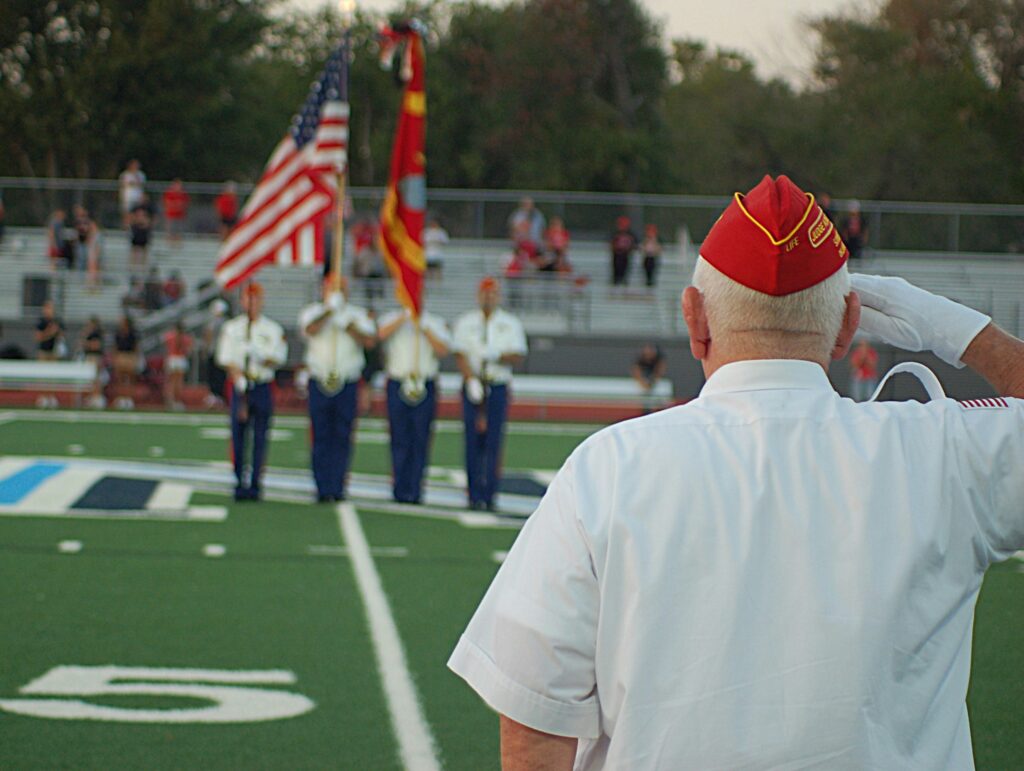
When veterans transition from military service to civilian life, they bring more than just experience—they bring leadership, resilience, teamwork, and a deep commitment to purpose. These traits not only define their time in uniform but also fuel their impact across a wide array of industries in the civilian workforce. In this blog, we celebrate the vital role that veterans play beyond their years of active duty. From healthcare and technology to logistics and education, veterans are leaving their mark on the American economy and reshaping what it means to lead, serve, and thrive in civilian careers. We’ll also explore how organizations like the Detroit School for Digital Technology (DSDT) are empowering veterans to launch successful careers through workforce-focused training and military education benefits. The Military-to-Civilian Transition: More Than a Career Change For many veterans, the transition to the civilian workforce isn’t just about finding a job—it’s about finding purpose. After years of structured service, many struggle to identify where their skills fit in. Yet, when properly supported and placed, veterans excel in roles that demand responsibility, adaptability, and mission-driven focus. Their military experience prepares them to: These strengths are not only valuable—they’re essential in today’s competitive and fast-paced work environments. Industries Where Veterans Thrive 1. Information Technology (IT) and Cybersecurity Veterans with technical military training, especially in communications, intelligence, and systems operations, are well-suited for careers in IT and cybersecurity. Their experience handling sensitive information, maintaining secure systems, and understanding threat landscapes makes them ideal candidates for protecting digital infrastructure. DSDT’s cybersecurity training programs are specifically designed to help veterans transition their skills into certifications and careers in network security, ethical hacking, and digital forensics. Learn more about how DSDT supports veteran career paths in tech on the Military Benefits page. 2. Healthcare and Medical Technology Disciplined, focused, and detail-oriented, veterans often excel in healthcare environments. Many have already worked in field hospitals or handled medical logistics, making careers in healthcare technology, medical assisting, or administration a natural next step. DSDT’s programs in healthcare technology and medical assisting are tailored to fast-track veterans into growing roles that improve patient care and support hospital systems. 3. Skilled Trades and Technical Services With hands-on experience in mechanical repair, construction, and logistics, many veterans transition into careers in: The demand for skilled labor continues to grow across the U.S., and veterans are meeting this need with precision and professionalism learned in the service. 4. Business and Project Management Military personnel are trained to lead, delegate, and execute—skills that are foundational to business success. Veterans thrive in: Employers often praise veteran hires for their integrity, work ethic, and results-driven mindset. The Economic Impact of Veterans in the Workforce Veterans are more than contributors—they’re economic drivers. According to the U.S. Census Bureau and Department of Labor: Their strong work ethic and commitment to team success drive productivity and innovation in companies across all sectors. Success Stories: Veterans Making an Impact Marcus Williams – From Army to IT Leadership After 12 years in the U.S. Army as a network administrator, Marcus enrolled in a cybersecurity certification program to transition to civilian life. With training support from DSDT, he earned multiple CompTIA certifications and now leads an IT security team at a Fortune 500 company. “DSDT gave me the structure and flexibility I needed to upgrade my skills while working part-time,” Marcus shares. “Now I’m using what I learned in the military—plus the technical knowledge I gained from DSDT—to keep systems secure and mentor others.” Janelle Ortiz – Combat Medic to Healthcare Innovator Janelle served two tours in Afghanistan as a combat medic. Upon returning home, she joined a medical technology program, where she quickly became certified as a clinical support specialist. Today, she works in telemedicine, ensuring rural communities have access to vital care. “The mission to help others never left me. It just changed uniforms,” Janelle says. Barriers to Civilian Employment: Challenges Veterans Face Despite their value in the workforce, veterans often face obstacles in their job search and professional development. Common challenges include: That’s where veteran-focused education and career services become critical. Institutions like DSDT are stepping up to remove these barriers and bridge the gap between military experience and career readiness. How DSDT Empowers Veterans for Workforce Success At the Detroit School for Digital Technology, we believe every veteran deserves the tools to succeed after service. That’s why we offer: ✔ Military-Friendly Certification Programs DSDT’s programs align with in-demand careers in digital marketing, cybersecurity, IT support, and medical tech—fields that are growing nationwide and especially suited to military skill sets. ✔ VA Education Benefits & MyCAA Veterans and military spouses may be eligible for financial aid through GI Bill® funding or MyCAA scholarships. DSDT helps students navigate these programs so they can focus on learning, not paperwork. Full benefit information is available on our Military Benefits page. ✔ Flexible Schedules and Online Options Understanding that many veterans are balancing work, family, and school, DSDT offers flexible learning paths—including online classes and hybrid formats—making it easier to complete training on your terms. ✔ Career Services and Job Placement Support From résumé building to interview prep and employer connections, DSDT’s career services team is dedicated to helping veteran students secure meaningful employment after graduation. Taking the Next Step: Education as a Catalyst The most impactful way veterans can accelerate their post-service careers is through targeted education and upskilling. Whether it’s earning a technical certification, exploring a new field, or advancing to a leadership role, the next mission begins in the classroom. If you’re a veteran—or know one—who’s ready to take the next step, we invite you to apply to DSDT today. Our team is here to guide you every step of the way, from enrollment through graduation and job placement. Employers Benefit from Hiring Veterans Organizations that hire veterans report numerous benefits, including: By embracing veterans, companies not only gain skilled employees—they also invest in individuals who know how to work under pressure, maintain discipline, and foster unity. Pro Tip for Employers: Use tools
Veterans Day Every Day: Simple Acts of Gratitude All Year Long

Each year, on November 11, we observe Veterans Day, a national holiday dedicated to honoring the brave men and women who have served in the United States Armed Forces. Parades are held, flags are flown, and heartfelt speeches are delivered. But for many veterans, appreciation shouldn’t be limited to a single day. Their sacrifices, resilience, and contributions continue long after their military service ends—and our gratitude should too. In this blog article, we explore how to make Veterans Day a mindset, not just a date on the calendar. From small, meaningful gestures to broader community efforts, we’ll walk through simple, impactful ways to show gratitude all year round. We’ll also highlight how institutions like DSDT empower veterans through education and career development—proving that gratitude can be more than symbolic. Why Everyday Gratitude Matters Veterans don’t stop serving when their deployments end. They continue to contribute to our communities—as teachers, nurses, business owners, leaders, and students. Many return home carrying both pride and unseen burdens: PTSD, injury, or the challenges of reintegration. By committing to showing appreciation every day, we can help bridge the gap between military service and civilian life. More than just “thank you,” real appreciation means understanding, inclusion, advocacy, and support. 1. Say Thank You—With Intention A sincere “thank you for your service” can mean the world to a veteran—when it’s said with intention and authenticity. A handshake, eye contact, and a few thoughtful words show respect in a personal and meaningful way. You can go a step further by: Gratitude begins with acknowledgment. And sometimes, a few genuine words are the best place to start. 2. Support Veteran-Owned Businesses Veterans are entrepreneurs at heart—disciplined, determined, and purpose-driven. Supporting veteran-owned businesses helps empower those transitioning to civilian careers and strengthens local economies. How to support: Look for businesses certified by organizations like the National Veteran-Owned Business Association (NaVOBA). Every purchase becomes a thank-you. 3. Hire Veterans or Refer Them for Jobs If you’re in a position to hire, consider adding veterans to your team. They bring leadership, accountability, and teamwork to every role. Even if you’re not a hiring manager, you can refer veterans to job openings, help review their resume, or coach them through interviews. Many veterans struggle to translate military experience into civilian job language—your help can bridge that gap. 🎯 Veterans at DSDT receive career support and resume help tailored to military-to-civilian transitions. Explore our Military Benefits page. 4. Invite Veterans to Share Their Stories Veterans often carry powerful, inspiring stories—but many don’t get the chance to tell them. Inviting veterans to share their experiences can promote healing and create understanding in communities. Ways to share: Storytelling honors experience. It humanizes service, and it reminds us why we are thankful. 5. Volunteer Your Time Time is one of the most valuable gifts you can give. Thousands of organizations across the U.S. support veterans in need—whether it’s housing, job training, mental health, or companionship. Volunteer opportunities: If you can give a weekend, an hour, or even a phone call, your time can make a lasting impact. 6. Donate to Veteran-Focused Charities Monetary donations are a powerful way to support veteran communities, especially when directed to trustworthy nonprofits. Even small contributions add up. Look for charities rated highly on Charity Navigator or Guidestar, such as: Every dollar you donate becomes an extension of your gratitude. 7. Advocate for Veterans’ Rights and Services Gratitude also means being a voice for veterans. Advocacy can lead to real change—improved mental health access, housing programs, and educational funding. How to advocate: Use your platform—no matter how big or small—to support those who have served. 8. Celebrate Veteran Milestones Veterans are achieving great things every day—earning degrees, launching businesses, raising families, and leading communities. Acknowledge their post-service victories, not just their military past. Celebrate: Let them know their continued contributions are valued and celebrated. 9. Offer Education and Skill-Building Opportunities Returning to school is a big step for many veterans. Institutions like DSDT are dedicated to helping veterans transition from service to success. DSDT offers: We don’t just say “thank you”—we empower veterans with the tools they need to lead civilian lives with pride and purpose. 🎓 Know a veteran ready to learn? Encourage them to Apply Now. 10. Include Veterans in Community Life Veterans are more than their uniforms. They are artists, athletes, parents, and creators. Make them feel welcome and involved. Simple ways to include veterans: Inclusion builds trust. When veterans feel seen and valued in daily life, we create stronger, more compassionate communities. 11. Make Veterans Day a Family Tradition Teach children that gratitude isn’t just for Thanksgiving. Make Veterans Day—and everyday appreciation—a family value. Ideas: These small actions nurture a culture of lifelong respect and empathy. 12. Remember the Families Behind every veteran is a family that served too. Spouses, children, and parents of service members often make sacrifices with little recognition. Ways to show gratitude: DSDT also offers educational pathways tailored to military spouses and dependents. 💡 See how DSDT supports education for military families: Military Benefits. 13. Support Veterans in Transition The shift from military to civilian life can be overwhelming. Veterans may struggle with identity, employment, or purpose. Your encouragement can help ease that transition. Offer: Small gestures can lead to big breakthroughs. 14. Recognize Invisible Wounds Not all battle scars are visible. Many veterans silently face PTSD, anxiety, depression, and survivor’s guilt. These struggles deserve just as much recognition as physical injuries. What you can do: Your empathy could save a life. 15. Learn About Military Culture Understanding the military experience makes your gratitude more informed and genuine. Learn about: This knowledge helps you become a better supporter, neighbor, coworker, and friend. 16. Wear and Share Support Wearing a pin, cap, or shirt supporting veterans is a simple way to show respect. Even more meaningful is sharing why you wear it. Visibility leads to awareness. Awareness leads to action. Conclusion: Gratitude is a Lifestyle, Not a Holiday Veterans Day reminds us to pause
The Lasting Legacy of Our Veterans: Why Their Sacrifices Matter
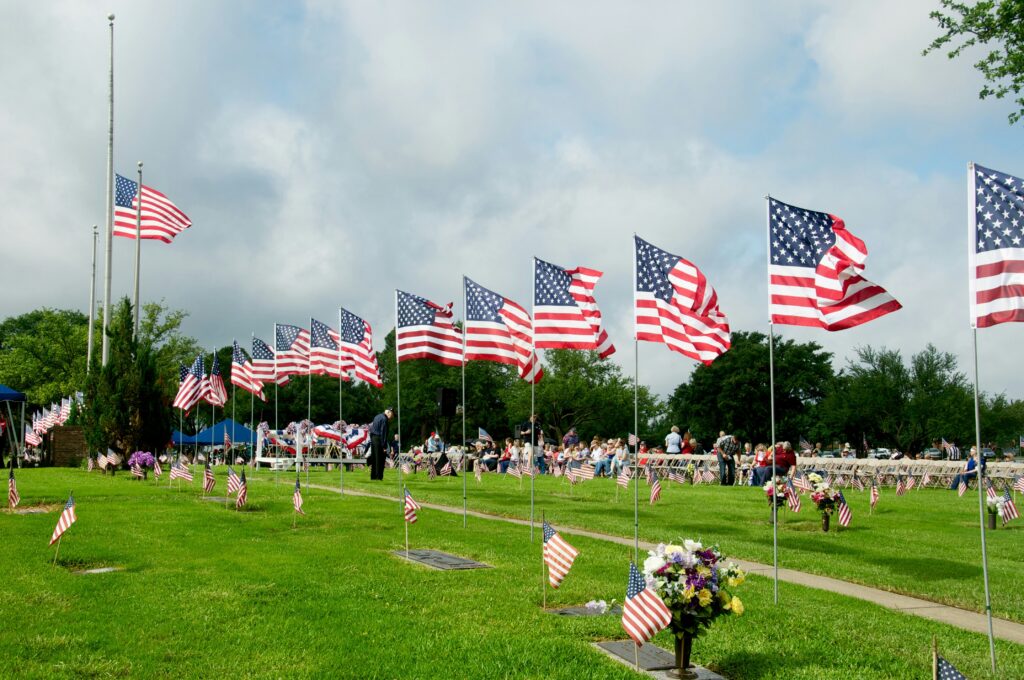
Every American veteran carries with them a powerful legacy—a story of courage, sacrifice, and service that has helped shape the identity of our nation. From the Revolutionary War to modern-day conflicts in the Middle East, U.S. veterans have consistently stepped forward in times of crisis, driven by a selfless desire to protect their country and fellow citizens. But their impact goes far beyond the battlefield. Veterans are community leaders, educators, entrepreneurs, caregivers, and public servants. Their values—discipline, responsibility, and commitment—live on through generations, shaping not just military history but American society itself. In this article, we explore the deep and lasting legacy of our veterans, why their sacrifices matter, and how institutions like the Detroit School for Digital Technology (DSDT) are helping them thrive after service. A Legacy Built on Service and Sacrifice Veterans don’t just serve—they lead. Whether deployed overseas or stationed at home, service members endure extraordinary circumstances that most civilians will never fully grasp. They miss birthdays and holidays. They stand in harm’s way, face physical and mental trauma, and witness the cost of freedom firsthand. Their sacrifices are personal, yet their legacy is shared. Every veteran’s story is part of a much larger national narrative—one built on values like honor, duty, and resilience. When we honor veterans, we acknowledge the foundation of our country’s freedom and the high cost paid to preserve it. The Ripple Effects of Military Service Veteran service doesn’t end when the uniform comes off. In fact, many veterans continue serving their communities in new ways once they return to civilian life: 1. Veterans as Leaders Veterans often take on leadership roles in business, politics, and nonprofits. Their training fosters adaptability, strategic thinking, and the ability to work under pressure—skills that translate directly into civilian success. From presidents like Dwight D. Eisenhower to entrepreneurs like FedEx founder Frederick W. Smith, veterans have used their experiences to build, lead, and innovate in every corner of American society. 2. Veterans as Mentors Many veterans take young people under their wing, mentoring them through programs like the Junior ROTC, Boy Scouts, and local sports leagues. Their influence instills respect, discipline, and a sense of purpose in the next generation. 3. Veterans as Public Servants Thousands of veterans work in public service roles—as police officers, firefighters, social workers, and teachers. Their unique backgrounds often give them a heightened sense of responsibility to their communities, especially in times of crisis. Why Their Sacrifices Matter Today Veterans’ sacrifices ripple through history and continue to shape the present. Here’s why their contributions matter now more than ever: A. Protecting Democratic Values Veterans have defended democracy at home and abroad, fighting for freedoms like speech, religion, and the right to vote. Their service protects the very core of American identity. B. Strengthening National Security Veterans possess critical insights into global threats, military strategy, and national defense. Many continue working in intelligence, cybersecurity, and emergency preparedness after leaving active duty. C. Promoting Unity in a Divided World Amid political division, veterans often serve as reminders of the shared values that unite us—courage, duty, and love for country. Their stories offer a path back to national cohesion and mutual respect. D. Contributing to Economic Growth Veterans contribute to the economy as small business owners, skilled tradespeople, engineers, and healthcare workers. Their military-acquired skills help close labor shortages and enrich industries across the country. Real Stories: The Enduring Impact of U.S. Veterans 1. Tammy Duckworth – From Combat to Congress An Iraq War veteran and former helicopter pilot, Senator Tammy Duckworth lost both legs in combat. After her recovery, she dedicated her life to advocating for veterans’ rights and disability access. Her story embodies resilience and the determination to continue serving. 2. Travis Mills – A Living Example of Courage Army Staff Sergeant Travis Mills survived an IED explosion in Afghanistan, becoming one of the few quadruple amputees from the war. He later founded the Travis Mills Foundation, which supports injured veterans and their families, proving that life after injury can still be full of purpose. 3. Montel Williams – Veteran, Advocate, Media Personality Before becoming a television host, Montel Williams served in both the Marine Corps and the Navy. He’s since become a vocal advocate for veterans, using his platform to push for better access to healthcare, mental health resources, and education. Challenges Veterans Face After Service While their impact is profound, veterans often face steep challenges after leaving the military: These obstacles make it critical for institutions and communities to actively support returning service members—not just with words, but with meaningful resources. How Education Supports Veterans’ Legacies One of the most powerful tools to honor veterans is to empower them with access to education. Learning new skills opens doors to career paths that align with their service values and leadership experience. The Detroit School for Digital Technology (DSDT) stands at the forefront of this mission. As a military-friendly institution, DSDT offers programs designed to support veterans in transitioning to rewarding civilian careers in high-demand fields like: DSDT understands the unique needs of veterans, offering flexible schedules, hands-on training, and staff who are knowledgeable about VA and military education benefits. Veterans can learn more about these offerings by visiting the DSDT Military Benefits page. Ready to take the next step? Veterans and their families can start their journey toward a new chapter by applying online here. Building a Future That Reflects Veterans’ Contributions As a nation, we must ensure that veterans’ sacrifices are not only honored, but reflected in how we treat and support them after service. This includes: Their legacy is not just found in memorials or military ceremonies—it’s woven into the very fabric of our society. By investing in veterans’ futures, we invest in the strength and values of our country. What You Can Do to Support Veterans Whether you’re a business owner, educator, student, or community member, there are countless ways to support and amplify the legacy of veterans: Conclusion: A Legacy That Lives On The legacy of U.S.
Top Online Military Schools for Busy Military Families
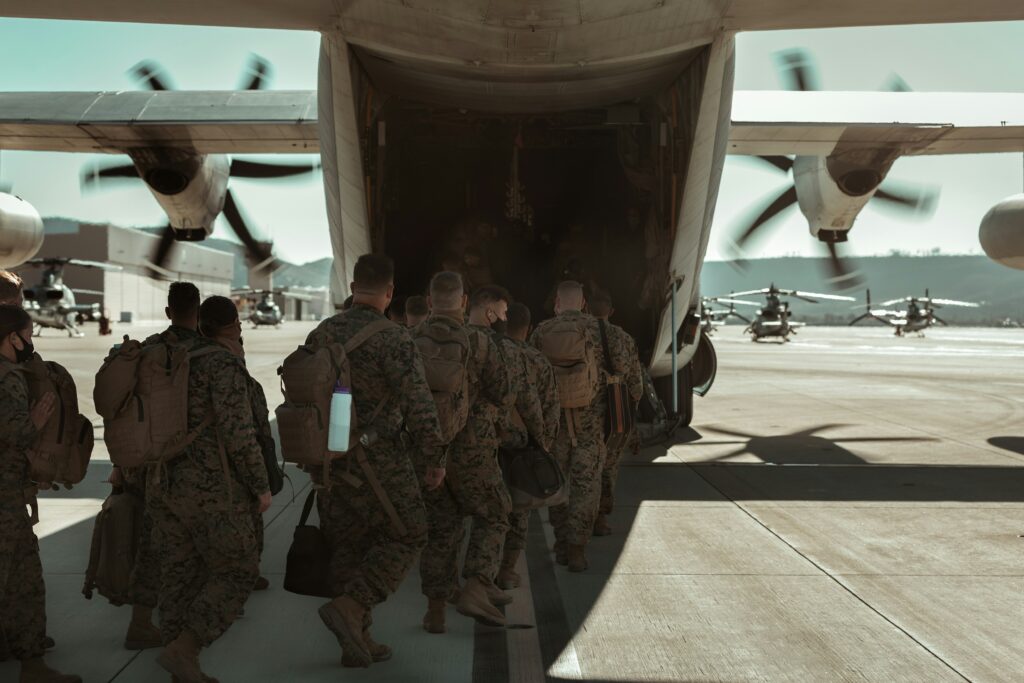
Military families often face unique challenges, including frequent relocations, unpredictable schedules, and the need for flexible educational options. Online military-friendly schools have emerged as a vital solution, offering programs that cater to the dynamic lifestyles of service members and their dependents. This article highlights the top online military schools in 2025, emphasizing their commitment to providing quality education with the flexibility and support that military families require. 1. DSDT College Detroit School for Digital Technology (DSDT) stands out as a premier institution for military families seeking online education. DSDT offers a range of programs designed to accommodate the unique needs of active-duty service members, veterans, and their dependents. Contact Us. Military Benefits DSDT is committed to supporting military students through various benefits: Programs Offered DSDT provides a variety of programs in high-demand fields, including: These programs are designed to equip students with practical skills that are directly applicable in the workforce. Application Process Prospective students can easily apply to DSDT through their online application portal: Apply to DSDT. The admissions team is available to assist applicants throughout the process, ensuring a smooth transition into their chosen program. 2. American Military University (AMU) American Military University (AMU) is renowned for its dedication to serving military students. Offering over 200 online degree and certificate programs, AMU provides flexible learning options tailored to the needs of service members and their families. Military Benefits Programs Offered AMU’s programs span various disciplines, such as: These programs are designed to align with the career goals of military personnel and veterans. 3. University of Maryland Global Campus (UMGC) University of Maryland Global Campus (UMGC) has a longstanding history of serving military students worldwide. With a focus on flexibility and accessibility, UMGC offers online programs that accommodate the unique schedules of military families. Military Benefits Programs Offered UMGC offers a wide range of programs, including: These programs are designed to provide practical skills applicable in various career paths. 4. Purdue University Global Purdue University Global is a public, nonprofit institution that offers personalized online education tailored to working adults, including military personnel. The university’s flexible learning options make it an excellent choice for military families. Military Benefits Programs Offered Purdue Global offers a variety of programs, such as: These programs are designed to meet the evolving needs of the workforce. 5. Western Governors University (WGU) Western Governors University (WGU) is a nonprofit, online university that offers competency-based education, allowing students to progress through courses at their own pace. This model is particularly beneficial for military families with unpredictable schedules. Military Benefits Programs Offered WGU’s programs include: These programs are designed to provide students with the skills needed for career advancement. 6. The Citadel The Citadel, known for its military heritage, offers online programs through its Graduate College, catering to the needs of military personnel and their families. The institution combines rigorous academics with a commitment to leadership development. Military Benefits Programs Offered The Citadel offers programs such as: These programs are structured to provide practical knowledge and skills applicable in various professional settings. Choosing the right online military-friendly school is crucial for service members and their families seeking to advance their education while managing the demands of military life. Institutions like DSDT College, AMU, UMGC, Purdue University Global, WGU, and The Citadel offer programs that combine flexibility, support, and quality education tailored to the unique needs of military families. By leveraging the benefits and resources provided by these schools, military students can achieve their academic and career goals without compromising their service commitments.