
Exploring Detroit’s History Through Film: The Albert Kahn Sonata Premieres at Detroit Trinity International Film Festival

Detroit’s rich history, iconic architecture, and creative spirit come together in The Albert Kahn Sonata, a new three part musical and visual film celebrating the legacy of legendary architect Albert Kahn. The film combines music, filmmaking, and historic locations to showcase the beauty and significance of some of Detroit’s most recognizable landmarks. Through a unique cinematic experience, viewers are invited to explore the connection between architecture, art, and the stories behind the buildings that helped shape the city. The film was directed by DSDT Digital Marketing instructor John Mark Hanson, who used his background in digital media and storytelling to bring this creative project to life. Director John Mark Hanson with Director of Photography Noah Elliott Morrison The Albert Kahn Sonata highlights three historic Detroit landmarks designed by Albert Kahn: The Fisher Building: A Detroit architectural masterpiece known for its detailed design and cultural importance. Belle Isle Aquarium: A historic landmark that continues to represent Detroit’s connection to art, nature, and community. The Packard Plant: A powerful symbol of Detroit’s industrial history and transformation. Each location tells a different story about Detroit’s past and the impact these buildings continue to have on the city today. Through film and music, The Albert Kahn Sonata creates a visual journey that honors Detroit’s architectural legacy while introducing these landmarks to new audiences. https://dsdt.edu/wp-content/uploads/2026/07/albert_kahn_sonata_teaser_v2.3_v1.mp4 Storytelling plays an important role in preserving history and connecting communities. Projects like The Albert Kahn Sonata demonstrate how digital media can be used to highlight important places, share experiences, and bring new perspectives to historic landmarks. Attend the FREE Screening of The Albert Kahn Sonata The film will be screened during the Detroit Trinity International Film Festival: Thursday, July 16, 20264:00 PMDetroit Historical Museum The screening is free, but registration is required. Anyone interested in Detroit history, architecture, filmmaking, music, or creative storytelling is encouraged to attend. Reserve your free ticket:https://filmfreeway.com/TrinityInternationalFilmFestival/tickets Film Crew at the Belle Isle Aquarium
Growing With Detroit: How DSDT College Is Part of the City’s Transformation
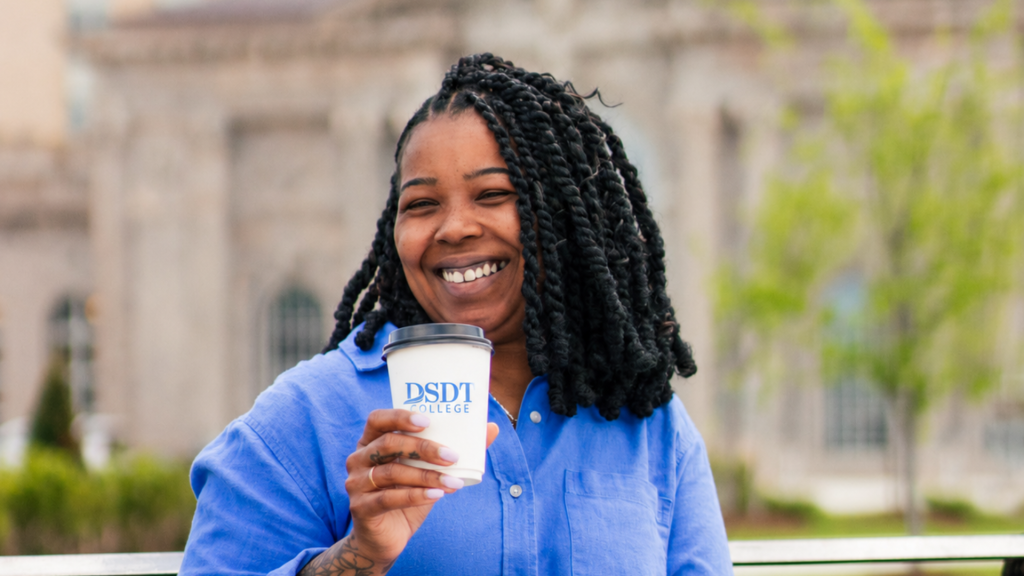
Detroit is a city built on resilience, innovation, and opportunity. From its rich history of manufacturing to its emergence as a hub for technology, entrepreneurship, and education, the city continues to reinvent itself—and DSDT College is proud to be part of that journey. Located in the heart of Detroit, DSDT College has been helping students prepare for rewarding careers since 2009. As Detroit continues to grow, so do the opportunities for our students to learn, connect, and succeed in industries that are shaping the future. A City Built on Innovation Across Detroit, exciting developments are creating new possibilities for residents, businesses, and future professionals. Historic landmarks are being reimagined, new companies are investing in the city, and organizations are working together to create stronger pathways to education and employment. One of the most inspiring examples is the continued transformation of the Michigan Central district. Once known for its historic train station, the area is now becoming a destination for innovation, entrepreneurship, and collaboration—bringing together people with big ideas to help shape Detroit’s future. It’s this same spirit of innovation that inspires the work we do every day at DSDT College. Preparing Students for Tomorrow At DSDT College, we believe education should lead directly to opportunity. That’s why our programs focus on hands-on, career-centered training in growing industries, including healthcare, information technology, cybersecurity, software development, artificial intelligence, and digital marketing. Our goal is to help students graduate with the practical skills and confidence they need to begin meaningful careers while contributing to the continued growth of Detroit and beyond. More Than a College Being located in Detroit means more than having a campus in the city—it means being part of its community. We’re proud to support the people, businesses, and organizations that make Detroit unique. Every student who enrolls at DSDT College becomes part of a larger story of growth, resilience, and transformation. As Detroit continues to evolve, we’re committed to evolving alongside it. Something Exciting Is on the Horizon This is just the beginning. Behind the scenes, DSDT College is working on an exciting new partnership with Build Institute that reflects our shared commitment to empowering Detroit through education, entrepreneurship, and opportunity. While we’re not ready to share all the details just yet, we can say this: we’re excited about what’s ahead, and we can’t wait to bring you along for the journey. Stay tuned—more is coming soon. Visit DSDT College If you’re thinking about starting a new career or simply want to experience the energy of Detroit’s continued transformation, we’d love to welcome you to our campus. Come see how DSDT College is preparing students for the careers of tomorrow while growing alongside one of America’s most inspiring comeback cities. The future of Detroit is being built today and we’re proud to be part of it.
What Does a Cybersecurity Analyst Do? A Look Into This Growing Tech Career
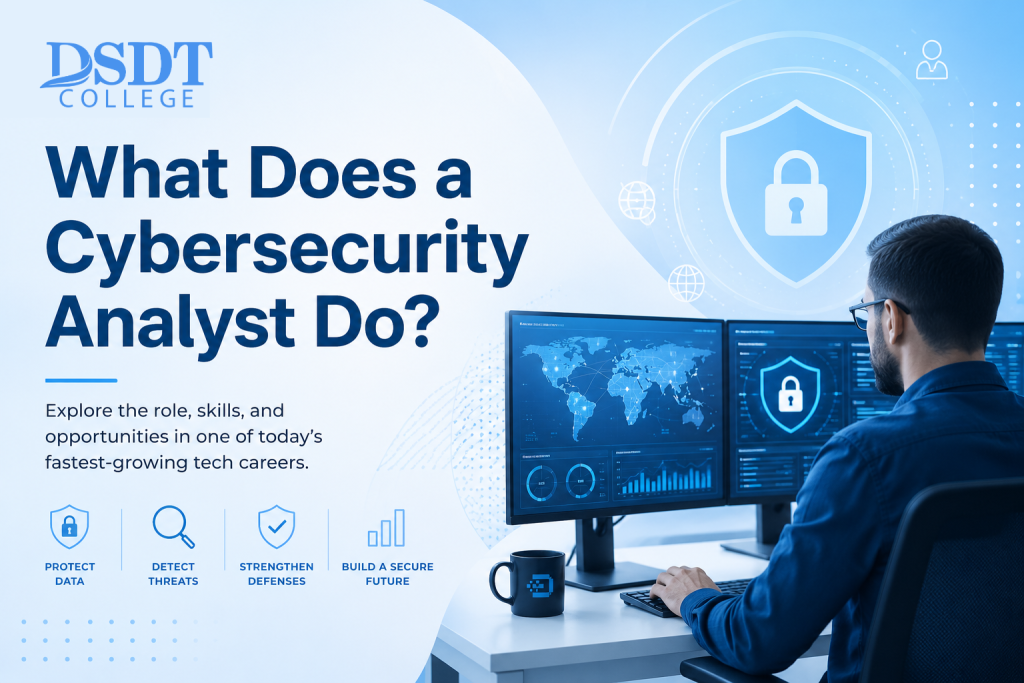
As technology continues to evolve, so do the threats targeting businesses, organizations, and individuals. From protecting sensitive data to preventing cyberattacks, cybersecurity professionals play a critical role in keeping digital systems safe. One of the most important roles in this field is the Cybersecurity Analyst. Cybersecurity analysts help organizations identify security risks, monitor networks, respond to threats, and strengthen their defenses against cybercriminals. With businesses relying more than ever on digital systems, cybersecurity has become one of the fastest-growing areas in technology. What Is a Cybersecurity Analyst? A Cybersecurity Analyst is a technology professional responsible for protecting an organization’s computer systems, networks, and data from security threats. They use security tools, analyze suspicious activity, and help prevent unauthorized access or cyberattacks. Cybersecurity analysts work behind the scenes to make sure companies can safely operate online while protecting important information such as customer data, financial records, and internal systems. What Does a Cybersecurity Analyst Do? The daily responsibilities of a cybersecurity analyst can vary depending on the organization, but common tasks include: Monitoring Security Systems Cybersecurity analysts continuously monitor networks and systems for unusual activity. They use security software to detect potential threats and investigate anything that looks suspicious. Identifying and Responding to Threats When a security incident occurs, analysts investigate what happened, determine the impact, and help contain the threat. This may involve removing malware, blocking unauthorized access, or improving security settings. Performing Security Assessments Cybersecurity analysts test systems to find weaknesses before attackers can exploit them. They may review security policies, analyze vulnerabilities, and recommend improvements. Protecting Data and Networks A major part of the job is helping organizations keep sensitive information secure. Analysts implement security measures such as access controls, encryption, and monitoring tools. Creating Security Reports Cybersecurity professionals document incidents, explain security risks, and provide recommendations to leadership teams. Skills Needed to Become a Cybersecurity Analyst A successful cybersecurity analyst needs a combination of technical knowledge and problem-solving skills. Some important skills include: Network security fundamentals Threat detection and analysis Operating systems knowledge Risk assessment Incident response Cybersecurity tools and technologies Critical thinking and troubleshooting Communication skills Because cybersecurity is constantly changing, professionals must also continue learning about new threats and security solutions. What Tools Do Cybersecurity Analysts Use? Cybersecurity analysts work with many different tools designed to protect systems and detect threats, including: Security Information and Event Management (SIEM) platforms Network monitoring tools Vulnerability scanners Firewalls Antivirus and endpoint protection software Penetration testing tools Learning how these tools work is an important part of preparing for a career in cybersecurity. Where Do Cybersecurity Analysts Work? Cybersecurity analysts are needed across many industries, including: Technology companies Healthcare organizations Financial institutions Government agencies Retail businesses Educational institutions Almost every organization that uses digital systems needs cybersecurity professionals to protect their information. Is Cybersecurity a Good Career Choice? As cyber threats continue to increase, employers are searching for skilled cybersecurity professionals who can protect their networks and data. A career as a cybersecurity analyst offers opportunities to work with advanced technology, solve complex problems, and make a real impact on an organization’s security. For individuals interested in technology, investigation, and problem-solving, cybersecurity can be a rewarding career path with opportunities for growth. How Can You Start a Career as a Cybersecurity Analyst? Building a foundation in networking, computer systems, and cybersecurity concepts is the first step toward entering this field. Hands-on training can help future professionals develop the practical skills needed to succeed. At DSDT College, students can train in areas such as networking, cybersecurity fundamentals, system administration, cloud computing, and security practices designed to prepare them for technology careers. Whether you are starting a new career or expanding your IT skills, cybersecurity training can help you take the next step toward a future in one of today’s most in-demand technology fields. Ready to explore a career in cybersecurity? Learn more about technology programs at DSDT College and start building your future today.
10 AI Skills Employers Are Looking For Right Now
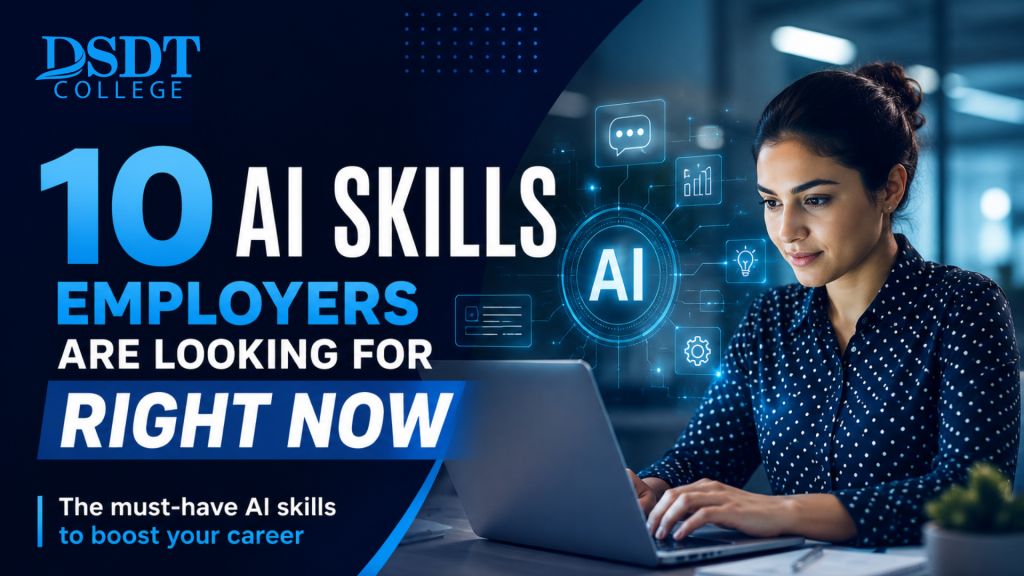
Artificial intelligence is changing the way businesses work—and the people they hire. AI is no longer just for software developers or data scientists. Today, companies in healthcare, marketing, customer service, finance, cybersecurity, manufacturing, and countless other industries are looking for employees who know how to use AI to solve problems, save time, and improve productivity. The good news? You don’t need to be an AI engineer to benefit from these changes. Learning practical AI skills can help you stand out in today’s job market and prepare for tomorrow’s careers. Recent workforce reports show that demand for AI-related skills continues to grow across industries, while employers are placing increasing value on workers who combine AI knowledge with communication, creativity, and critical thinking. Here are 10 AI skills employers are looking for right now. 1. Prompt Engineering Knowing how to communicate effectively with AI tools is becoming one of the most valuable workplace skills. Prompt engineering is the ability to write clear, detailed instructions that help AI generate accurate, useful results. Whether you’re creating marketing content, analyzing data, writing code, or brainstorming ideas, better prompts lead to better outcomes. This skill is valuable across nearly every industry. 2. AI Research and Information Gathering Modern AI tools can summarize articles, compare information, and organize research much faster than traditional search methods. Employers want professionals who know how to use AI to: Research topics efficiently Verify information Compare multiple sources Save hours of manual work The key is knowing how to fact-check AI-generated information before using it. 3. AI-Assisted Content Creation Businesses are creating more digital content than ever before. Employees who can use AI to help create: Blog articles Social media posts Email campaigns Product descriptions Marketing copy Presentations can significantly improve productivity while maintaining quality through editing and personalization. 4. Workflow Automation Companies want employees who can identify repetitive tasks and automate them. Examples include: Email responses Data entry Report generation Customer support Scheduling Document organization Automation helps businesses save time and reduce errors while allowing employees to focus on higher-value work. 5. Data Analysis AI makes it easier to analyze large amounts of information. Employers value professionals who can: Identify trends Interpret reports Create visual dashboards Make data-driven decisions You don’t need to become a data scientist—just understanding how AI can assist with data analysis is becoming increasingly important. 6. AI Ethics and Responsible Use As AI becomes more common, businesses need employees who understand how to use it responsibly. Important topics include: Privacy Security Bias Copyright Transparency Responsible decision-making Companies are placing greater emphasis on ethical AI practices as adoption continues to grow. 7. AI Collaboration Skills The future workplace isn’t humans versus AI—it’s humans working alongside AI. Successful employees know how to: Review AI-generated work Improve AI outputs Add human creativity Catch mistakes Make final decisions AI works best as a powerful assistant—not a replacement for human judgment. 8. Problem-Solving with AI Instead of asking, “Can AI do this?” employers are asking: “Can this employee use AI to solve business problems?” Whether improving customer service, reducing costs, increasing efficiency, or speeding up projects, companies value employees who think strategically about AI. 9. AI Productivity Tools Today’s professionals use AI every day to: Take notes Organize meetings Generate reports Draft emails Manage projects Brainstorm ideas Knowing how to integrate AI into your daily workflow can make you more productive and valuable to employers. 10. Adaptability and Continuous Learning Perhaps the most important AI skill isn’t technical at all. AI changes quickly. New tools appear every month, and existing platforms continue adding new features. Employers want people who are: Curious Adaptable Willing to learn Comfortable with new technology Ready to grow alongside AI These qualities will remain valuable no matter how AI evolves. Research shows that employers are increasingly pairing AI literacy with human strengths such as communication, judgment, creativity, and leadership. Why AI Skills Matter Learning AI isn’t about replacing your current skills—it’s about enhancing them. Whether you’re interested in digital marketing, information technology, healthcare, software development, business, or entrepreneurship, AI can help you work smarter, solve problems faster, and stay competitive in today’s workforce. Organizations are looking for professionals who understand how to combine technical knowledge with creativity, communication, and critical thinking. Those who develop these skills now will be well-positioned for the careers of tomorrow. Start Building Your AI Skills at DSDT College At DSDT College, students gain practical, career-focused skills designed for today’s evolving workforce. Through hands-on learning and industry-relevant training, you’ll build the confidence to work with emerging technologies and prepare for opportunities in today’s AI-powered job market. Whether you’re beginning a new career or expanding your existing skills, now is the perfect time to invest in your future. Ready to take the next step? Visit https://dsdt.edu to explore our programs and start building the skills employers are looking for today.
What Does an AI Prompt Specialist Do? A Look Into This Emerging Career
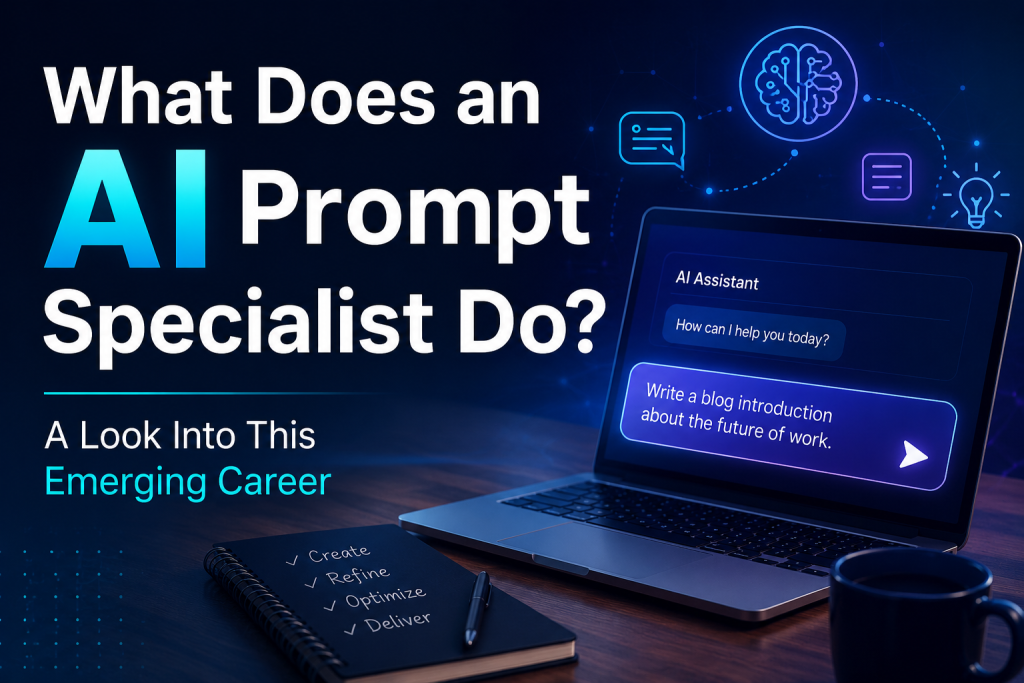
Artificial intelligence is transforming the way businesses work, creating exciting new career opportunities that didn’t exist just a few years ago. One of the fastest-growing roles is the AI Prompt Specialist—someone who knows how to communicate effectively with AI tools to produce high-quality results. If you’ve ever wondered what an AI Prompt Specialist does and why companies are hiring for this skill, here’s everything you need to know. What Is an AI Prompt Specialist? An AI Prompt Specialist creates clear, detailed instructions (called prompts) that help artificial intelligence tools generate useful and accurate responses. Rather than writing computer code, Prompt Specialists focus on asking AI the right questions, providing the right context, and refining prompts until they achieve the desired outcome. Think of it this way: AI is incredibly powerful, but it’s only as effective as the instructions it receives. A Prompt Specialist knows how to unlock that potential. What Does an AI Prompt Specialist Do Every Day? Depending on the industry, an AI Prompt Specialist may spend their day: Writing prompts for AI chatbots Creating marketing content with AI Generating images for advertisements and social media Helping customer service teams automate responses Assisting developers with AI-powered coding tools Researching information faster using AI Testing prompts to improve AI accuracy Building prompt libraries for businesses Training employees on how to use AI effectively The job combines creativity, communication, problem-solving, and technology. Industries Hiring AI Prompt Specialists AI is no longer limited to tech companies. Organizations across nearly every industry are looking for professionals who understand how to use AI effectively. Some of the industries hiring AI talent include: Marketing and advertising Healthcare Education Finance Retail Manufacturing Human Resources Customer Service Real Estate Software Development As AI adoption continues to grow, businesses are looking for employees who can improve productivity while maintaining quality. Skills You’ll Need The good news is you don’t need years of programming experience to become an AI Prompt Specialist. Some of the most valuable skills include: Strong Communication Writing clear instructions is one of the most important parts of the job. Critical Thinking Prompt Specialists evaluate AI responses and continuously improve them. Creativity The best prompts often require creative thinking and experimentation. Problem Solving Sometimes AI doesn’t provide the right answer immediately. Prompt Specialists know how to adjust prompts until they achieve better results. Understanding AI Tools Learning platforms like ChatGPT and other AI applications can help you understand how different systems respond to prompts. Why Businesses Need Prompt Specialists Many companies are adopting AI but struggle to get consistent, high-quality results. That’s where Prompt Specialists come in. They help businesses: Save time on repetitive tasks Improve content quality Increase employee productivity Automate workflows Reduce errors Generate creative ideas faster Instead of replacing employees, AI often helps teams accomplish more in less time. Is This a Good Career Choice? AI continues to reshape workplaces around the world, making prompt engineering one of the most talked-about emerging skills. As businesses integrate AI into daily operations, professionals who understand how to guide these tools effectively can bring value across many industries. Whether your interests are in marketing, healthcare, business, education, or technology, AI prompting is becoming a practical skill that complements a wide range of careers. How Can You Get Started? Learning prompt engineering starts with understanding how AI thinks and responds. A quality training program can teach you how to: Write effective prompts Generate professional content Use AI for business applications Create AI-powered workflows Build real-world projects Apply AI tools ethically and responsibly Hands-on practice is one of the best ways to build confidence and prepare for an AI-focused career. Start Your AI Journey at DSDT College At DSDT College, students can learn practical AI skills designed for today’s evolving workforce. Through hands-on training, you’ll explore prompt engineering techniques, AI productivity tools, and real-world applications that can be used across multiple industries. Whether you’re beginning a new career or looking to expand your current skill set, learning how to work with AI can help you stay competitive in an increasingly technology-driven job market. Ready to explore the future of AI? Learn more about DSDT College’s AI training programs and discover how you can build the skills employers are looking for today.
What Does a Digital Marketer Do? A Beginner’s Guide to the Career
What Is Digital Marketing? Have you ever wondered who creates the ads you see on social media, writes the blog articles that answer your questions, or designs the graphics that catch your attention online? The answer is often a digital marketer. Digital marketing is one of the fastest-growing career fields because nearly every business needs an online presence. From small local businesses to global brands, companies rely on digital marketers to help them reach customers, grow their audience, and increase sales. If you’re creative, enjoy technology, or love solving problems, a career in digital marketing could be the perfect fit. What Does a Digital Marketer Actually Do? Digital marketers wear many hats, and every day can be different. Depending on their role, they may: Create engaging social media posts Design graphics and marketing materials Write blogs, emails, and website content Run online advertising campaigns Analyze website traffic and campaign performance Take professional photos and videos Edit videos for social media and marketing campaigns Build or update websites Improve search engine rankings (SEO) Research customer trends and marketing strategies Because digital marketing combines creativity with technology, it’s an exciting career that offers plenty of variety. Skills You’ll Learn Successful digital marketers develop a wide range of valuable skills, including: Social media marketing Content creation Graphic design Copywriting Search Engine Optimization (SEO) Email marketing Video production and editing Photography Website design Online advertising Marketing analytics Branding and storytelling These skills are useful in almost every industry, making digital marketers highly valuable to employers. Where Can Digital Marketers Work? One of the biggest advantages of digital marketing is flexibility. Graduates may find opportunities with: Marketing agencies Healthcare organizations Retail companies Nonprofit organizations Technology companies Small businesses Colleges and universities Government agencies Media companies Many digital marketers also work remotely or even start their own freelance businesses. Is Digital Marketing a Good Career? For many people, yes. Businesses continue investing in digital marketing because consumers spend more time online than ever before. That means skilled professionals who can create content, manage campaigns, and grow brands remain in demand. Digital marketing also offers room to grow. You might begin as a marketing assistant and eventually move into roles like: Social Media Specialist Content Creator Digital Marketing Coordinator SEO Specialist Marketing Manager Brand Strategist Creative Director With experience, many professionals specialize in the areas they enjoy most. Who Is Digital Marketing Right For? Digital marketing can be a great career choice if you enjoy: Being creative Working with technology Learning new trends Solving problems Communicating with people Photography or videography Writing and storytelling Designing graphics You don’t have to be an expert before you start. The right training can help you build the skills employers are looking for. Start Your Digital Marketing Journey at DSDT College At DSDT College, our Digital Marketing Professional Program is designed to help students build practical, career-focused skills through hands-on learning. Students gain experience in areas such as: Social media marketing Graphic design Website design Content creation Copywriting Digital advertising Photography and video production Marketing strategy Whether you’re beginning your career or looking to learn new skills, digital marketing offers exciting opportunities in a growing industry. If you’re ready to turn your creativity into a career, DSDT College can help you take the first step. Learn more about our Digital Marketing Professional Program and discover how you can build the skills needed for today’s digital world.
How to Choose the Right Career Program for Your Future

Your Future Starts with the Right Choice Choosing a career program is one of the biggest decisions you’ll make—but it doesn’t have to be overwhelming. Whether you’re graduating high school, changing careers, or looking to build new skills, selecting the right training program can open the door to exciting opportunities. The good news? You don’t have to have your entire life planned out. You just need to choose a program that aligns with your goals, interests, and the career you want to build. Career experts consistently recommend starting with your interests, researching career opportunities, and choosing programs that provide hands-on training and clear pathways into the workforce. Here’s what to consider before making your decision. 1. Think About Your Interests and Strengths Start by asking yourself a few simple questions: What type of work sounds exciting to me? Do I enjoy working with technology, people, or solving problems? Would I rather work in an office, healthcare setting, or creative environment? What skills come naturally to me? The best career is often one that matches both your interests and your strengths. 2. Research Career Opportunities Not every career field grows at the same pace. Before enrolling, take time to research industries that are hiring and expected to continue growing. Many employers are actively looking for skilled professionals in areas such as: Healthcare Information Technology Artificial Intelligence Cybersecurity Digital Marketing Software Development Choosing a growing industry can increase your opportunities after graduation. 3. Choose Hands-On Training Reading textbooks is important—but employers also want graduates who know how to apply what they’ve learned. Look for programs that offer: Real-world projects Industry-relevant software and equipment Practical, career-focused training Experienced instructors Hands-on learning helps build confidence before entering the workforce. 4. Consider Your Schedule Everyone’s life is different. Think about: Do you need day or evening classes? Are you balancing work or family responsibilities? Would online or hybrid learning fit your lifestyle? Finding a program that works with your schedule makes it easier to stay on track and graduate. 5. Look Beyond Graduation A quality career program should prepare you for more than just earning a certificate or diploma. Ask questions like: What careers can graduates pursue? Does the program prepare students for industry certifications? Is career services or job placement assistance available? What skills will employers expect? The goal is to graduate ready to begin your career with confidence. Career-Focused Programs at DSDT College At DSDT College, students receive practical, career-focused education designed to prepare them for today’s workforce. Programs include: Artificial Intelligence Information Technology Cybersecurity Digital Marketing MRI Technology Medical Assistant Computer Programming Each program is designed to help students develop real-world skills that employers value. Invest in Your Future There is no “perfect” career path for everyone—but there is a path that’s right for you. Take time to explore your options, ask questions, and choose a program that matches your goals. The skills you build today can create opportunities for years to come. At DSDT College, we’re committed to helping students gain the knowledge, confidence, and hands-on experience needed to launch successful careers. Ready to take the next step? Explore our career-focused programs and discover where your future can begin.
Top 5 In-Demand Careers You Can Start Training For in 2026
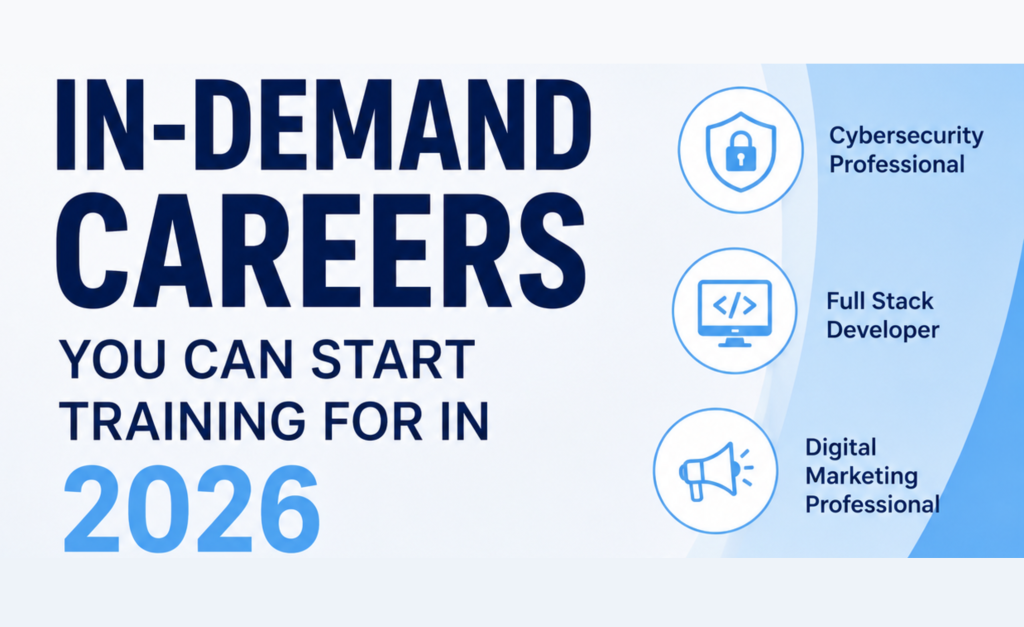
Build Skills for the Future With Career Focused Training The job market is changing faster than ever. New technology, advancements in healthcare, and the growth of digital industries are creating new opportunities for people looking to start or change careers. In 2026, employers are looking for skilled professionals who can adapt, solve problems, and bring real-world skills to the workplace. The good news? Many high-demand careers can be started with focused training programs designed to prepare you for today’s workforce. Here are five in-demand career paths you can start training for in 2026. 1. Artificial Intelligence (AI) Specialist Artificial intelligence is transforming industries across the world — from healthcare and business to technology and education. Companies are looking for professionals who understand how to use AI tools, create effective prompts, and improve workplace efficiency. AI-focused careers are growing because businesses need people who can work alongside new technologies and help organizations use AI effectively. Training in areas like AI tools, prompt engineering, automation, and emerging technologies can help you prepare for opportunities in this growing field. 2. Cybersecurity Professional As businesses continue moving online, protecting digital information has become more important than ever. Cybersecurity professionals help defend organizations against cyber threats, data breaches, and security risks. A career in cybersecurity can involve areas such as: Network security Threat detection Security analysis System protection Risk management With technology becoming a bigger part of everyday life, cybersecurity skills continue to be highly valuable across many industries. 3. Full Stack Developer Websites and applications power many of the services people use every day. Full stack developers build and maintain the front-end and back-end systems behind digital platforms. A full stack development career can include learning skills such as: Programming languages Website development Database management Application building Software tools Businesses of all sizes need developers who can help create and improve digital experiences. 4. Digital Marketing Professional Every business needs a digital presence — and that means skilled digital marketers are in demand. Digital marketing professionals help companies connect with customers through online platforms, including: Social media marketing Content creation Search engine optimization (SEO) Digital advertising Branding strategies As more businesses compete online, digital marketing skills can open opportunities in many industries. 5. Healthcare Professional Healthcare continues to be one of the most essential career fields. As the demand for healthcare services grows, employers need trained professionals who can support patients and medical teams. Career opportunities in healthcare can include areas such as medical assisting, medical technology, and other healthcare support roles. Healthcare careers offer the chance to make a difference while building valuable professional skills. Start Preparing for Your Future in 2026 The best career opportunities often start with learning the right skills. Whether you are interested in technology, healthcare, or digital industries, career-focused training can help you take the next step toward your goals. At DSDT College, students can develop practical skills designed to prepare them for today’s changing workforce. Your future career starts with the skills you build today. Learn more about DSDT College programs and start your journey today.
How Social Media Skills Can Turn Into a Career in Digital Marketing

Social media is more than just a way to connect with friends, share photos, or follow trends. Today, social media has become one of the most powerful tools businesses use to reach customers, build their brands, and grow online. What many people don’t realize is that the skills they are already developing on platforms like Instagram, TikTok, Facebook, LinkedIn, and X can become the foundation for a rewarding career in digital marketing. Social Media Skills Are Valuable in Today’s Job Market Businesses need professionals who understand how to create content, communicate with audiences, and use online platforms effectively. A digital marketer helps companies increase visibility, attract customers, and build relationships through digital channels. Skills like creating engaging posts, understanding trends, writing captions, editing videos, analyzing performance, and communicating with online communities are all important parts of digital marketing. What starts as a personal interest in social media can develop into professional skills that employers are looking for. Turning Creativity Into a Career One of the biggest advantages of digital marketing is the combination of creativity and technology. Digital marketers use creative ideas to develop campaigns, create content, design graphics, and tell brand stories. Someone who enjoys making videos, designing posts, taking photos, writing, or experimenting with online trends may already have skills that connect directly to careers in digital marketing. The difference between using social media casually and using it professionally is learning how to create content with a purpose. What Do Digital Marketers Actually Do? Digital marketing professionals help businesses grow online through different strategies, including: Social media management Content creation Search engine optimization (SEO) Email marketing Online advertising Website content Analytics and reporting Brand development A digital marketer’s job is not just posting online. It involves understanding audiences, creating strategies, and using data to improve results. Learning the Tools Behind Digital Marketing Successful digital marketers combine creativity with technical skills. They learn how to use tools for graphic design, content scheduling, website management, advertising platforms, and analytics. Artificial intelligence is also changing the industry by helping marketers create content faster, analyze information, and improve campaigns. Learning how to use modern technology can help future marketers stay competitive in the workforce. Start Building Skills for the Future A career in digital marketing can open opportunities across many industries, including healthcare, technology, entertainment, education, and business. Every organization needs professionals who can help them connect with people online. If you already enjoy social media, creating content, or understanding online trends, those interests can become real career skills with the right training and experience. At DSDT College, students can develop hands-on skills in digital marketing, content creation, graphic design, social media strategy, and other tools needed for today’s digital workforce. Your time spent creating, sharing, and exploring online platforms could be the first step toward a career in digital marketing.
How AI Is Changing the Workplace: Skills Employers Are Looking For in 2026
The workplace is changing faster than ever. Artificial Intelligence (AI) is transforming how businesses operate, how employees complete tasks, and what skills employers are looking for when hiring. As AI tools become part of everyday work, professionals who understand how to use technology effectively will have a major advantage. AI Is Becoming Part of Every Industry From healthcare and marketing to information technology and business, AI is helping organizations improve efficiency, analyze data, automate tasks, and create better experiences for customers and employees. AI is not just about robots or advanced technology — it’s becoming a valuable tool that professionals in many careers use every day. Skills Employers Are Looking For in 2026 1. AI & Technology Skills Employers are looking for people who understand how to work with modern technology. Skills like AI tools, automation, data analysis, and digital platforms are becoming valuable across many industries. Learning how to use AI responsibly can help professionals improve productivity and solve problems faster. 2. Digital Communication & Marketing Skills Businesses continue to rely on digital platforms to connect with customers. Professionals who understand social media, content creation, online advertising, and analytics can help companies grow in a competitive digital world. 3. Problem-Solving & Adaptability Technology continues to evolve, and employers value people who can learn new tools, adapt to change, and find creative solutions. The ability to continue learning is one of the most important career skills in today’s workforce. 4. Cybersecurity Awareness As businesses become more digital, protecting information is more important than ever. Companies need professionals who understand cybersecurity, networks, and safe technology practices. 5. Healthcare Technology Skills AI is also making an impact in healthcare by helping improve patient care, medical processes, and administrative tasks. Healthcare professionals with technology skills will continue to be valuable in the future. Prepare for the Future With Career-Focused Training The future workplace will belong to professionals who combine industry knowledge with technology skills. Whether you are interested in AI, IT, digital marketing, programming, or healthcare, building the right skills can help you prepare for new opportunities. At DSDT College, students gain hands-on training designed to help them develop career-ready skills for today’s changing job market. Ready to build skills for the future? Explore DSDT College programs and start your journey toward a technology-driven career.