

Are You Looking for a Home Inspection Course or Certificate in Detroit, Michigan?

Are you ready to start a rewarding career helping homeowners, buyers, and real estate professionals make informed property decisions? If so, enrolling in a certified home inspection course in Detroit, Michigan could be the perfect next step. Whether you’re entering the workforce, switching careers, or seeking to build a small business, Detroit’s real estate market offers countless opportunities for qualified home inspectors. As the city of Detroit home inspection market continues to grow due to ongoing revitalization and real estate development, there’s no better time to get certified. In this comprehensive guide, we’ll cover what it takes to become a certified home inspector, the benefits of pursuing home inspections in Detroit MI, and how DSDT’s Home Inspector Training Program can help you build the knowledge and skills needed for success. 🏠 What Does a Home Inspector Do? A home inspector is a trained professional responsible for evaluating the condition of residential properties. During a typical home inspection, the inspector checks structural integrity, mechanical systems, and safety concerns. The goal is to provide buyers or sellers with a detailed report that supports informed real estate transactions. A Standard Home Inspection Covers: In the home inspection Detroit job market, inspectors are trusted professionals who ensure that homes meet quality and safety standards before being sold or purchased. 📍 Why Choose Detroit for Home Inspection Training? The Detroit home inspection landscape is dynamic, especially as the city undergoes widespread housing redevelopment. Many properties—ranging from historic homes to modern constructions—require expert evaluation before they are sold, rented, or renovated. Why Detroit Is the Ideal Place for Home Inspection Training: The city of Detroit home inspection sector offers meaningful, high-paying work with opportunities for both employment and entrepreneurship. 💡 Do You Need a License for Home Inspection in Michigan? Michigan does not require a license to work as a home inspector. However, most real estate professionals, insurance companies, and lenders prefer or require inspectors to have formal training and a certificate from a recognized school. This is where enrolling in a respected program—like DSDT’s Home Inspector Training Program—can help you stand out. 🎓 Benefits of Earning a Home Inspection Certificate in Detroit While Michigan may not mandate licensure, there are numerous advantages to earning a certificate. Why Certification Matters: When you complete your certificate at DSDT, you graduate prepared to tackle both old Detroit homes and newly constructed buildings. 🏫 Why DSDT is the Best Choice for Detroit Home Inspection Training At DSDT, we understand the needs of adult learners, career changers, and military-affiliated individuals. Our home inspection Detroit MI program combines real-world instruction with flexibility and support. Program Highlights: With a strong reputation in Michigan and across the Midwest, DSDT empowers you to become a confident, skilled home inspector. Ready to start? Apply today at https://dsdt.edu/apply/ 📚 What You’ll Learn in DSDT’s Home Inspector Training Program The curriculum at DSDT goes beyond theory. Students graduate with a practical understanding of how to inspect homes from foundation to rooftop. Topics Covered Include: The program is tailored to the Detroit home inspection market, giving you a regional edge in job interviews and client outreach. 🧰 Tools of the Trade During your training, you’ll also become familiar with industry-standard inspection tools: Learning how to use these tools in real-world simulations will prepare you for immediate employment or entrepreneurship. 💼 Career Opportunities After Certification Once you’ve completed your training and earned your certificate, you’ll be qualified to work as: In fact, many DSDT graduates go on to launch their own businesses offering home inspections in Detroit MI and surrounding areas like Dearborn, Southfield, and Livonia. 👥 Who Should Enroll? Our program is ideal for: You don’t need any previous experience in construction or real estate to start—just a willingness to learn and work hard. 💬 What Students Are Saying “I had no prior experience in construction, but DSDT made it easy to learn. After graduating, I started my own business offering home inspection in Detroit and nearby suburbs.” – Marissa W., Graduate “This program was exactly what I needed. The instructors understood the housing issues we see here in Detroit and taught us how to inspect safely and accurately.” – James T., Veteran “I was a stay-at-home mom for 8 years. Now I have a flexible career doing inspections on my own schedule!” – Angela R., Career Changer 🧑💻 Learning Flexibility: Online + In-Person Options DSDT understands that life can be hectic, which is why we offer: Our flexible schedule makes it easy for working adults to earn their certificate and start a new career. 📈 Income Potential The home inspection Detroit, MI market is one of the strongest in the Midwest. Here’s what you can expect in terms of pay: Additional certifications (e.g., radon, mold, lead) can further boost your income. 📋 How to Get Started You can enroll in our Detroit home inspection course in just a few simple steps: 🔁 Pair With Other Programs Some students also explore additional tech-focused programs at DSDT. For example, if you’re interested in combining inspection skills with web development for business promotion, check out our full stack developer course in Detroit. Learning how to build your own website and digital brand can give your business a competitive edge. 🏁 Final Thoughts A career in home inspection Detroit offers flexibility, high earning potential, and the opportunity to make a meaningful impact in your community. Detroit’s growing real estate market needs trained, ethical, and reliable inspectors—and DSDT is here to help you meet that demand. Whether you’re just getting started or ready to level up your career, our comprehensive program will provide the knowledge and confidence you need to succeed. Apply now and join the next generation of Detroit home inspectors.👉 https://dsdt.edu/programs/home-inspection-professional-program/ 📝 Start your application: https://dsdt.edu/apply/
What Is the Importance of Property Inspection?

When buying or selling a property, one of the most critical steps in the process is the property inspection. This comprehensive evaluation provides clarity about a property’s physical condition, helps prevent costly surprises, and facilitates more confident decision-making. Whether you’re a prospective homeowner, real estate investor, or aspiring inspector, understanding the importance of property inspection is essential. In this article, we’ll explore what property inspections entail, why they matter, how they benefit all parties involved, and how you can become a certified professional through a trusted home inspection training program like the one offered at DSDT. What Is a Property Inspection? A property inspection—commonly referred to as a home inspection—is a non-invasive visual assessment of a property’s physical structure and systems. Conducted by a licensed home inspector, the inspection aims to identify major defects, safety concerns, and potential maintenance issues in residential or commercial properties. Key components inspected often include: This process is essential in assessing a property’s condition before purchase, sale, or renovation. Why Is Property Inspection So Important? 1. For Home Buyers: Knowledge Is Power For buyers, a home inspection offers peace of mind. It reveals the true condition of a property, helping buyers avoid expensive surprises down the road. For example, an inspection might uncover hidden water damage, outdated wiring, or foundation issues—giving the buyer a chance to negotiate repairs or walk away. In a competitive real estate market like Detroit, MI, where older homes can come with hidden problems, having a trusted home inspection Detroit MI professional is invaluable. 2. For Sellers: Transparency Builds Trust Sellers who conduct a pre-listing inspection demonstrate transparency and good faith. Identifying and fixing problems before listing can prevent renegotiations or delays. It also helps price the property more accurately and reduces the risk of failed deals. A Detroit home inspection done before listing can enhance the home’s credibility, especially in neighborhoods undergoing revitalization. 3. For Real Estate Agents: Professionalism and Protection Real estate professionals rely on home inspectors to protect their clients—and their own reputation. Partnering with trained, certified inspectors ensures that buyers and sellers receive accurate, unbiased information. Agents working with skilled professionals trained through a recognized home inspection training course elevate their service and reduce liability. What Happens During a Home Inspection? A typical home inspection lasts 2–4 hours and covers hundreds of items throughout the property. Inspectors use specialized tools, cameras, and software to document conditions and generate a detailed report for the client. This report becomes a critical part of the negotiation process. Buyers may request repairs, price reductions, or seller concessions based on the findings. For example, a home inspection Detroit report might highlight asbestos insulation in an older home—prompting the buyer to negotiate remediation or explore other properties. Property Inspections and the City of Detroit The City of Detroit home inspection process is especially vital due to the age of many properties in the area. While Detroit is full of charming historical homes, it also has unique challenges such as aging infrastructure, abandoned properties, and redevelopment zones. In many cases, inspections are not only recommended—they’re required. For example, the city mandates inspections for rental properties through its compliance programs. In such cases, trained inspectors familiar with Detroit housing codes are essential. If you’re interested in becoming a part of the revitalization efforts, a career in home inspection offers meaningful work and strong job security. Career Opportunities in Home Inspection As the real estate market continues to grow, so does the demand for qualified home inspectors. This profession offers: With proper training, certification, and licensing, you can enter a career path that allows you to play a vital role in real estate transactions. By enrolling in a recognized home inspection certification training program, you’ll gain the knowledge and tools needed to conduct thorough, professional inspections in Detroit and beyond. What to Look for in a Home Inspection Training Course If you’re considering a career in home inspection, selecting the right home inspection training course is crucial. Here’s what a high-quality program should offer: One example of a leading provider is the home inspection certificate program at DSDT. This program prepares students for certification exams and a successful future in the industry. Why Choose American Home Inspector Training Programs? Whether you’re new to real estate or transitioning careers, enrolling in a professional program like American home inspector training ensures that you receive instruction aligned with national standards. These programs emphasize ethics, accuracy, and client safety. At DSDT, our program takes this a step further by incorporating Detroit-specific content and scenarios. You won’t just learn the technical aspects—you’ll also gain insight into the City of Detroit home inspection requirements, zoning regulations, and housing trends. The Value of Certification Completing a home inspection certification training program not only equips you with skills—it proves your credibility to clients, brokers, and regulators. Certification is often required for licensure, and many real estate agents only work with certified inspectors. It’s a mark of trust and a competitive advantage in a growing field. You’ll also be more likely to: A Closer Look at Home Inspection in Detroit, MI Unique Challenges and Opportunities Home inspection Detroit MI services must be tailored to the region’s diverse housing stock. From early 20th-century bungalows to post-war brick homes and newly built infill housing, Detroit homes each present unique inspection needs. Inspectors trained through a Detroit-focused home inspection training program will understand: With revitalization efforts accelerating in neighborhoods like Corktown, North End, and Brush Park, Detroit home inspectors are needed more than ever. How to Get Started: Enroll in a Home Inspection Training Program Ready to begin your journey? Follow these steps to become a certified home inspector in Detroit: Why Choose DSDT’s Home Inspection Certification Training? DSDT offers one of the most comprehensive, affordable, and accessible home inspection training courses in the Detroit area. Our program stands out due to: Most importantly, DSDT prepares you not just to pass exams, but to thrive in your new career. 📌 Ready to take the next step? Apply
What Are Some Things a Home Inspector Doesn’t Cover?

Buying a home is one of the most significant investments most people make in their lifetime. A crucial part of this process is the home inspection, performed by a certified professional who evaluates the condition of the property. Yet, despite its importance, there are limitations to what a home inspection covers. In this extensive article, we’ll explore common exclusions, explain why they’re not included, and offer guidance for homeowners, buyers, and educators in the home inspection training program, home inspection training course, and home inspection certification training spaces. We’ll also delve into specifics like city of Detroit home inspection, home inspection Detroit mi, home inspection Detroit, and Detroit home inspection. Finally, prospective inspectors and sellers will find information on American home inspector training and how to obtain a home inspection certificate through a trusted program. 1. The Scope of a Standard Home Inspection Before diving into exclusions, it’s essential to understand the scope of a typical home inspection: The goal is to identify major defects, safety issues, and maintenance concerns. But inspectors have limitations—some set by industry standards and others due to practical constraints. 2. Common Exclusions in Home Inspections a. Underground Systems 🛑 Why not included? Inspectors typically don’t dig; these systems aren’t visible and need specialized equipment or cameras. b. Hazardous Materials 🛑 Why not included? These require licensed specialists and lab analysis. c. Pest Infestations 🛑 Why not included? Usually beyond a general inspection; pest-specific or wood-destroying organism inspections are separate. d. Code Compliance and Zoning 🛑 Why not included? Inspectors report safety issues but don’t serve as code enforcement officers. e. Warranties, Service Life, and Energy Efficiency 🛑 Why not included? Inspectors note age and condition, but performance analysis often requires specialists. f. Cosmetic Conditions 🛑 Why not included? Inspection focuses on material defects affecting performance or safety. g. Systems Not in Operation 🛑 Why not included? These require specialist knowledge and equipment. h. Specialty or Technical Systems 🛑 Why not included? Often require licensed professionals with system-specific expertise. i. Future Conditions 🛑 Why not included? Inspection captures current visible conditions only. 3. Why These Limitations Exist 4. Getting Comprehensive Coverage If your inspection doesn’t include critical systems, here’s what to do: a. Specialized Inspections Hire licensed experts for: b. Review Documentation Gather permits, warranties, past inspection reports, utility bills. For example, review heating system documentation to verify service history. c. Smart Add-Ons Some inspectors can incorporate: 5. Implications for Buyers and Sellers For Buyers: For Sellers: 6. Training for Inspectors: Becoming a Trusted Professional Understanding inspection limits is vital for professionals. Rigorous education is provided through home inspection training programs, such as: For anyone aiming to become a certified home inspector—especially those targeting American home inspector training—a solid home inspection certificate is a must. The accredited home inspector training program can prepare you for licensing and real-world challenges. If you’re ready to move forward, explore how to apply here. 7. Emphasizing Training in Inspection Exclusions 8. Local Insight: City of Detroit Home Inspection In a city like Detroit — known for a mix of historic homes and newer construction — local concerns are unique: A city of detroit home inspection must adapt to these, and inspectors should be trained in how exclusions affect buyer risk. When someone looks up home inspection detroit mi, they want someone who understands local building codes, permit challenges, and storm damage potential. A home inspection detroit expert knows what’s beyond a standard inspection: underground sump pumps, potential illicit additions, asbestos in old pipes, etc. Finally, detroit home inspection services who market expertise in exclusions tend to deliver better client experiences. They often refer out: This ensures purchasers have full awareness and a stronger negotiating position. 9. Why Certification Matters There’s a world of difference between “someone with a flashlight and clipboard” and a certified, credentialed inspector who completed thorough home inspection certification training. When aspiring professionals pursue American home inspector training, combined with certification, they stand out. A certified inspector can confidently say, “Here’s what my inspection covers—and here’s what I don’t inspect.” That clarity builds trust. Graduates of a program offering a recognized home inspection certificate are well-positioned to serve Detroit and beyond. 10. Sample Case Studies Case 1: Underground Sewer Damage in Detroit Case 2: Mold Concealed Behind Drywall Case 3: Old Wiring in Historic Detroit Home 11. Checklist: What a Basic Inspection Doesn’t Cover Area Typical Exclusion Reason Underground Lines Plumbing, wiring Hidden; require specialized camera Environmental Hazards Asbestos, lead, radon, mold Licensing & lab tests needed Pest Termites, rodents Requires pest inspection/treatment Pools & Spas Code compliance, equipment Specialists required Solar/Propane Fuel storage, panels Licensed professionals Hidden Structural Defects Foundation slab voids, concealed rot Requires invasive testing Smart Systems Alarms, monitoring Tech expertise beyond scope 12. Building Value in Training Courses For instructors and training organizations, emphasizing these exclusions is a key selling point of your home inspection training course: This improves client satisfaction and helps students pass state licensing exams. 13. How to Get Your Home Inspection Certificate To rise as a professional, look for a program that: The home inspector training program at DSDT (Design, Spec, Drafting Training) delivers all this. You can apply here now. 14. Licensing and Continuing Education 15. Summary and Best Practices Inspectors should: Buyers should: Sellers should: Students & Educators in home inspection training program or home inspection certification training should: Final Thoughts Home inspection is a powerful tool—but it’s not all-encompassing. Recognizing exclusions is essential for buyers, sellers, and inspectors alike. Whether it’s underground utilities, environmental hazards, or specialized systems—knowing what’s not covered helps manage risks. If you’re aspiring to professionalism, pursue a recognized home inspection training program and earn your home inspection certificate. Take the next step toward certification and professional growth by applying here.
How to Respond to a Seller After the Home Inspection: The Complete Guide

A home inspection is a critical milestone in the home-buying process. It uncovers potential issues, creates room for negotiation, and empowers buyers to make informed decisions. But once the inspector submits the report, the next big question arises: How should you respond to the seller? Your response after the inspection can make or break the deal. From requesting repairs to asking for concessions—or even walking away—every word matters. This guide will walk you through: ✅ The best ways to respond professionally and strategically✅ Common mistakes to avoid✅ How inspectors trained in a home inspection training program can support this process✅ Specific insights for buyers navigating Detroit home inspection scenarios We’ll also show aspiring inspectors how earning a home inspection certificate through American home inspector training programs equips them to help buyers and sellers reach confident resolutions. Why Your Response After a Home Inspection Matters A home inspection is not a pass/fail test; it’s a detailed condition assessment. The inspector identifies: As the buyer, how you respond will determine whether: ✔ Repairs are made✔ The price is renegotiated✔ The deal progresses smoothly—or falls apart Well-crafted responses show that you’re informed, flexible, and focused on resolution—not conflict. Step 1: Review the Inspection Report Carefully 🔍 Take Your Time Start by carefully reading the report. A trained inspector—often certified through a home inspection certification training program—will highlight: Detroit-Specific Insight For homes in Michigan, especially older properties in Detroit, the report may note: This context is critical before approaching the seller. Step 2: Decide What You Want from the Seller You have several options after reviewing the report: 🔧 1. Request Repairs This is common when dealing with: 💵 2. Request a Price Reduction or Credit Some buyers prefer to handle repairs themselves but negotiate the price down. 🚶♂️ 3. Walk Away If the issues are extensive and the seller is unwilling to compromise, walking away may be best. Step 3: Prioritize Your Requests Avoid overwhelming the seller with minor fixes. Focus on: ✅ Safety issues✅ Structural concerns✅ Expensive repairs Trained inspectors in American home inspector training programs emphasize how to categorize findings—major, moderate, minor—to help buyers set realistic priorities. Step 4: Draft a Professional Response Here’s a sample framework: 📩 Sample Response to a Seller Dear [Seller/Seller’s Agent], Thank you for allowing us to conduct a home inspection. After reviewing the report with our inspector and agent, we’ve identified several issues that need to be addressed. We respectfully request: Alternatively, we are open to discussing a price reduction or closing credit of $X to account for these repairs. We look forward to working together for a smooth closing. Sincerely,[Buyer’s Name] Common Mistakes to Avoid ❌ Asking for Every Small Repair ❌ Using Aggressive Language Statements like “fix everything or we walk” rarely produce positive results. ❌ Overlooking Local Requirements For example, a city of Detroit home inspection may involve compliance items tied to local ordinances. Sellers might already be aware of these. Why Inspectors with Proper Training Matter in This Process A certified inspector—trained through a home inspection training course—equips buyers with clear, actionable information: If you’re considering a career in this field, earning your home inspection certificate through a recognized program prepares you for situations like these. Ready to get started? Apply here. Detroit-Specific Factors When Responding For homes in Detroit, inspectors with home inspection Detroit experience understand: 🏘️ Older Housing Stock 🌊 Water Damage Concerns Basement flooding is a frequent issue in Detroit neighborhoods. ⚡ Electrical Updates Many older Detroit homes lack grounded outlets or have obsolete panels. 🚧 City Compliance A city of Detroit home inspection often includes checks for municipal code adherence—like working smoke detectors and GFI outlets. How to Frame Requests to the Seller Issue Type Example Request Safety Hazard “Repair exposed wiring in the attic.” Major Structural “Address foundation cracks as noted.” Deferred Maintenance “Replace roof shingles showing significant wear.” Environmental Concern “Mitigate lead-based paint in windowsills.” When to Get Specialist Inspections Sometimes inspectors—especially those trained through home inspection certification training—will recommend calling in specialists for: 🛠️ Foundation or structural engineering🛠️ Mold remediation🛠️ HVAC system diagnostics🛠️ Pest control (termites, rodents) Your response can include a request for the seller to allow access for these evaluations. Negotiation Tips After the Home Inspection 🤝 Stay Objective Base your requests on facts—not emotions. 📋 Provide Documentation Attach relevant pages from the inspection report with photos. 🔄 Be Flexible Offer alternatives: For Aspiring Inspectors: Why Certification Matters A professional inspector’s ability to communicate findings clearly often depends on their training. Programs like: ✅ American home inspector training ✅ Accredited home inspection training course ✅ Comprehensive home inspection certification training …equip you to: By earning your home inspection certificate, you’ll stand out in the competitive Detroit market. 👉 Ready to start? Apply now. FAQs Q: Can I ask the seller to fix everything in the report? A: You can, but it’s rarely effective. Focus on major safety and structural issues—especially those flagged during a Detroit home inspection. Q: What if the seller refuses to make repairs? A: You can renegotiate price, ask for a credit, or—in worst-case scenarios—walk away. Q: How does Detroit’s housing stock affect inspections? A: Older homes may require lead/asbestos disclosure. Trained inspectors familiar with home inspection Detroit MI nuances are invaluable. Q: I want to become an inspector. Where do I start? A: Start with an accredited home inspection training program. DSDT’s program leads to a home inspection certificate and provides the skills needed for Michigan’s market. Final Takeaways: Responding with Confidence ✅ Stay focused on major issues to avoid overwhelming the seller.✅ Be professional and flexible in your requests.✅ Rely on a clear, actionable inspection report from a certified inspector.✅ Know Detroit’s housing quirks—they often influence responses. Whether you’re negotiating as a buyer or planning to become a professional inspector, success lies in preparation. Want to Become a Home Inspector? The journey starts with the right training. Our accredited program covers:🎯 Residential systems & safety🎯 Detroit-specific housing regulations🎯 Report writing & client communication Earn your home
What It Means When Your House Needs a City Inspection – Understanding & Preparing

1. Why Your House Might Need a City Inspection {#why-inspection} City inspections play an essential role in ensuring homes are safe, code-compliant, and fit for occupancy. If your house needs a city inspection, it typically means you’re involved in one of these common scenarios: When the city steps in, it’s not personal—it’s a checkpoint. The inspection validates that your home meets minimum standards to protect future residents and the larger neighborhood. 2. What Inspectors Look For During a City Inspection {#what-inspectors-look-for} City inspections generally follow building, electrical, and plumbing codes. Inspectors focus on: Failing major items may force a stop-work order or rental prohibition until corrected. 3. Common Reasons Homes Require Inspecting {#common-reasons} Understanding why you’re being inspected helps avoid delays. The most frequent triggers include: 4. Preparing Your House for a City Inspection {#preparations} Being proactive significantly increases the likelihood of a clean inspection: 5. After the Inspection: Possible Outcomes {#outcomes} Typically, one of three conclusions follows: Common failure areas: electrical wiring not up to code, lack of GFCI outlets, poor egress, structural concerns, unpermitted plumbing. Fixing problems quickly and paying re-inspection fees allows you to resume work or proceed with sale. 6. Why Using Certified Home Inspectors Matters {#certified-matters} While homebuyers often bring in private home inspectors, city inspectors are making sure your home is up to municipality standards. Some key benefits of working with private certified inspectors include: If you’re interested in becoming one yourself, consider exploring home inspection training programs, home inspection training courses, or home inspection certification training. These help you master local and national standards, plus safety protocols. 7. How to Become a Professional Inspector {#become-inspector} Step-by-step path: 7.1 Accredited Training Enroll in an accredited home inspection training program such as those offered online, in person, or both. Key features to look for: 7.2 Certification and Licensing Many states allow entry-level home inspectors with no license, but major cities or loan providers often require proper licensing. Requirements may include: 7.3 Ongoing Education To maintain certification, you need com‑ ed credits and renewal—especially if you want to work in urban areas subject to city regulations. Pursuing American home inspector training often includes specialized modules on ethics, report writing, and national standard updates. 7.4 Specialization You can further specialize in fields like: 8. Detroit-Specific Requirements {#detroit-requirements} 8.1 City of Detroit Home Inspection Detroit’s Department of Buildings and Safety Engineering (BSE) has unique mandates: If you’re searching for home inspection Detroit MI, home inspection Detroit, or Detroit home inspection, you’ll encounter city-licensed professionals trained in Detroit-specific codes and zoning regulations. 8.2 Specialist Inspectors City-licensed professionals offer: Some inspectors are affiliated with the city program; others are private but are familiar with Detroit’s code and inspection process. 9. Understanding Home Inspection Training {#training} 9.1 What to Expect from a Good Program A home inspection training program should comprehensively cover: Programs sometimes use combinations: 9.2 Online vs. Classroom 9.3 Certification Training Programs branded as home inspection certification training typically prepare you for state/national exams. A recognized credential boosts credibility and opens market access—especially in metro centers like Detroit. 10. Next Steps: Certification & Application {#next-steps} If you’re motivated to become a certified professional—or simply want documentation for your own benefit—start with a reputable home inspection training course. For example: If you’re ready to take action, consider enrolling in a home inspection certificate program via this reputable training provider. Once you’re ready to start, begin your journey by submitting an application to the program ➝ Apply Here. 11. Final Thoughts & Expert Insights {#conclusion} Why You Should Care Understanding city inspections matters—whether you’re buying, selling, renovating, or renting. A failed inspection can delay closings, halt construction, or lead to fines. Be Proactive Aiming for Growth? Consider American home inspector training or specialized training for Detroit’s environment. These credentials improve your service quality and market credibility—especially in areas with robust inspection enforcement. Summary Table Scenario What It Means Your Best Move Selling/Buying City mandates inspection for safety & compliance Hire local inspector, fix issues Renovation Permits triggered inspection Ensure permit obtained, final approval scheduled Renting (Detroit) Annual safety inspection for licensing Pre‑check your rental units annually Utility Setup Inspections required before water/power Make sure home is code‑ready Expert Tip from Certified Inspectors “Knowing the city code requirements inside out—and documenting everything—even permits and receipts—makes inspections smoother and faster.” Booking a pre-inspection with a certified professional can help ensure your house passes city requirements smoothly. And if you’re thinking long-term—starting a career or providing inspection services—completing a home inspection certification training program and earning your home inspection certificate is a strong foundation. Begin by applying here to take the first step toward becoming a qualified, licensed home inspector. By being informed, prepared, and working with the right professionals, you’ll turn the challenge of a city inspection into a smooth, confidence-building milestone.
What Is a Reciprocal Home Inspection License? A Complete Guide for Inspectors

If you’re a certified home inspector looking to expand your career beyond your home state, you may have heard of something called a “reciprocal home inspection license.” But what is it exactly? And how can it help you grow your business? In this comprehensive guide, we’ll break down what a reciprocal home inspection license means, how it works, and why it matters for both inspectors and home buyers. We’ll also show how proper training—like DSDT’s home inspection certificate program—can position you to take advantage of reciprocity agreements across state lines. Understanding the Basics: What Is a Reciprocal License? A reciprocal home inspection license allows a certified inspector to practice in another state without completing additional licensing requirements there. This agreement is made between two states that recognize each other’s licensing standards. For example, if you’re licensed in Michigan and move to a neighboring state with reciprocity, you may be able to transfer your license instead of starting from scratch. This is especially beneficial in areas near state borders or for inspectors planning to relocate. Why Does Reciprocity Exist? Home inspection standards vary by state. Some states require extensive training and certification, while others have minimal requirements. To simplify the process for inspectors and ensure quality across borders, certain states establish reciprocity agreements. This means inspectors who have already completed a recognized home inspection certification training program don’t need to repeat their education to work elsewhere. How Does It Work? 1. Meet Your Home State’s Requirements You must first be fully licensed and in good standing in your home state. This often includes completing a home inspection training course, passing an exam, and meeting any work experience requirements. 2. Apply for Reciprocity Submit an application to the licensing board in the new state. They will review your credentials to confirm they meet their standards. 3. Pay Applicable Fees Many states charge a fee for transferring or reciprocating a license. 4. Start Inspecting Homes Once approved, you can legally perform inspections in the new state under your transferred license. States With Reciprocity Agreements Not all states participate in reciprocity agreements for home inspectors. However, some states like Arkansas, Oklahoma, and Mississippi have mutual recognition policies. Michigan does not currently require state licensing for home inspectors, but professionals in the city of Detroit home inspection market who earn nationally recognized certifications may have an easier time transferring credentials elsewhere. That’s why completing American home inspector training, like DSDT’s home inspection training program, is such a smart investment—it prepares you for career mobility. Why Is This Important for Detroit Home Inspectors? Detroit’s housing market is unique, with a blend of historic homes and new construction. Inspectors trained here often develop strong skills that are applicable nationwide. If you’ve built a career in home inspection Detroit MI but are considering relocating, reciprocity can allow you to bring your expertise to another state without unnecessary delays. Additionally, for inspectors living near state borders, reciprocity expands your client base and revenue potential. How to Qualify for a Reciprocal License To qualify, you typically need: 📜 A valid license in your home state🎓 Proof of completing a recognized home inspection training course ✅ A clean disciplinary record📅 Continuing education credits (in some states) Programs like DSDT’s home inspection certificate give you the credentials that licensing boards respect across state lines. Benefits of a Reciprocal License 🚀 Faster Career Expansion Move to a new state or serve multiple regions without requalifying. 💵 Increased Earnings Serve clients across state borders and grow your business. 🏡 Consistent Standards Maintain your professional credibility with nationally recognized training. For Aspiring Inspectors: Why Training Matters If you’re just starting your career, selecting the right education program is critical. DSDT’s home inspection certificate covers everything you need, including: This American home inspector training program prepares you for certification exams and sets you up for success, whether in Michigan or beyond. Take the first step toward your career today: https://dsdt.edu/apply/ Common Misconceptions About Reciprocity ❌ “It’s automatic.” Not true. You must apply and meet the new state’s requirements. ❌ “Any license will transfer.” Only licenses from states with equivalent standards are eligible. That’s why completing a robust home inspection certification training is so important. ❌ “Michigan inspectors don’t qualify.” Even though Michigan doesn’t require licensing, inspectors with national certifications often meet other states’ reciprocity requirements. What If a State Doesn’t Offer Reciprocity? If your destination state doesn’t recognize your license, you may need to: 📘 Complete additional training📝 Pass their state-specific exam📅 Meet experience requirements This is where enrolling in a program like DSDT’s home inspection training program gives you an advantage. It ensures your education aligns with national standards, minimizing extra hurdles. Detroit Home Inspectors: Local Knowledge That Travels Detroit inspectors are trained to spot issues like: These skills translate well to markets nationwide, making Detroit-trained professionals highly sought after. For Home Buyers: Why Choose a Certified Inspector? If you’re buying a home in Detroit or elsewhere, selecting an inspector who has completed recognized home inspection certification training is crucial. Certified inspectors bring: ✅ Advanced technical knowledge✅ Professional ethics✅ Detailed, reliable reports Steps to Start Your Home Inspection Career Start your journey here: https://dsdt.edu/apply/ Why DSDT Is Your Best Choice for Training DSDT’s program offers: 🎓 Comprehensive education on all aspects of home inspection🖥 Flexible learning options for career changers💼 Business training for aspiring entrepreneurs🌎 Preparation for multi-state practice with nationally respected credentials Whether your goal is to serve the Detroit home inspection market or take your skills nationwide, DSDT can help you get there. Key Takeaways ✔️ A reciprocal home inspection license allows inspectors to practice in another state without retraining.✔️ Certification from a respected home inspection training program improves your chances of qualifying.✔️ Detroit-trained inspectors have skills in high demand across the U.S.✔️ Start your career with DSDT’s home inspection certificate.
5 Skills Every Successful Home Inspector Needs (And How to Develop Them)
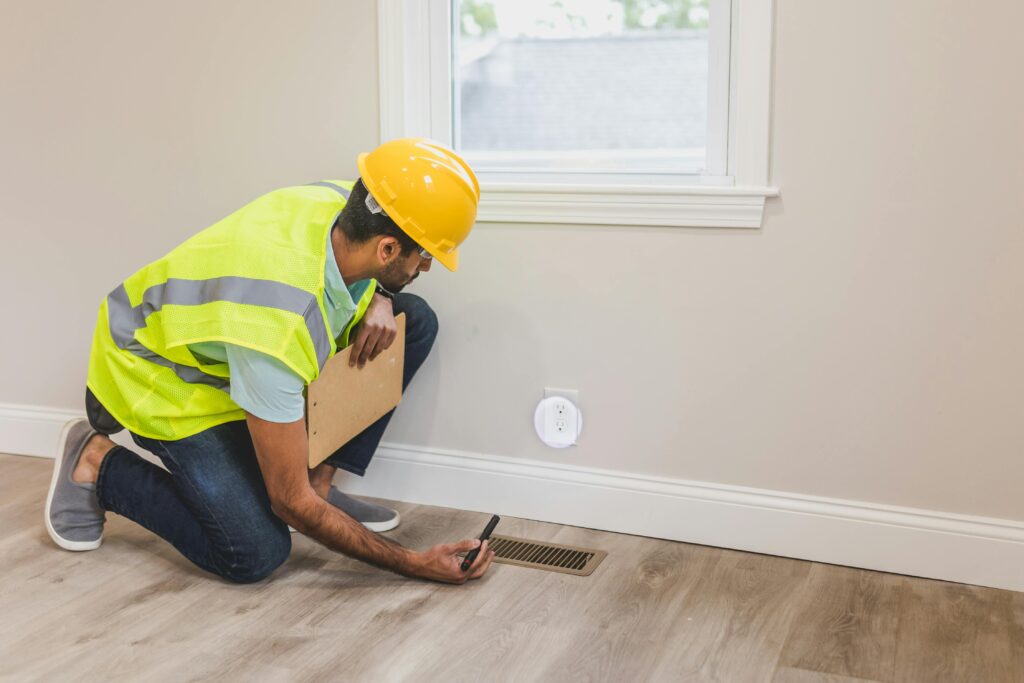
A home inspector is much more than someone who checks off a list during a property evaluation. They’re a critical player in real estate transactions, trusted by buyers, sellers, and agents to provide expert insights into one of life’s biggest investments. But what separates an average home inspector from a truly successful one? While technical training is essential, soft skills and professional attributes often make the difference. Whether you’re just starting out or considering enrollment in a home inspection training program, understanding and developing these five key skills can set you on the path to a rewarding career. 🏡 Why Skills Matter in Home Inspection A solid foundation of knowledge is vital, but skills bring your expertise to life. From interacting with clients to analyzing complex systems, the best home inspectors are both technicians and communicators. By completing a home inspection certificate program, you’ll build technical abilities. But pairing those with soft skills ensures long-term success and career growth. Let’s explore the top five skills and how to develop them. ✨ Skill #1: Attention to Detail 🔎 Why It’s Essential Home inspectors must evaluate every aspect of a property—from the foundation to the roof. Small oversights can lead to major issues for homeowners and liability for inspectors. 🛠️ How to Develop It Through professional home inspection training courses, you’ll learn to spot subtle signs of wear, damage, or potential hazards others might miss. ✨ Skill #2: Strong Communication Skills 🗣️ Why It’s Essential Clients rely on your ability to explain complex findings in a clear, non-alarming way. A good report is useless if clients can’t understand it or feel overwhelmed. 🛠️ How to Develop It Programs offering home inspection training online often include modules on client communication, helping you build confidence in explaining technical concepts. Explore our home inspection training online program here. ✨ Skill #3: Technical Knowledge of Building Systems 🏗️ Why It’s Essential Understanding how homes are built and how systems like electrical, plumbing, and HVAC operate is the backbone of home inspection. 🛠️ How to Develop It Detroit home inspection training programs often blend classroom instruction with fieldwork to help you master technical concepts and apply them in real settings. ✨ Skill #4: Critical Thinking and Problem-Solving 🤔 Why It’s Essential No two homes are alike. Inspectors must think critically to assess unique situations, evaluate risks, and recommend appropriate actions. 🛠️ How to Develop It This skill also helps in report writing, where you’ll need to distinguish between minor issues and major defects requiring urgent attention. ✨ Skill #5: Business and Marketing Acumen 💼 Why It’s Essential Many inspectors work independently, meaning success often depends on your ability to market your services, manage a business, and build a client base. 🛠️ How to Develop It At DSDT, we include training on entrepreneurship to help graduates confidently launch their own businesses. 📚 How a Home Inspection Training Program Builds These Skills A professional program is the best place to acquire and hone these essential skills. Here’s what you can expect: Program Component Skill Developed Technical Coursework Building system knowledge Hands-On Field Training Attention to detail, critical thinking Communication Workshops Client interaction skills Business Modules Marketing and entrepreneurship Exam Prep for Certification Confidence and professionalism 📍 Local Training Options: Detroit Residents of Michigan can take advantage of home inspection training Detroit programs that are tailored to state-specific needs. While Michigan does not currently require licensing, certification and training greatly increase your credibility and employability. DSDT offers flexible schedules, including home inspection training online, for those balancing work and study. 🏆 Why Choose DSDT’s Home Inspector Training Program? Our program is designed for aspiring inspectors ready to build rewarding careers. 🔹 What Sets Us Apart? ✅ Comprehensive technical and business curriculum✅ Hands-on experience with real properties✅ Preparation for national certification exams✅ Flexible online and in-person options With DSDT, you can transform your interest in real estate and construction into a high-demand career. 👉 Ready to begin? Contact us to learn how to enroll. 🚀 Career Outlook for Home Inspectors 🌟 Growing Demand The real estate market continues to thrive in cities like Detroit, creating a steady need for trained professionals. 💰 Earnings Potential Average home inspectors earn $50,000–$80,000 annually, with opportunities for higher income through specialization and business ownership. 🕓 Flexible Lifestyle Enjoy the ability to set your schedule and choose your clients. By developing the five skills outlined above, you’ll position yourself as a trusted expert in this growing field. 📌 Key Takeaways ✅ Attention to Detail ensures thorough evaluations.✅ Communication Skills build trust with clients.✅ Technical Knowledge underpins your credibility.✅ Critical Thinking solves complex inspection challenges.✅ Business Acumen helps you grow a sustainable practice. These skills aren’t just nice to have—they’re essential for long-term success in the industry. 📣 Ready to Take the First Step? Your journey to becoming a professional home inspector starts here. With DSDT’s home inspection training online and in-person programs, you can build the skills and confidence you need to thrive. 👉 Contact us today to start your training and unlock a career filled with opportunity.
Why Choose a Career in Home Inspection? Benefits and Opportunities Explained

Choosing a new career path is never easy. You want something rewarding, flexible, and in demand—something where your work truly makes a difference. For many, becoming a home inspector fits that description perfectly. Whether you’re looking for a career change, entering the workforce for the first time, or exploring opportunities in your area, this article explains why a career in home inspection might be the right choice for you. From job security to personal fulfillment, we’ll explore the benefits, opportunities, and how enrolling in a professional home inspection program can set you on the path to success. 🏡 What Does a Home Inspector Do? A home inspector is a licensed professional who evaluates the condition of residential properties. Their role is critical during real estate transactions, as they provide unbiased reports that help buyers make informed decisions. Home inspectors examine: This is a career that combines technical knowledge, problem-solving skills, and strong communication abilities. 🌟 Why Consider a Career in Home Inspection? 1️⃣ Strong Demand for Home Inspectors The U.S. housing market remains robust, with millions of homes bought and sold every year. Each transaction often requires a professional inspection, creating steady demand for trained inspectors. In cities like Detroit, the resurgence of real estate markets means more opportunities for certified professionals. Enrolling in Detroit home inspection training programs prepares you for these local job openings. 2️⃣ Attractive Income Potential According to the Bureau of Labor Statistics, home inspectors in the U.S. earn an average salary of $62,000 annually, with experienced inspectors earning over $80,000. Independent inspectors often have even higher earning potential as they build their reputations and client bases. 3️⃣ Flexible Work Schedule Home inspection offers a level of flexibility rare in other professions. You can:✅ Set your own hours✅ Take on as many (or as few) clients as you want✅ Work full-time or part-time This flexibility makes it an excellent option for parents, retirees, or anyone seeking work-life balance. 4️⃣ Low Barrier to Entry Unlike careers requiring years of college education, becoming a home inspector is more accessible. Many states allow you to start practicing within 6–12 months after completing a home inspection training program and obtaining certification. At DSDT, our home inspection program helps you achieve that goal quickly and efficiently. 5️⃣ Make a Tangible Difference Home inspectors play a vital role in protecting buyers from costly mistakes. By providing clear, unbiased assessments, you help families feel confident about one of life’s biggest investments. This sense of purpose is one of the most rewarding aspects of the job. 🎓 How to Get Started: Training and Certification To launch your career as a home inspector, the first step is enrolling in a professional home inspection training program. 📘 Why Professional Training Matters Home inspection involves more than walking through a house with a checklist. You’ll need to understand: A certified home inspection certificate program equips you with these skills, ensuring you’re ready for real-world challenges. 📍 Training Options in Detroit If you’re in Michigan, there are excellent options for home inspection training Detroit residents can take advantage of. These programs are designed to meet the unique needs of local markets while preparing you for national certification exams. 🌟 Features of a Quality Training Program When choosing a school, look for programs that offer:✅ Comprehensive curriculum covering technical and business aspects✅ Hands-on field training✅ Preparation for licensing and certification exams✅ Flexible schedules (ideal for working adults) DSDT’s home inspection program checks all these boxes and more, making it one of the top choices for aspiring inspectors. 📜 Certification and Licensing Requirements Most states require home inspectors to be licensed or certified. Your training program should prepare you for the National Home Inspector Exam (NHIE) and help you navigate state-specific licensing processes. For Detroit residents, while Michigan does not currently require licensing, earning certification boosts your credibility and marketability with clients and real estate agents. 💼 Career Paths in Home Inspection Home inspection is not a one-size-fits-all career. You can choose: 🔹 Independent Practice Start your own business and build a personal brand as a trusted local inspector. 🔹 Work with Established Firms Join an existing inspection company for steady work and mentorship opportunities. 🔹 Specialize Expand into niches like mold, radon, or energy efficiency inspections. 🔹 Teach or Mentor Experienced inspectors often teach at home inspection training courses or mentor newcomers. 📈 Growth and Job Security As long as homes are being bought and sold, there will be a need for professional home inspectors. Even in slower housing markets, the demand remains consistent because inspections are a critical part of real estate transactions. 🛠️ Tools and Skills You’ll Gain A home inspection training Detroit program equips you with: These are lifelong skills that increase your employability and success. 🧑🎓 Why Choose DSDT’s Home Inspector Training Program? At DSDT, we’re proud to offer a top-tier training experience that sets students up for success in the field. Our program features: ✅ Expert instructors with years of industry experience✅ Hands-on fieldwork opportunities✅ Preparation for certification and licensing✅ Career support for graduates entering the workforce It’s not just a class—it’s the first step toward a fulfilling career. 👉 Ready to take the leap? Contact us today to learn more about enrollment options. 🔥 Success Stories from Home Inspectors Many DSDT graduates now work as certified professionals, enjoying flexible schedules, financial independence, and the satisfaction of helping families make informed decisions. One graduate shared:“I went from working retail to owning my own home inspection business in less than a year. The training gave me the confidence and tools I needed to succeed.” 📊 Quick Overview: Benefits of a Career in Home Inspection Benefit Why It Matters High Demand Consistent work opportunities Flexible Schedule Great for work-life balance Good Income Potential Average $50k–$80k annually Fast Entry Into the Field Start in as little as 6 months Fulfilling Work Help clients make smart decisions 🚀 Take the First Step Today Your future as a professional home inspector is just a few clicks away. Don’t
What Is the Best Home Inspector Training? Your Complete Guide to Starting a Successful Career

Are you ready to launch a career as a home inspector but unsure where to start? Choosing the best home inspection training program is critical. From home inspection training online options to state-approved schools, this guide will help you understand what to look for in a program, how long it takes, and why DSDT’s Home Inspector Training Program is an excellent choice. Why Home Inspection Training Matters Becoming a licensed home inspector requires completing a home inspection training course that covers building systems, inspection standards, report writing, and field training. The right program will prepare you for both the technical and business aspects of the job. Whether you’re seeking home inspection certification training in Texas or an online course, DSDT offers flexible options for every learner. Their program is designed to meet both state and national licensing requirements. What Makes the Best Home Inspection Training Programs? ✅ Accreditation and Licensing A top-tier program should be accredited and meet state-specific requirements. For example, Texas home inspection training must comply with TREC (Texas Real Estate Commission) standards. ✅ Comprehensive Curriculum Look for courses that teach: DSDT’s home inspection certification training covers all these areas with hands-on practice and instructor-led sessions. ✅ Flexible Learning Options Many professionals prefer home inspection training online because it offers self-paced learning. Others prefer in-person classes for direct mentorship. DSDT combines both to give students the best of both worlds. ✅ Career Support Post-graduation support—like job placement assistance and business guidance—is a hallmark of quality programs. Comparing Home Inspection Training Schools Feature DSDT Professional Program Typical Online Courses TREC Approved (Texas) ✅ Yes ❌ Often not Field Experience Included ✅ 40 hours with licensed inspectors ❌ Usually not Hybrid Learning ✅ Online & in-person options ✅ Online only Career Support ✅ Mentorship & job readiness ❌ Limited DSDT stands out among home inspection training schools because it offers a state-approved curriculum and real-world experience. How Long Does Home Inspector Training Take? 📘 Full-Time Training At dedicated schools, students can complete training in as little as 2-3 months. 💻 Part-Time or Online Training For those balancing work and family, home inspection training online can take 4-6 months depending on your pace. 🔥 Accelerated Tracks Fast-track programs are also available but should still meet licensing requirements. Why Choose Home Inspection Training in Texas? Texas requires: DSDT provides Texas home inspection training that satisfies these requirements and prepares you for success in the field. What You’ll Learn in a Home Inspection Training Course A quality program covers: The DSDT home inspection certification training offers a comprehensive curriculum to ensure graduates are job-ready. Benefits of Home Inspection Training Online Choosing an online program means: DSDT’s hybrid model blends online convenience with hands-on fieldwork for a complete learning experience. FAQs About Home Inspector Training What’s the cost of training? Programs range from $2,500 to $6,000 depending on state requirements and course length. Do I need construction experience? No. The right program teaches you all the skills needed from scratch. Can I start my own business after certification? Yes! Graduates often launch successful inspection companies. Start Your Career with the Best Home Inspection Training If you want to join a growing industry with strong earning potential, DSDT’s Home Inspector Training Program is your gateway. It offers: Don’t wait—apply now to take the first step toward your new career. Final Thoughts Choosing the best home inspection training is crucial for your success. Whether you’re in Texas or another state, make sure your program is accredited, comprehensive, and offers field training. DSDT delivers all of this and more. Explore their home inspection certification training or apply now to begin your journey today.