Artificial intelligence (AI) is transforming the workplace at an incredible pace. From healthcare and marketing to information technology and customer service, employers are looking for candidates who know how to use AI to work smarter—not replace human creativity and problem-solving.
The good news? You don’t need to be a software engineer to benefit from AI. Learning a few practical AI skills can make you more productive, more competitive, and more valuable in almost any career.
Here are five AI skills every job seeker should focus on in 2026.
1. Prompt Writing
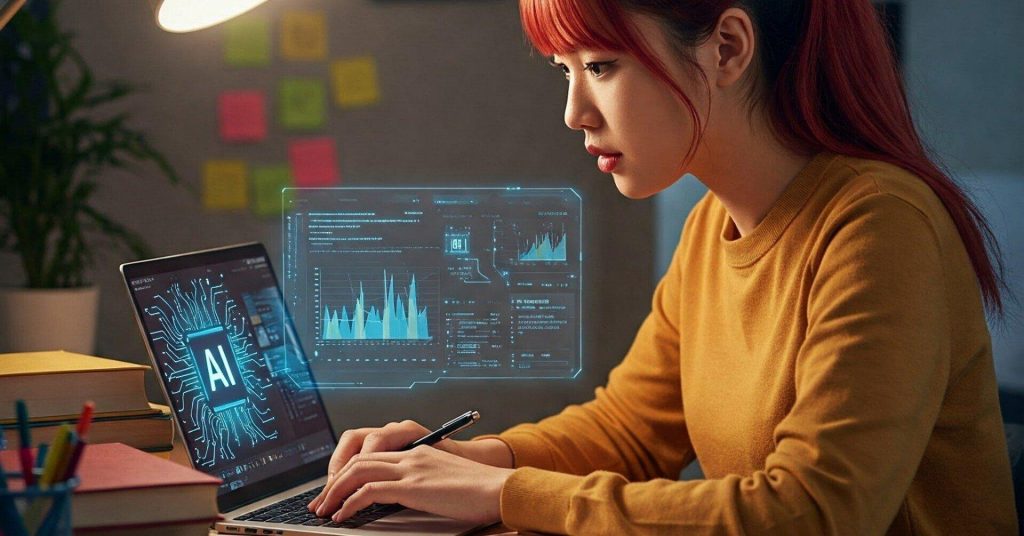
Knowing how to ask AI the right questions is quickly becoming one of the most valuable workplace skills. Whether you’re using AI to draft emails, create reports, brainstorm ideas, or solve problems, writing clear and detailed prompts leads to better results.
Employers are looking for professionals who can use AI tools effectively rather than relying on generic responses. Strong prompt writing helps save time and improve the quality of work.
2. AI-Assisted Research
Research that once took hours can now be completed much faster with AI. Professionals use AI to summarize information, compare options, identify trends, and organize data.
The key skill isn’t just using AI—it’s knowing how to verify information, evaluate sources, and think critically about the results. Human judgment remains essential.
3. Content Creation with AI
AI has become a powerful tool for creating written content, presentations, graphics, videos, and marketing materials. Businesses are increasingly seeking employees who can combine creativity with AI tools to produce professional-quality work more efficiently.
Whether you’re creating social media posts, business documents, or promotional content, understanding how AI fits into the creative process is becoming a valuable workplace advantage.
4. Data Analysis and Decision-Making
Many AI tools can quickly organize data, identify patterns, and generate insights. Employees who understand how to interpret AI-generated information can make faster, more informed decisions.
This skill is useful across industries—from tracking business performance to improving patient care or managing IT systems.
5. Responsible AI Use
As AI becomes more common, employers want people who understand its limitations. AI can make mistakes, provide outdated information, or generate biased responses.
Knowing when to fact-check AI, protect sensitive information, and use these tools ethically is becoming just as important as knowing how to use them.
Why AI Skills Matter
Learning AI isn’t about replacing human talent—it’s about enhancing it. Employers continue to value communication, creativity, leadership, and problem-solving. AI simply helps professionals complete tasks more efficiently and focus on higher-value work.
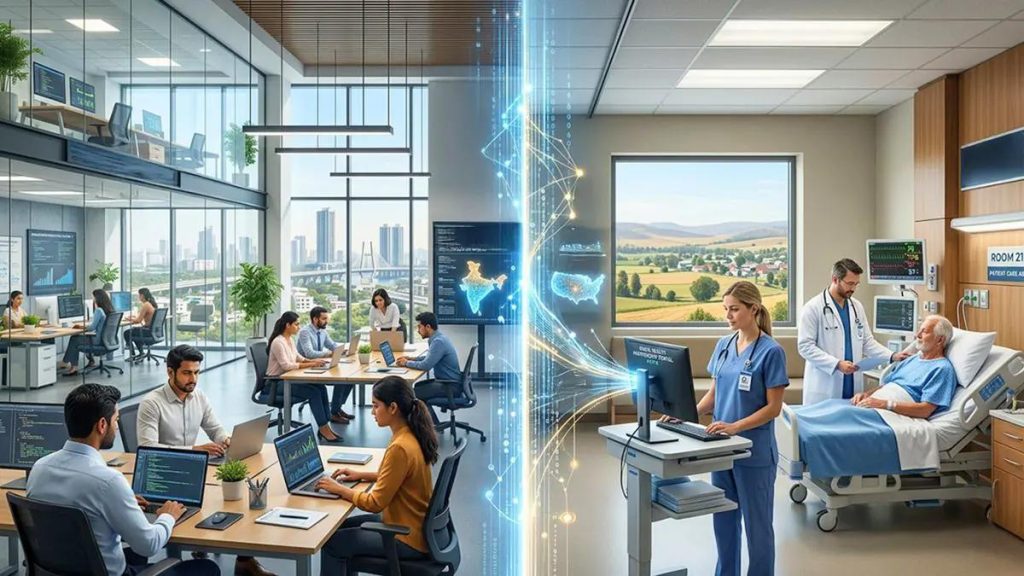
Job seekers who understand both technology and critical thinking will be well-positioned for careers across healthcare, business, marketing, and information technology.
Build Future-Ready Skills at DSDT College
At DSDT College, students gain practical, hands-on experience with the technologies shaping today’s workforce. Whether you’re interested in artificial intelligence, digital marketing, information technology, healthcare, or software development, our career-focused programs are designed to help you develop in-demand skills that employers are looking for.
As AI continues to reshape industries, investing in your education today can help prepare you for the opportunities of tomorrow.
Ready to take the next step? Explore DSDT College’s career training programs and discover how you can build the skills needed for the future of work.