
5 Ways to Know if an Online ARRT MRI Program is Right for You
Discover if an Online ARRT MRI Program fits you: primary pathways, curriculum, salary potential, flexibility & clinical training.
A – Z Guide to ARRT Certification
Master ARRT certification: Learn eligibility, exams, pathways, costs & FAQs for radiography, CT, MRI careers. Get certified now!
Break the Glass Ceiling with These Top Tech Bootcamps

Discover top women in tech bootcamp programs. Break barriers, gain skills, land high-paying jobs—start your transformation today!
Intelligence: From Military to Artificial

Discover veteran AI career courses: GI Bill funding, top programs, skills training, and high-paying jobs for military transitions.
How to Ace Your AWS Practitioner Exam Practice Without Losing Your Mind

Ace your AWS practitioner exam practice! Discover free resources, AI tools, and study techniques to pass confidently.
Software Skills That Will Make Your CompTIA A Exam a Breeze

Master CompTIA A software skills: OS mastery, troubleshooting, security, cloud & scripting for A+ exam success!
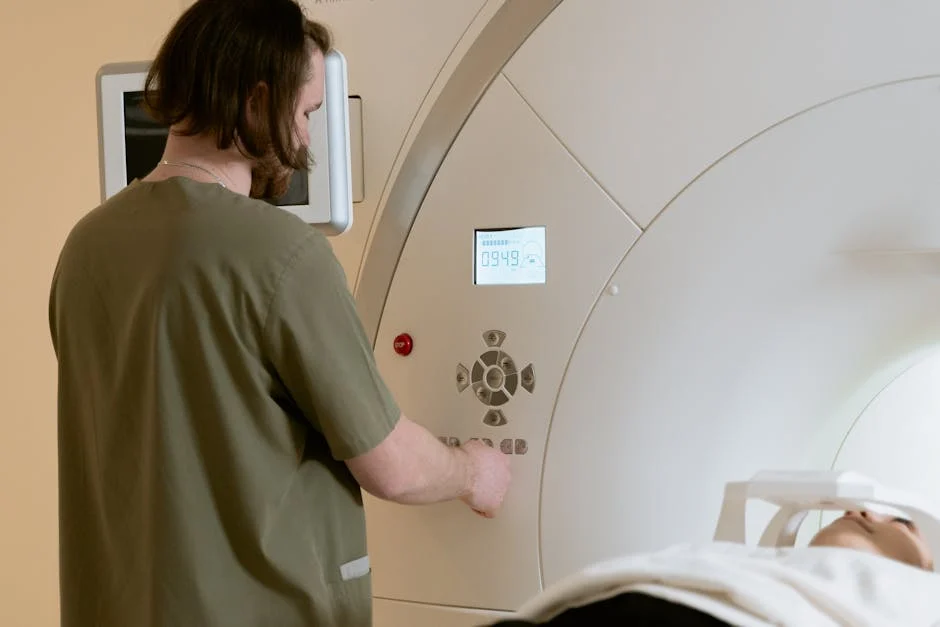
Step-by-Step Guide to Becoming an MRI Technologist
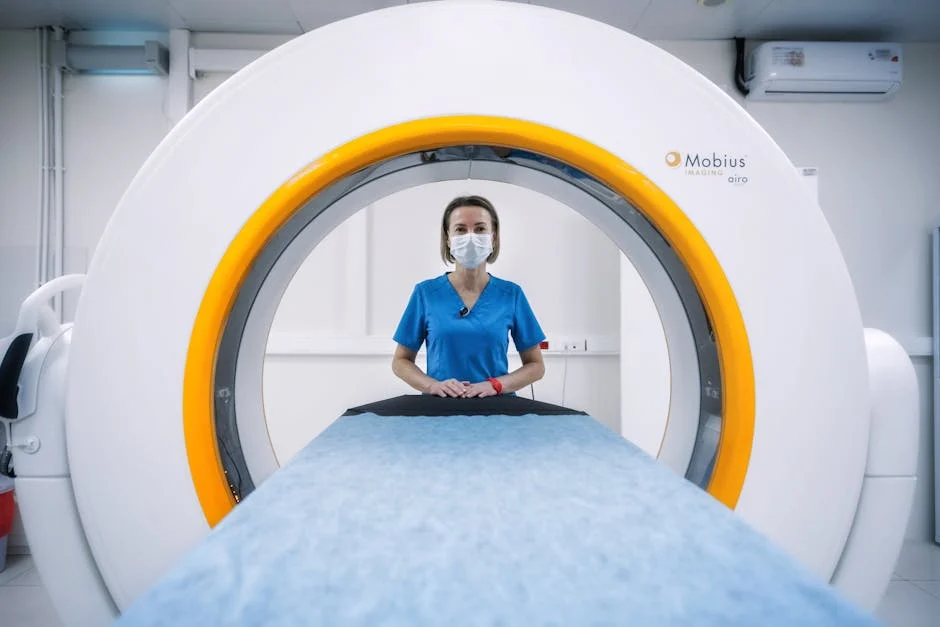
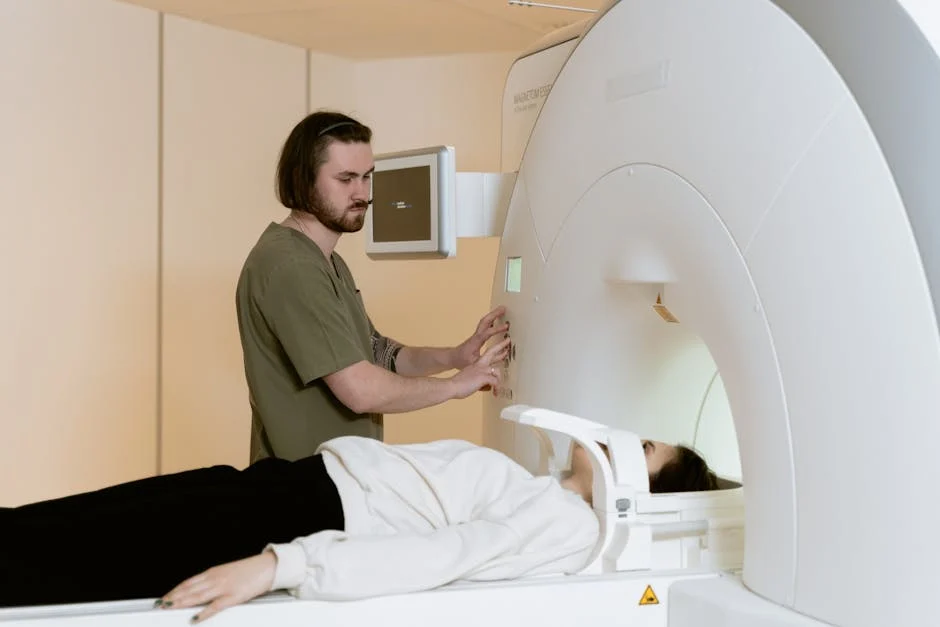
Is Becoming an MRI Technologist the Right Career Move for You? How to Become an MRI Technologist: Education, Certification, and Career Path is a question with a clear, achievable answer — and this guide walks you through every step. Here’s the short version: MRI technologists earn a median annual salary of $88,180 (May 2024, BLS), with strong job growth of 5% through 2034 — faster than average. About 15,400 job openings are projected each year over the coming decade. This is a career that offers real stability, solid pay, and the chance to make a direct impact on patient health — without medical school. What Does an MRI Technologist Do? Magnetic Resonance Imaging (MRI) technologists are the specialized professionals who operate the high-tech scanners used to create detailed images of the human body. Unlike X-rays or CT scans, MRI uses powerful magnetic fields and radio waves, making it a radiation-free way to look at soft tissues, organs, and bones. On a daily basis, we aren’t just “pushing buttons.” The role is a blend of high-level physics, patient care, and technical precision. According to the Task Inventory provided by the American Registry of Radiologic Technologists (ARRT), a technologist’s scope of practice includes: Essential Skills and Personal Traits To thrive in this career, you need more than just a love for science. Here are the traits we see in the most successful technologists: How to Become an MRI Technologist: Education, Certification, and Career Path The journey to becoming a technologist is structured but offers a few different forks in the road depending on your starting point. Whether you are a high school senior in Detroit or a veteran transitioning to civilian life in Killeen, Texas, the foundational steps remain consistent. First, you must have a high school diploma or GED. During high school, focusing on biology, physics, and algebra will give you a significant head start. Once you have your diploma, the next step is choosing an accredited educational program. At DSDT College, we emphasize the “Primary Pathway.” This means you don’t necessarily need to be an X-ray tech first. Our Associate of Applied Science in MRI Technology is designed to take you from zero experience to being exam-ready. These programs typically last between 18 to 24 months and combine classroom learning with hands-on clinical rotations. During your education, you’ll study: Navigating the How to Become an MRI Technologist: Education, Certification, and Career Path There are two main ways the ARRT allows you to become eligible for the big exam: 1. The Primary Eligibility Pathway This is the most direct route for new students. You enroll in an associate degree program (like the one we offer at DSDT) that is specifically for MRI. You complete your degree, finish your clinical hours, and sit for the MRI exam. You do not need a prior license in another imaging field. 2. The Post-Primary Eligibility Pathway This is for people who are already “R.T.s” (Radiologic Technologists). If you are already certified in Radiography, Sonography, or Nuclear Medicine, you can “cross-train” into MRI. This requires meeting Structured Education Requirements, which involves 16 hours of targeted learning and a specific number of clinical repetitions. Regardless of the path, ensuring your program has JRCERT accreditation or is recognized by the ARRT is vital. This ensures your education meets the national quality standards required for employment. Certification and Licensing Requirements Once you finish your degree, the real work begins: getting those initials after your name. Most employers require you to be “Registry Eligible” or already certified to even land an interview. The gold standard is the ARRT (American Registry of Radiologic Technologists). To earn this, you must pass a rigorous exam that covers everything from patient safety to complex pulse sequences. You can review the Examination Content Specifications to see exactly what’s on the test. There is also an alternative credentialing body called ARMRIT (American Registry of Magnetic Resonance Imaging Technologists). While ARRT is more common, ARMRIT is a specialized registry that focuses solely on MRI. Some employers accept either, but ARRT is generally the most widely recognized across all 50 states. State Licensing and Maintenance Don’t forget about your state! About 75% of states require a separate license to practice. This usually involves showing proof of your national certification and paying a fee to the state health board. Once you are certified, you have to stay sharp. The ARRT requires Continuing Education (CE) credits every two years to ensure you are up to date on the latest technology and safety protocols. If you are using the post-primary route, you’ll want to keep the Postprimary Handbook handy to track your requirements. Career Outlook: Salary and Job Growth If you’re looking for a career with a high “return on investment,” MRI technology is a top contender. The training is relatively short (2 years) compared to the earning potential. According to the Bureau of Labor Statistics data, the median annual wage for MRI technologists reached $88,180 in 2024. To put that in perspective, that is significantly higher than many other healthcare roles that require the same level of education. Where You Work Matters Your paycheck can vary depending on the setting. Here is a breakdown of median wages by work environment: Work Environment Median Annual Salary (Approx.) Outpatient Care Centers $128,000 Medical and Diagnostic Labs $90,000 Hospitals (State, Local, Private) $82,000 Physician Offices $78,000 Geographically, the market is booming. While California remains a high-pay leader with medians over $122,000, we see strong demand in our local markets like Detroit, Chicago, and Dallas. The BLS projects a 5% growth rate, which translates to about 15,400 job openings annually as older technologists retire and the population ages, requiring more diagnostic imaging. Advancement and Specialization Opportunities Getting your MRI certification is just the beginning. We’ve seen many technologists leverage their experience into even higher-paying or more flexible roles: Frequently Asked Questions How to Become an MRI Technologist: Education, Certification, and Career Path: Common Questions How long does the program take? Most associate degree
The 5 Best Tech Training Detroit Options

Detroit Has Over 114,000 Tech Jobs Open — Here’s How to Get One Tech Training Detroit programs give you a direct path into one of the fastest-growing job markets in the country. Here’s a quick look at the top training pathways available: Program Pathway Duration Cost Key Certification Cybersecurity Analyst 15 weeks No-cost options CompTIA CySA+, Splunk Core User IT Fundamentals 18 weeks No-cost options CompTIA, Microsoft Power BI MRI Technology 2 years Financial Aid/Scholarship ARRT (MRI) IT Certifications Varies Varies CompTIA A+, Network+, Security+ Software Development Varies Scholarship-based PCEP Python, Cisco Detroit is the second-largest concentration of engineering talent in the U.S., with over 114,000 open tech jobs and a tech sector contributing $24.2 billion to the local economy. Yet thousands of residents — recent high school graduates, career changers, veterans, and young adults — haven’t yet found a clear on-ramp into these roles. That’s exactly what the programs in this guide are designed to fix. Whether you want to break into cybersecurity, IT support, data analytics, or software development, Detroit has structured training paths — many of them free or scholarship-based — that can get you job-ready in as little as 15 weeks. I’m Jamie Kothe, a workforce development specialist and veteran training program developer with experience connecting people to career-focused tech education, including Tech Training Detroit pathways. My background in grant writing, strategic partnerships, and sales management has given me a front-row seat to what actually works when people are trying to break into tech careers. The Landscape of Tech Training Detroit The tech scene in the Motor City is no longer just about assembly lines; it’s about the code that runs them. Today, Tech Training Detroit encompasses a massive variety of formats designed to fit into your busy life. We are seeing a shift toward immersive, short-term models that prioritize job readiness over four-year theories. Whether you are looking for a 15-week deep dive into cybersecurity or an 18-week fundamental course, the options are flexible. Many programs now offer remote learning or hybrid formats, allowing you to study from home while still getting that crucial hands-on experience in a Security Operations Center (SOC). One of the coolest things we’ve noticed is the integration of Generative AI into modern security workflows. You aren’t just learning how to fix a computer; you’re learning how to use AI to defend networks. Entry-Level Tech Training Detroit Essentials For those of us just starting out, the “Big Three” certifications remain the gold standard: CompTIA A+, Network+, and Security+. These are the building blocks of any IT career. You’ll learn the nitty-gritty of troubleshooting, mastering different operating systems, and securing mobile devices. If you’re looking for local support to get started, you should definitely check out Detroit at Work. They offer a variety of pathways for Detroiters to gain these essential skills at no cost, often partnering with local organizations to ensure you have a seat in the classroom. Advanced Cybersecurity and SOC Analyst Pathways in Tech Training Detroit Once you have the basics down, it’s time to level up. Advanced training focuses on high-demand roles like Cybersecurity Analyst or SOC Analyst. These programs dive deep into: Specialized Career Paths: MRI Technology and Medical Imaging While many people think “computers” when they hear “tech,” some of the most advanced technology in Detroit is found in our hospitals. At DSDT College, we specialize in training the next generation of healthcare tech professionals. Our Associate of Applied Science in MRI Technology is a premier path for those who want to combine a love for technology with a passion for helping people. This program follows the ARRT Primary Pathway, which is the gold standard for becoming a registered MRI technologist. In this program, we cover everything from human anatomy and physics to the complex mechanics of diagnostic imaging. It’s a fantastic career pathway for high school graduates or career changers who want a stable, high-paying job in the medical field. We offer online coursework paired with intensive clinical training, ensuring you get the hands-on experience needed to pass your ARRT certification exams. Navigating Free and Low-Cost Program Options We know that the cost of tuition can be a huge barrier. The good news? Detroit is one of the best places in the country for scholarship-based and no-cost training. Many programs are funded through WIOA (Workforce Innovation and Opportunity Act) and Michigan Works, specifically targeting underserved populations and young adults aged 18–26. For our heroes in uniform, there are extensive resources available. You can learn about veterans’ education benefits and how to apply your GI Bill® to tech certifications. Many Detroit providers are “VET TEC” approved, meaning veterans can get their tuition covered and even receive a housing allowance while they train. Eligibility and Application Requirements While many of these programs are free, they aren’t “walk-ins.” You’ll need to be prepared for the admissions process. Most programs require: Navigating Free Tech Training Detroit Opportunities Beyond government funding, several non-profit academies in the TechTown area offer STEM initiatives and wraparound services. These services are a lifesaver—they can include help with childcare, transportation, and even mental health support. Many of these academies use “adaptive learning” powered by AI. This means the software learns how you learn and adjusts the difficulty of the material to help you succeed. You might also encounter “Tech Prep Work,” which are introductory modules you complete before the main course starts to ensure you’re ready for the environment. Career Outcomes: Salaries and Job Placement So, what’s the payoff? In the Detroit metro area, the median tech wage is over $84,000, which is about 81% higher than the median for all other occupations. Even for entry-level roles, the numbers are encouraging. Graduates from intensive cybersecurity programs often see starting salaries around $47,000. As you gain experience and earn more certifications, that number climbs quickly. Common job titles for our graduates include: Most top-tier Tech Training Detroit programs don’t just hand you a certificate and wish you luck. They provide “Job Attainment Assistance,” which includes
Upcoming COE Reaffirmation Visit

DSDT College, INC. is applying for reaffirmation of accreditation with the Commission of the Council on Occupational Education. Persons wishing to make comments should either write to the Executive Director of the Commission, Council on Occupational Education, 7840 Roswell Road, Building 300, Suite 325, Atlanta, GA 30350, or submit their comments through the Council’s website (www.council.org). Persons making comments must provide their names and addresses. Council on Occupational Education7840 Roswell Road, Building 300, Suite 325Atlanta, GA 30350Telephone: 770-396-3898 / FAX: 770-396-3790www.council.org
What Does a Cybersecurity Analyst Actually Do?

Understanding the Role of a Cybersecurity Analyst In today’s world, where nearly every business runs online, cybersecurity analysts are the unseen guardians of digital safety. They protect sensitive data, monitor systems for breaches, and ensure that networks stay secure against ever-evolving cyber threats. As one of the fastest-growing careers in the U.S., cybersecurity analysis combines technology, strategy, and constant problem-solving. It’s a role built for critical thinkers — and it’s one that DSDT College in Detroit prepares students to step into confidently. The Importance of Cybersecurity in 2025 and Beyond Cybercrime costs the global economy over $10 trillion annually — and the figure keeps rising. From ransomware attacks to data breaches, no organization is immune. In Detroit, major automotive manufacturers, healthcare systems, and financial institutions rely on cybersecurity analysts to safeguard their infrastructure. As technology advances, so does the complexity of digital threats — and the demand for skilled professionals skyrockets. The Bureau of Labor Statistics projects cybersecurity jobs to grow by 32% between 2024 and 2034, much faster than the average for all occupations. What Exactly Does a Cybersecurity Analyst Do? A cybersecurity analyst is a company’s first line of defense against hackers, malware, and digital sabotage. Their job is both preventive and reactive: they design systems that keep intruders out — and respond fast when something slips through. Core Responsibilities: In essence, a cybersecurity analyst is part detective, part engineer, and part teacher — all in one. A Day in the Life of a Cybersecurity Analyst No two days are ever the same. Analysts typically start by reviewing overnight system logs for unusual activity, updating firewalls, and running penetration tests. If a security alert appears, the day’s focus shifts to incident response mode — isolating affected systems, identifying entry points, and implementing new countermeasures. Between emergencies, analysts also plan and test new defenses, stay updated on the latest vulnerabilities, and coordinate with IT and compliance teams to ensure ongoing protection. Skills Every Cybersecurity Analyst Needs The best analysts combine technical ability with analytical thinking and communication skills. Technical Skills Soft Skills DSDT’s cybersecurity training in Detroit is built to develop both — preparing students not just for exams, but for real-world challenges. Where Cybersecurity Analysts Work Cybersecurity professionals work across nearly every sector: In Michigan, analysts are in particularly high demand in Detroit’s automotive tech and financial industries, where protecting connected vehicles and digital transactions has become mission-critical. Cybersecurity Analyst Career Path and Salary Expectations A cybersecurity analyst role is often the gateway to advanced positions such as: Salary Range With additional certifications like CompTIA Security+, CySA+, or Certified Ethical Hacker (CEH), analysts can significantly boost their earning potential and leadership opportunities. How to Become a Cybersecurity Analyst Breaking into cybersecurity may seem intimidating — but with structured, hands-on training, it’s completely achievable. Step 1: Learn the Fundamentals Start by understanding networking, operating systems, and basic security principles. Step 2: Get Certified Certifications like CompTIA Security+ and Network+ prove your technical knowledge to employers. Step 3: Gain Practical Experience At DSDT, students engage in live labs and realistic simulations that mimic actual cyber attacks — experience that sets them apart in interviews. Step 4: Build a Portfolio Document your lab projects, configurations, and incident-response exercises to show employers your skills. Step 5: Apply for Entry-Level Roles Graduates often start as security operations center (SOC) analysts or IT support specialists and advance quickly from there. Inside DSDT’s Cybersecurity Training in Detroit DSDT College offers one of Michigan’s most comprehensive cybersecurity training programs, designed to move students from beginner to job-ready professional in less than a year. Program Highlights Hands-On Learning Environment Students train with real tools used by professionals — not just simulations. DSDT’s labs replicate enterprise networks, giving learners the chance to experience threat detection and response first-hand. Why DSDT Graduates Stand Out What makes DSDT unique is its career-focused education model. Instructors are active cybersecurity professionals who bring real-world experience to the classroom. “Our students don’t just learn theory — they solve real problems,” says one DSDT instructor.“By graduation, they’ve already built the skills employers are hiring for.” Graduates also receive job-placement support, resume coaching, and access to Detroit’s growing network of cybersecurity employers. Detroit’s Growing Cybersecurity Job Market Detroit is rapidly becoming a tech and innovation hub. With investments from global automakers, fintech startups, and government agencies, the region is experiencing a surge in demand for cybersecurity expertise. According to recent data from CyberSeek, Michigan ranks among the top states for cybersecurity job openings per capita.Local companies need analysts who understand both industrial control systems (ICS) and information security, creating opportunities for DSDT graduates across industries. FAQs About Becoming a Cybersecurity Analyst Q1: Do I need a college degree to become a cybersecurity analyst?No — certifications and hands-on training are often enough to get started, especially when paired with programs like DSDT’s. Q2: Is cybersecurity stressful?It can be fast-paced, but the work is deeply rewarding. Analysts take pride in protecting people and businesses from harm. Q3: Can I work remotely?Yes, many cybersecurity roles are fully remote, allowing flexibility and work-life balance. Q4: What’s the job outlook for cybersecurity analysts?Outstanding. Demand for cybersecurity talent continues to outpace supply, meaning stable jobs and strong salaries. Launch Your Cybersecurity Career with DSDT College The world needs digital defenders — and DSDT College in Detroit is helping train the next generation of cybersecurity analysts to fill that need. Through its hands-on curriculum, expert instructors, and certification-aligned coursework, DSDT prepares you for one of the most secure, respected, and lucrative tech careers today. 👉 Explore DSDT’s Cybersecurity Programs Your journey to becoming a cybersecurity analyst starts right here in Detroit — with DSDT College.